USA11 October, 20253 min read
MIT Rejects White House Funding to Enforce Trump’s Racist Admission Policies
This article is an automated aggregation of coverage from news outlets. Our editorials offer in-depth analysis curated by the NewsCord team.
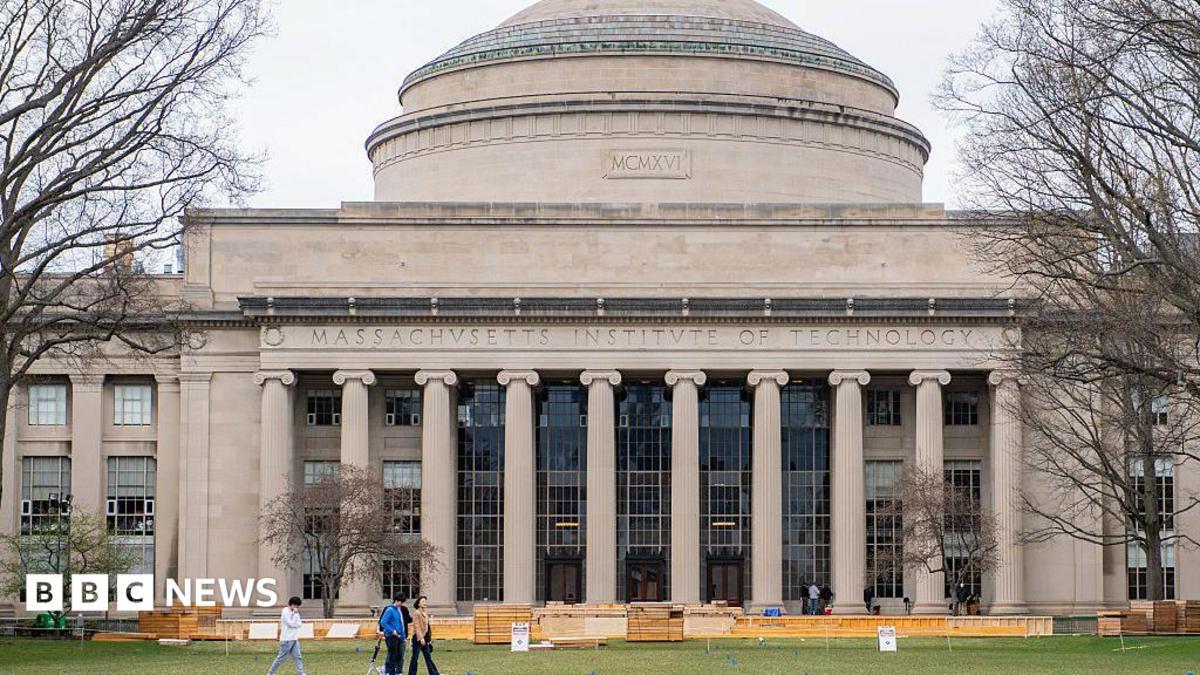
MIT is the first US university to reject Trump administration's federal funding proposal. The proposal required universities to eliminate race, gender, and ethnicity considerations in admissions.
7 outlets told this the same way.
MIT Rejects Federal Education Proposal
MIT became the first U.S. university to reject a Trump administration higher-education proposal. Various news outlets agree on this core fact but differ in their framing and details. The Guardian reports it as a formal rejection of a specific agreement called the Compact for Academic Excellence in Higher Education, which was linked to preferential federal funding.
“MIT has become the first U.S. university to formally reject a Trump administration proposal called the Compact for Academic Excellence in Higher Education, which would overhaul university policies in exchange for preferential federal funding.”
Western tabloid thesun.my and Asian news agency BSS describe it as turning down a White House offer tied to adopting President Donald Trump’s conservative agenda, including changes to admissions and campus climate. Asian outlet Dimsum Daily dates the decision to October 11, 2025, highlighting MIT’s concern that the plan would limit free expression and weaken merit-based science funding. Overall, the sources agree that MIT declined the offer but vary in terminology, emphasis, and the specifics of the policy package connected to the funding.

MIT President's Academic Freedom Response
MIT President Sally Kornbluth’s letter is portrayed as defending academic freedom, institutional independence, and merit-based science funding. Sources vary on which specific constraints they highlight in the letter. The Guardian cites proposed caps on international students, tuition freezes, strict gender definitions, and restrictions on speech that might “belittle” conservative views.
Thesun.my emphasizes requirements to stop considering gender, ethnicity, and race in admissions, to create environments supportive of conservative ideas, and to restrict units critical of conservative viewpoints. BSS echoes that Kornbluth criticized the offer for restricting freedom of expression and undermining institutional independence. El-balad underscores MIT’s commitment to diversity of thought and notes roughly 10% international enrollment as core to its mission.

University Proposal Recipients
Sources generally agree the proposal went to nine universities, but they diverge on which were named and how far responses had progressed. The Guardian says it was sent to “nine elite universities” and that others were cautious ahead of an October 20 deadline. Thesun.my lists recipients such as the University of Arizona, University of Pennsylvania, the University of Southern California, and the University of Texas.
“The proposal, sent to nine elite universities, has faced sharp criticism from higher education leaders...”
BSS names Arizona, Pennsylvania, and Brown University among those yet to respond, while el-balad expands the roster with Dartmouth, Vanderbilt, USC, and UVA. These varying lists suggest partial visibility into outreach rather than a settled, public roster shared consistently across outlets.
Political Pressure on Universities
The sources describe the episode as a challenge to academic independence amid political influence. The Guardian reports that higher education leaders view the compact as a political move to weaken university autonomy by threatening research funding. BSS places the issue within a broader campaign by Trump to pressure universities to adopt conservative policies or face the loss of federal research funds.
This campaign included previous actions against Harvard and Columbia, which resulted in mixed outcomes such as financial settlements and imposed restrictions. El-balad highlights state-level resistance, noting that Governor Gavin Newsom warned California state universities that accepting the deal could lead to funding cuts.

Thesun.my emphasizes the ideological goal of the offer, which aims to create campus environments that support conservative ideas while limiting departments critical of those views. This situation raises significant concerns about freedom of expression and governance within academic institutions.