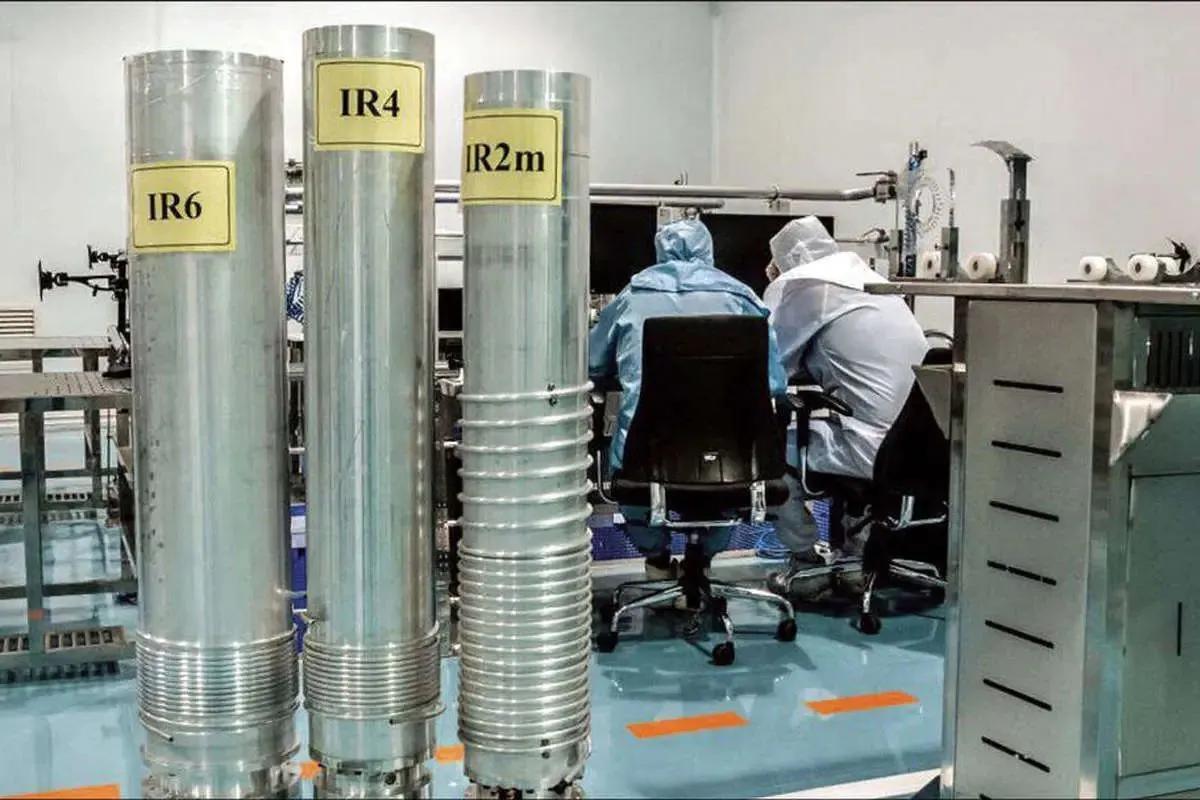
Mohajerani Says Iran’s Uranium Enrichment Is Not Possible After Nuclear Process Damage
Key Takeaways
- Iran's uranium enrichment currently not possible due to damage to its nuclear processes.
- Government spokesperson cites damage and EU-Troika draft resolution suspending enrichment.
- Official briefing notes Araqchi's points regarding the enrichment damage.
Enrichment halted, officials weigh response
Iran’s government spokesperson said enrichment is not possible after “the damage that has been done to Iran's nuclear processes,” in response to the European Troika’s draft resolution to suspend all enrichment activities.
“Breaking News Click to pause breaking news tickerpause-simpleClose Breaking News Tickerclose-prominent UAE leaves OPEC and OPEC+UAE presidential advisor criticises Gulf, Arab response to Iran attacks Click to pause breaking news tickerpause-simpleClose Breaking News Tickerclose-prominent Toggle Play The Process of Uranium Enrichment Read more Uranium starts as a rock in the ground, but through a series of chemical processes and high-speed centrifuges, it can become either a city’s power source or a weapon of mass destruction”
The spokesperson, Mohajerani, delivered the remarks in a press conference held today, 27 Aban 1404, with media representatives present, according to IRNA as cited by multiple outlets.

اعتمادآنلاین reported that “Considering the points raised by Mr. Araghchi and given the damage that has been done to Iran's nuclear processes, enrichment is currently not possible.”
عصر ایران likewise quoted Mohajerani saying “enrichment is not currently possible,” and said the matter will be examined by the Ministry of Foreign Affairs, the Atomic Energy Organization, and the Supreme National Security Council.
اقتصاد آنلاین added that Iran’s uranium enrichment “has been halted,” framing the spokesperson’s statement as a development with “significant implications for the future of the country's nuclear file.”
Across the accounts, Mohajerani said the method of action or Iran’s response would be determined by those bodies, with a conclusion “aligned with the country's national interests,” and that “If necessary, the Islamic Consultative Assembly (parliament) will also participate in the decision-making.”
European Troika draft resolution
The government spokesperson’s comments were specifically tied to Iran’s reaction to “the European Troika's draft resolution to suspend all enrichment activities in the country.”
اعتمادآنلاین described the spokesperson’s position as a response to that draft resolution and said the remarks were made while addressing “Iran's response to the European Troika's draft resolution to suspend all enrichment activities in the country.”

عصر ایران similarly stated that the press briefing was “regarding Iran's response to the European Troika's draft resolution to suspend all enrichment activities in the country,” and it repeated that the spokesperson took into account “the points raised by Mr. Araqchi” alongside “the damage that has been done to Iran's nuclear processes.”
اقتصاد آنلاین also framed the exchange as the government spokesperson commenting on Iran’s reaction to the draft resolution to suspend nuclear activities, stating that “there is currently no possibility of continuing uranium enrichment in Iran.”
In all three accounts, the spokesperson’s reasoning centered on damage to Iran’s nuclear processes and the points raised by Mr. Araqchi, rather than on a willingness to comply with the suspension request.
The outlets also reported that the spokesperson said the matter would be reviewed by Iran’s Foreign Ministry, the Atomic Energy Organization, and the Supreme National Security Council, with the Islamic Consultative Assembly joining if necessary.
Mohajerani’s decision-making process
Mohajerani said the issue would not be handled by a single office, but would be examined across multiple Iranian institutions before Iran determines its response.
“Iran's uranium enrichment has been halted”
اعتمادآنلاین reported that “The matter will be examined by the Ministry of Foreign Affairs, the Atomic Energy Organization, and the Supreme National Security Council,” and that “the method of action or Iran's response by these bodies will be determined with a conclusion aligned with the country's national interests.”
عصر ایران presented the same structure, stating that Mohajerani said the matter will be examined by “the Ministry of Foreign Affairs, the Atomic Energy Organization, and the Supreme National Security Council,” and that the method of action or Iran’s response would be determined with a conclusion “aligned with the country’s national interests.”
اقتصاد آنلاین likewise said the spokesperson stated the matter will be reviewed by the Foreign Ministry, the Atomic Energy Organization, and the Supreme National Security Council, and that the method of action or Iran’s response would be specified with a determination aligned with national interests.
In each account, Mohajerani added a conditional role for Iran’s parliament, stating that “If necessary, the Islamic Consultative Assembly (parliament) will also participate in the decision-making.”
The parallel reporting also emphasized the timing of the press conference, held “today, 27 Aban 1404,” with media in attendance.
Uranium enrichment and nuclear process framing
While the Iranian-language reports focus on the government spokesperson’s statement, Al Jazeera’s segment provides a separate explanation of what uranium enrichment entails, describing uranium “as a rock in the ground” before it is processed through “a series of chemical processes and high-speed centrifuges.”
In that Al Jazeera piece, the outlet frames uranium as something that can become either “a city’s power source or a weapon of mass destruction,” and it positions the enrichment process as a technical pathway with high-stakes end uses.
The Al Jazeera item is dated “Published On 28 Apr 202628 Apr 2026,” and it is presented as “The Process of Uranium Enrichment.”
Although it does not cite Mohajerani or the European Troika draft resolution, it supplies the conceptual background for why a claim that enrichment is “not possible” would matter to the nuclear file.
The Iranian outlets, by contrast, tie the stoppage claim directly to “damage” to “Iran's nuclear processes” and to the points raised by Mr. Araghchi/Araqchi.
اعتمادآنلاین and عصر ایران both explicitly say “enrichment is currently not possible,” while اقتصاد آنلاین adds that “Iran's uranium enrichment has stopped.”
Implications for Iran’s nuclear file
اقتصاد آنلاین explicitly characterizes the spokesperson’s statement as having “significant implications for the future of the country's nuclear file,” linking the claim that enrichment has stopped to the broader trajectory of Iran’s nuclear negotiations and posture.
“Breaking News Click to pause breaking news tickerpause-simpleClose Breaking News Tickerclose-prominent UAE leaves OPEC and OPEC+UAE presidential advisor criticises Gulf, Arab response to Iran attacks Click to pause breaking news tickerpause-simpleClose Breaking News Tickerclose-prominent Toggle Play The Process of Uranium Enrichment Read more Uranium starts as a rock in the ground, but through a series of chemical processes and high-speed centrifuges, it can become either a city’s power source or a weapon of mass destruction”
The outlet says the government spokesperson, responding to the European Troika’s draft resolution to suspend nuclear activities, stated that “given the damage inflicted on the enrichment processes and the points raised by Mr. Araqchi,” there is “currently no possibility of continuing uranium enrichment in Iran.”
اعتمادآنلاین and عصر ایران similarly report that Mohajerani said enrichment is not possible because of “the damage that has been done to Iran's nuclear processes,” and that the issue will be examined by the Foreign Ministry, the Atomic Energy Organization, and the Supreme National Security Council.
In both Iranian-language accounts, Mohajerani also said that if necessary, the Islamic Consultative Assembly would participate, and that “the necessary actions will be announced.”
The combined reporting therefore depicts a near-term sequence: a public statement that enrichment cannot proceed, followed by internal review and potential parliamentary involvement before actions are announced.
Al Jazeera’s enrichment explainer adds a conceptual layer by describing enrichment as a process that can lead to “a weapon of mass destruction,” which helps contextualize why the Iranian claim about stopping enrichment is treated as consequential.
More on Iran

Trump Says U.S.-Iran Memorandum Will Be Signed Sunday, Strait of Hormuz Reopens
10 sources compared

Donald Trump Says U.S.-Iran Deal Will Be Signed Sunday, Strait of Hormuz Reopening
16 sources compared

Trump Says U.S.-Iran Memorandum Will Be Signed Sunday as U.S. Shoots Down Iranian Drones
11 sources compared

Donald Trump Says U.S.-Iran Memorandum Will Be Signed Sunday, Strait of Hormuz To Reopen
12 sources compared