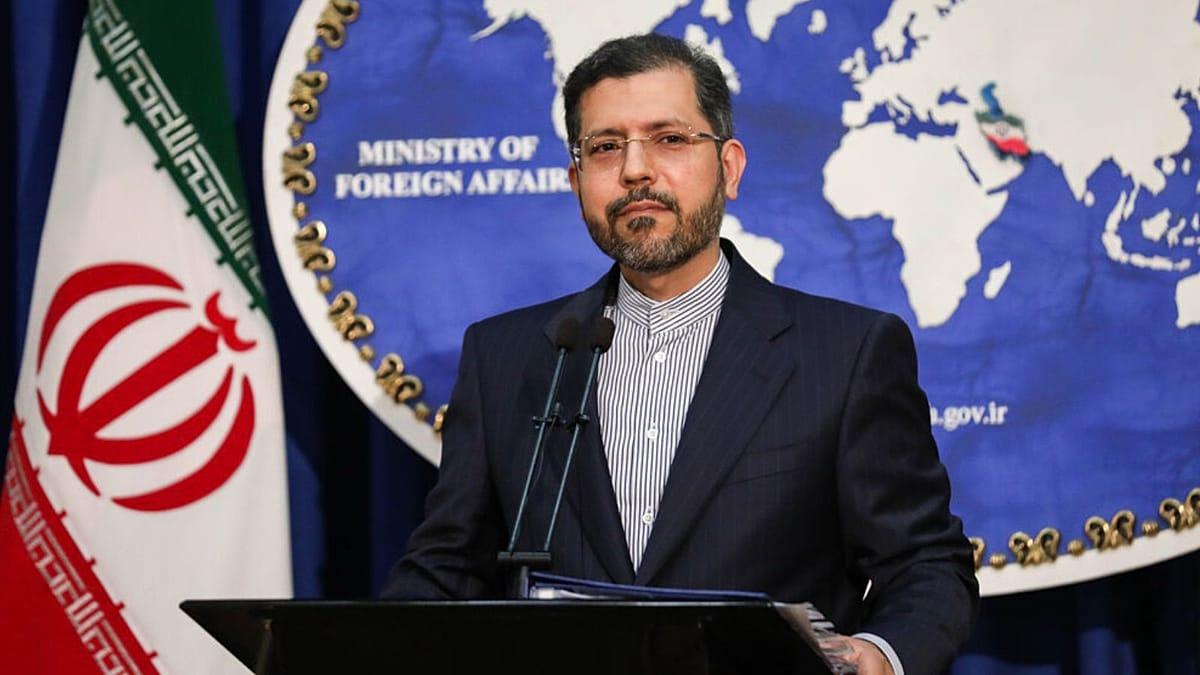
Mohammad Bagher Ghalibaf Says Iran Rejects US Talks Under Threats, Warns Of New Battlefield Cards
Key Takeaways
- Iran rejects negotiating with the United States under threat.
- Iran would reveal new battlefield cards if the ceasefire lapses.
- Pakistan-brokered two-week ceasefire underpins planned U.S.-Iran talks in Pakistan.
Ceasefire talks under threat
Iran’s parliament speaker Mohammad Bagher Ghalibaf said Tehran will not accept negotiations with Washington “under the shadow of threats,” denouncing US President Donald Trump for acting on a “delusion” as the ceasefire faces continued violations.
“United States President Donald Trump has claimed a second round of negotiations with Iran will take place in Pakistan on Tuesday as mediators try to revive negotiations before the end of an ongoing yet fragile two-week ceasefire”
In a post on his X handle early on Tuesday, Qalibaf said, “We do not accept negotiations under the shadow of threats,” and added, “Over the past two weeks, we have prepared ourselves to reveal new cards on the battlefield.”

Press TV tied the remarks to continued US ceasefire violations, including “a naval blockade and an attack on an Iranian merchant vessel in the Sea of Oman on Sunday,” and said the next round of talks between Tehran and Washington is shrouded in uncertainty.
The same dispute over the Strait of Hormuz and the blockade is echoed across outlets: Anadolu Ajansı said Ghalibaf criticized Trump for imposing a blockade on the Strait of Hormuz, calling it “a violation of an already-fragile ceasefire.”
Firstpost similarly reported that Ghalibaf accused Trump of “turning the negotiating table into a table of surrender or to justify renewed warmongering,” and said Tehran is “most likely to hold ceasefire talks with Washington in Pakistan on Tuesday to end a US blockade of Iran’s ports.”
CNBC framed the market backdrop around “hopes for a resolution” even as it quoted Ghalibaf’s warning that “We do not accept negotiations under the shadow of threats,” and said Trump threatened escalation if no deal is reached before the ceasefire expires Tuesday evening.
What led to the standoff
The dispute over talks is rooted in a sequence of actions at sea and in the timing of the ceasefire.
Press TV said the remarks came as the next round of talks is uncertain after the US Navy “violated the ceasefire by targeting an Iranian merchant vessel in the Sea of Oman on Sunday,” and it described a broader pattern that included “a naval blockade.”

Anadolu Ajansı reported that Trump announced Sunday that US representatives would fly to Islamabad for negotiations, while Tehran “demanded the lifting of the blockade,” and said the US has maintained “a naval blockade on ships entering and leaving Iranian ports since last week.”
Al Jazeera described Trump’s announcement that a second round of negotiations would take place in Pakistan on Tuesday, but said it came alongside escalation in rhetoric and threats to target infrastructure if negotiations fail.
It also described the immediate trigger for Iran’s response: Trump said an Iranian-flagged ship called the Touska was “stopped” in the Gulf of Oman “by blowing a hole in the engine room,” and said US forces boarded and took physical control of the vessel.
Time Magazine added that Iran said “no decision has been made” on whether it will attend the second round after Tehran accused Washington of violating the ceasefire by seizing an Iranian ship, and it said the ceasefire is “set to expire in the early hours of Wednesday in Iran.”
Voices on both sides
Iranian officials and negotiators framed the dispute as coercion, while US statements emphasized pressure and deadlines.
“Iran rejects negotiations with US 'under the shadow of threats' Mohammad Bagher Ghalibaf says Iran has prepared new military options should a Pakistan-brokered two-week ceasefire lapse this week Michael Gabriel Hernandez 21 April 2026•Update: 21 April 2026 Washington Iran rejects negotiations with the US "under the shadow of threats," Parliament Speaker Mohammad Bagher Ghalibaf said Monday”
Press TV said President Masoud Pezeshkian rejected US threats as pressure tactics, quoting him as saying Iran will not submit to coercion, and it described Esmail Baghaei, spokesperson for the Iranian foreign ministry, warning that Washington will face “Tehran's decisive retaliation” if it repeats past mistakes.
WION reported that Iranian Foreign Minister Abbas Araghchi said Iran is reviewing all options after discussions with Pakistani Foreign Minister Ishaq Dar, and it quoted the Iranian Foreign Ministry saying the country “is taking all aspects into consideration” and will decide its next steps while continuing consultations.
Time Magazine quoted Pezeshkian urging diplomacy while signaling distrust, saying, “War benefits no one, and while standing firm against threats, every rational and diplomatic path should be used to reduce tensions.”
It also quoted Esmail Baghaei saying there are “no plans for the next round of negotiations” and emphasizing that Iran will be “prioritizing national interests and benefits.”
On the US side, Press TV included Trump’s social media threat that “if they don’t, the United States is going to knock out every single power plant, and every single bridge, in Iran,” and Al Jazeera quoted Trump’s warning that Iran must agree “one way or another – the nice way or the hard way.”
How outlets frame the same dispute
While the core facts—talks in Pakistan, a ceasefire deadline, and accusations of blockade violations—appear across coverage, outlets diverge in emphasis and in how they describe Iran’s stance toward participation.
Press TV and Muslim Network TV both foreground Qalibaf’s rejection of negotiations under pressure, with Press TV adding that Tehran will “prepare ourselves to reveal new cards on the battlefield” and linking it to “continued US ceasefire violations” including “a naval blockade.”

Anadolu Ajansı similarly centers Ghalibaf’s criticism of Trump’s blockade and says Trump announced US envoys would fly to Islamabad, while Tehran “has yet to officially confirm its participation” and demanded lifting the blockade.
Al Jazeera, by contrast, frames the talks through “key sticking points” and describes the Strait of Hormuz dispute in detail, saying shipping traffic has dropped by 95 percent and that Iran insists on sovereignty and that only “nonhostile” ships could pass.
It also emphasizes the immediate diplomatic friction by quoting Ebrahim Azizi, head of the Iranian parliament’s National Security Committee, saying, “Iran acts based on national interests,” and describing Iran’s view that “we see the current negotiations as a continuation of the battlefield.”
Time Magazine reports uncertainty in a different way, saying Iran said “no decision has been made” and that only the US delegation—led by Vice President J.D. Vance—confirmed attendance.
Stakes as deadlines approach
The stakes described by the sources center on whether the ceasefire holds and what happens to shipping and infrastructure if negotiations fail.
“Asia-Pacific markets opened higher Tuesday amid hopes for a resolution to the Middle East conflict, even as tensions between Iran and the U”
Press TV said the US maintained its “naval blockade” in breach of the deal, forcing Iran to “again close the chokepoint to all traffic on Sunday,” and it described earlier steps after a ceasefire came into effect in Lebanon, when Iran agreed to open the Strait of Hormuz to commercial vessels while maintaining overall control.

Al Jazeera quantified the shipping impact, saying “shipping traffic has since dropped by 95 percent,” and it described Iran’s claim that only “nonhostile” ships could pass and that it had “in effect closed the strait by forbidding transits, attacking ships and reportedly laying sea mines.”
Time Magazine tied the deadline to the ceasefire’s expiration, saying it is “set to expire in the early hours of Wednesday in Iran,” and it described Trump’s claim that the US Navy intercepted the ship in the Gulf of Oman and “stopped them right in their tracks by blowing a hole in the engine room.”
The same outlet reported that CENTCOM said American forces have directed “27 vessels to turn around or return to an Iranian port since the start of the U.S. blockade on April 13.”
CFR’s newsletter similarly set a specific end point, saying a two-week ceasefire is set to end Tuesday at “8:00 p.m. ET,” and it warned that “uncertainty still reigns” and that the economic impact depends on how long the ceasefire lasts.
More on Iran
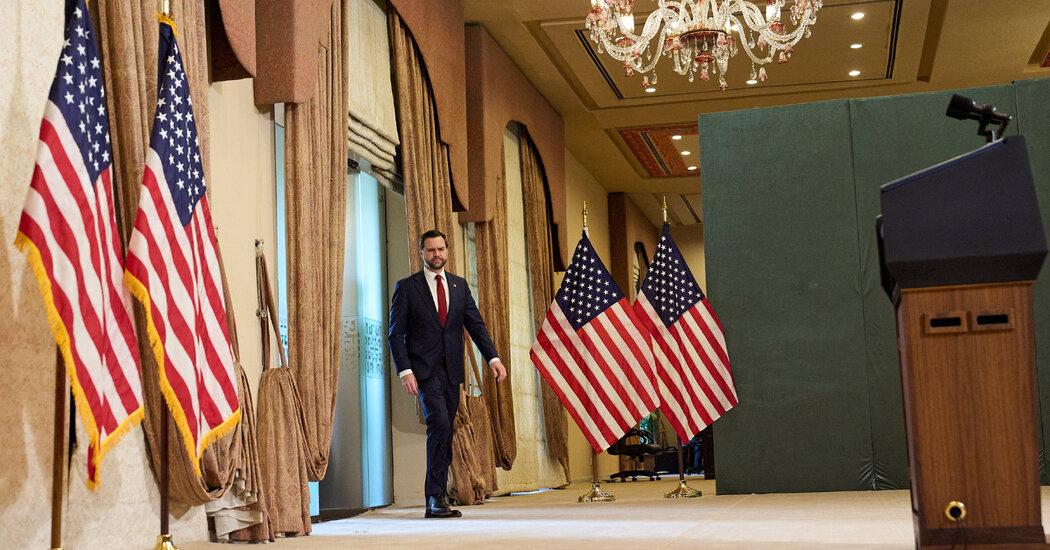
Trump Warns U.S. Will Resume Bombing If Iran Talks Fail Before Ceasefire Deadline
11 sources compared

Reuters/Ipsos Poll Finds 36% Approve Trump’s Job Performance Amid Iran War And Pope Feud
10 sources compared

Iran’s Judiciary Chief Mohseni-Eje’i Warns US-Israeli War Coalition May Strike Again
11 sources compared

Trump Says U.S. Expects a Great Deal With Iran, Won’t Extend Ceasefire Deadline
25 sources compared