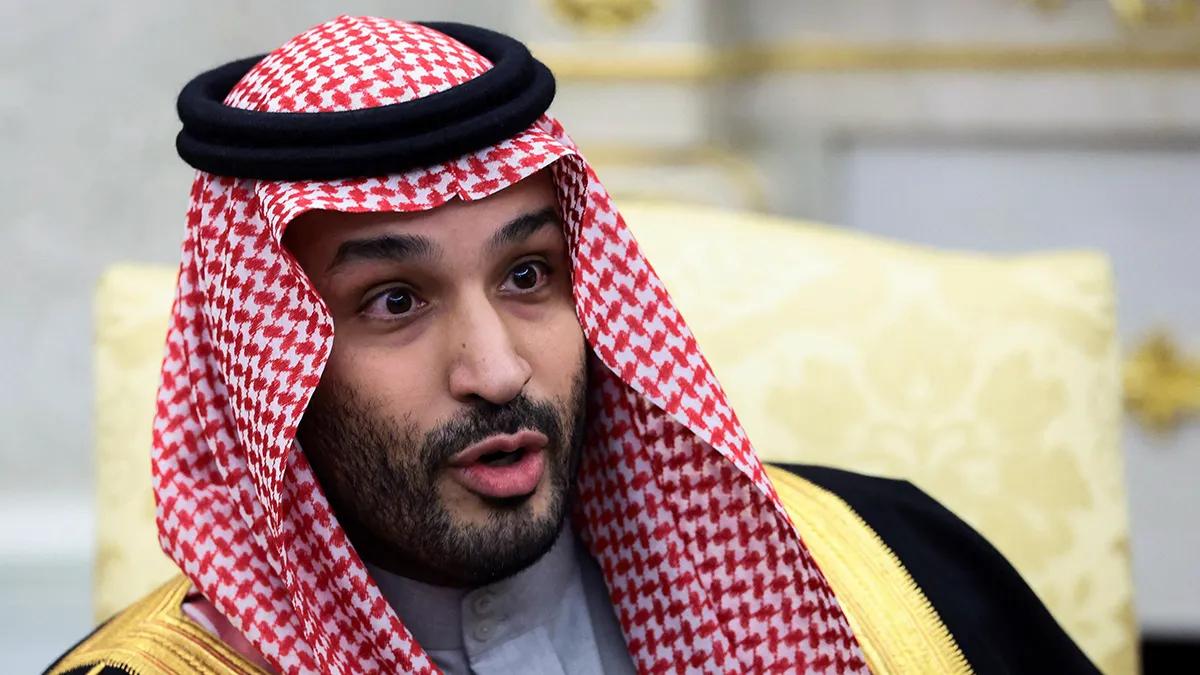
Mohammed Bin Salman Meets Abdel Fattah Al-Burhan in Jeddah Over Sudan Crisis And Red Sea Security
Key Takeaways
- Burhan met Mohammed bin Salman to discuss the Sudan crisis.
- Regional security and Sudan's latest developments were central to talks.
- Saudi mediation role emphasized; U.S. involvement noted by outlets.
Jeddah Talks on Sudan
Saudi Crown Prince Mohammed bin Salman met Sudan’s Transitional Sovereignty Council chairman General Abdel Fattah al-Burhan to discuss “the Sudan crisis and regional security,” according to the Saudi Press Agency, in a meeting held in the city of Jeddah.
“To produce high-quality, independent information, Africa Intelligence relies solely on subscriptions from its readers, with no advertising, no events, and no advisory services”
The two sides “stressed the necessity of ensuring Sudan's security and stability, and preserving its sovereignty, unity of its lands, and safety,” and they reviewed “the course of bilateral relations and prospects for strengthening them and advancing areas of cooperation between the two countries.”
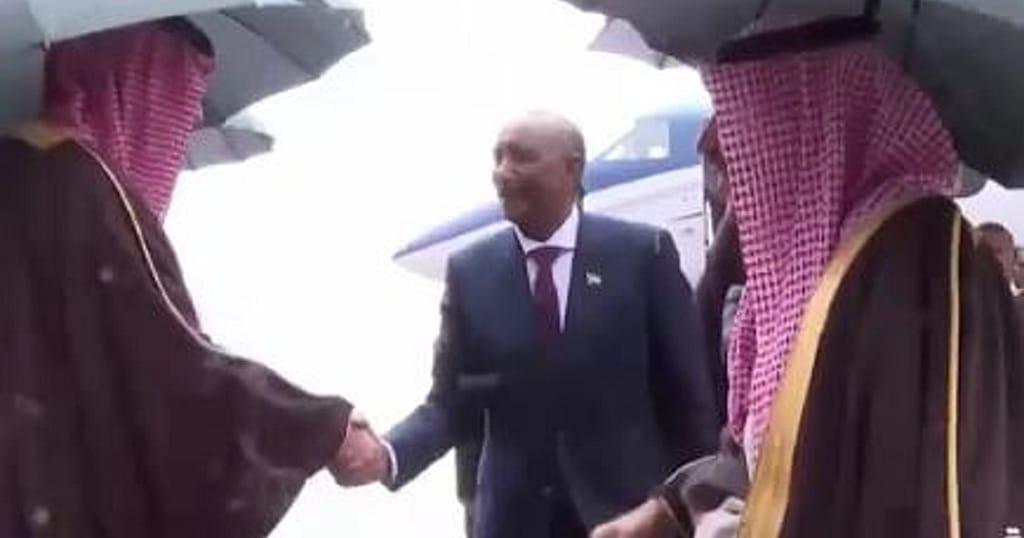
Bin Salman “affirmed the depth of historical ties between the two countries,” saying he expressed appreciation for Sudan’s “positions supporting the Kingdom and its solidarity with it.”
Al-Burhan praised Saudi Arabia’s role in “supporting Sudan in all fields,” while the meeting also addressed “the security and stability of the region, especially the Red Sea.”
The Sudan News Agency said al-Burhan renewed Khartoum’s solidarity—“government and people”—with Saudi Arabia against “attacks that targeted its security and stability,” and it said he confirmed Khartoum’s rejection and condemnation of “Iranian attacks on the Kingdom.”
The two sides “reaffirmed their commitment to continue intensive consultation and coordination between the two countries on regional and area issues,” framing the talks as part of ongoing diplomatic engagement rather than a one-off statement.
War Background and Mediation
The diplomatic engagement described in Jeddah sits against a war that began in April 2023, when tensions between “the army and a powerful group paramilitaire, les Forces de soutien rapide” erupted, according to Africanews.
Africanews says the conflict has killed “Quelque 24 000 personnes” and displaced “des millions” since April 2023, and it links the Saudi role to a broader international mechanism.

It says Saudi Arabia is part of the international “Quad,” which “a proposé en septembre un plan pour une trêve humanitaire de trois mois au Soudan,” and that Quad also includes “les États-Unis, l'Égypte et les Émirats arabes unis.”
The Atalayar report adds that mediation efforts are tied to the same Quad, describing “International peace efforts” as led by “the mediators of the Quad, consisting of the United States, Egypt, Saudi Arabia and the United Arab Emirates.”
Atalayar says mediation efforts “have stalled since Burhan rejected the latest framework proposed by Boulos and approved by the Quad,” and it notes that “no new date has been announced for talks, neither within the US-led mediation nor within a parallel UN-led effort.”
It also situates the conflict as a contest between “the army, led by Abdel Fattah al-Burhan” and the Rapid Support Forces commanded by “Mohammed Hamdan Dagalo, alias Hemedti,” and it says fighting continues “particularly in the southern region of Kordofan.”
Burhan, Trump, and the RSF
Atalayar describes a parallel diplomatic track in which Saudi Arabia and the United States press for a settlement, saying “Saudi Arabia and the United States are playing a determined mediating role in Sudan in order to find a solution for the civil war.”
“Saudi Crown Prince Mohammed bin Salman and Sudan's Transitional Sovereignty Council chairman General Abdel Fattah al-Burhan discussed the latest developments in Sudan and their implications, and the efforts being made in this regard”
It ties that mediation to meetings and statements around Burhan’s travel, stating that “Following a visit to Saudi Arabia and discussions with Saudi Crown Prince Mohammed bin Salman,” the Sudanese army chief “said he was ready to work with U.S. President Donald Trump to resolve the conflict.”
The report says the Foreign Ministry of Port Sudan issued a statement after Burhan’s visit to Riyadh, where he was “the guest of the Saudi Crown Prince,” and it quotes Burhan praising “'Trump's determination to participate in efforts to establish peace and end the war in the country, with the participation of the Kingdom of Saudi Arabia.'”
Atalayar also says Burhan “affirmed Sudan's interest in working with President Trump, his secretary of state and his envoy for peace in Sudan to achieve this undoubtedly noble objective,” naming “Marco Rubio and the American envoy Massad Boulos.”
The same account frames the dispute over mediation as contested, stating that “Al-Burhan rejected any idea that the army withdraw from politics after the war” and that he “accused the mediators of taking sides.”
It adds that the RSF “say they support the international ceasefire plan, but heavy fighting continues, particularly in the southern region of Kordofan,” keeping the conflict active even as diplomacy proceeds.
Power Dynamics and Governance
Africa Intelligence’s account shifts from battlefield and diplomacy to the internal political mechanics of Sudan’s transition, describing how Riyadh’s mediation intersects with stalled governance.
It says “The first half of April should put Sudan back on the path to the democratic transition,” but it warns that “Some thorny questions, such as integrating the powerful Rapid Support Forces into the regular army, nevertheless risk not being resolved by then.”
The report says “The signing of a final governance agreement after the 2021 coup is stalling,” and it attributes the delay “notably due to tensions among the signatories,” while “Representatives of armed groups and their allies are taking advantage of this to try to secure posts within the future government.”
It also describes the political landscape as dominated by “the tandem formed by General Burhan and his deputy Hemeti,” calling it “the Sudanese power's blind spot.”
Africa Intelligence adds a contrast “On paper, everything sets them apart: the former is a career military officer while the latter is a militiaman turned politician,” reinforcing how the two figures embody different power bases.
The same piece also notes that “The coalition of Darfurian mercenaries present in Libya is heading to Niamey once again this week,” and it says “The vice-president of the Democratic Unionist Party is set to fly to the South Sudanese capital to meet one of the last rebel leaders who has not signed the Juba accords.”
Humanitarian Stakes and Next Steps
The sources connect the diplomatic process to humanitarian consequences and to the future shape of Sudan’s political order.
“To produce high-quality, independent information, Africa Intelligence relies solely on subscriptions from its readers, with no advertising, no events, and no advisory services”
Atalayar states that “Since April 2023, Sudan has been engulfed in a war pitting the army, which controls the north and east of the country, against the RSF, dominant in the west and parts of the south,” and it says the conflict “triggered what the UN calls the world's worst humanitarian crisis.”
It also says the Quad “has called for the establishment of a civilian government in Sudan and has warned against the role played by Islamist militants, who support the army in the war against the RSF,” while mediation has stalled after Burhan rejected the latest framework.
Africanews similarly describes the Quad’s September proposal as “une trêve humanitaire de trois mois,” and it says the plan “constitue une première étape vers un cessez-le-feu permanent et une transition de neuf mois menant à un gouvernement civil indépendant.”
Al-Jazeera Net’s account of bin Salman and al-Burhan’s meeting emphasizes “ensuring Sudan's security and stability” and preserving “sovereignty” and “unity of its lands,” and it frames continued coordination as the mechanism for progress.
In parallel, Africa Intelligence points to a near-term political timeline, saying the “first half of April” should return Sudan to a democratic transition path, even as it highlights that integrating the Rapid Support Forces into the regular army may not be resolved by then.
More on Sudan
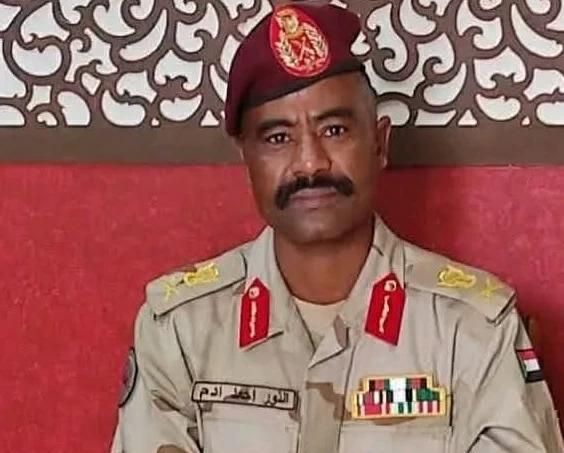
Abdel Fattah al-Burhan Welcomes Noor al-Quba’s Defection From RSF to Sudanese Army
15 sources compared

IGAD Envoy Lawrence Korbandy Says Quintet Will Convene Sudan Meetings Next Month
11 sources compared
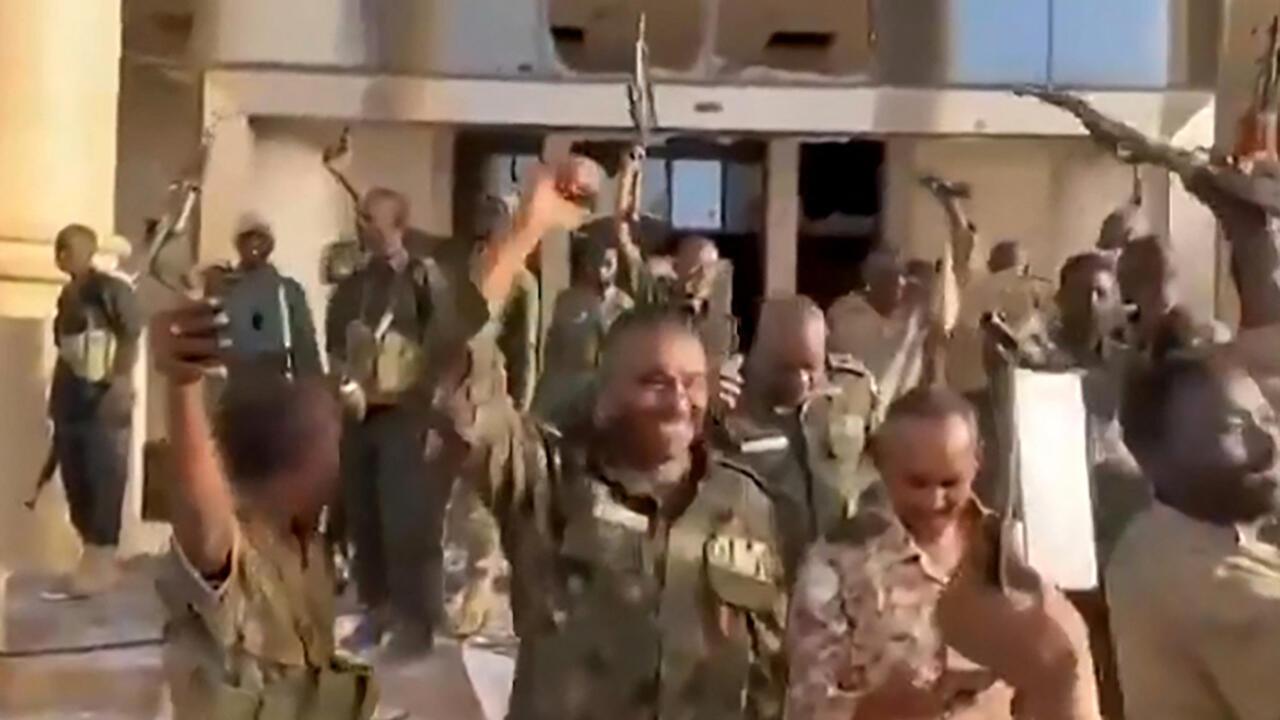
Sudan’s Army Seizes Central Bank And General Intelligence Service In Khartoum
10 sources compared

International Court Rejects Sudan's Genocide Case Against United Arab Emirates
11 sources compared