
Mohsen Rezaei Warns Fresh Aggression Toward Iran Would Be Catastrophic For The United States
Key Takeaways
- Rezaei warns fresh aggression toward Iran would be catastrophic for the United States.
- He vowed Iran would sink the American superpower in the Persian Gulf, Sea of Oman.
- Former IRGC commander Mohsen Rezaei is adviser to Leader of the Islamic Revolution.
Iran-US escalation and diplomacy
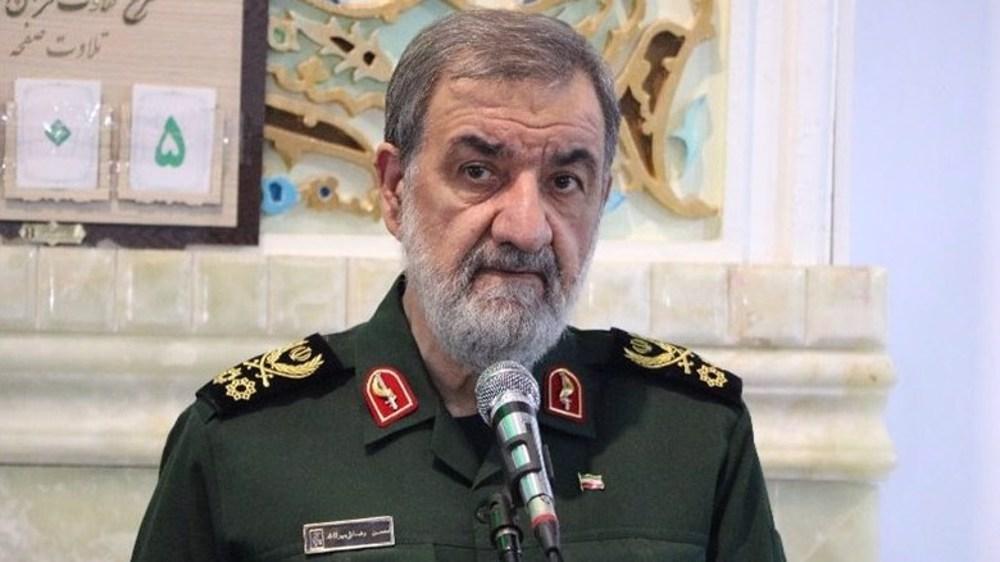
A senior advisor to Ayatollah Seyyed Mojtaba Khamenei, Mohsen Rezaei, said fresh aggression towards Iran would be “catastrophic” for the United States, arguing that “History will record that the Iranian nation sank the American superpower in the Persian Gulf and the Sea of Oman.”
“'There will never be a deal unless they agree that there will be no nuclear weapons' US President Donald Trump says ongoing talks with Iran have “come a long way,” but warned week that no agreement will be reached unless Tehran formally renounces the development of nuclear weapons”
Rezaei, described as a former chief commander of the Islamic Revolution Guards Corps (IRGC) and a member of Iran's Expediency Discernment Council, added that “American military personnel are warning that if the country continues the war, there is a possibility that their vessels will be sunk and their soldiers killed.”

He also said that in the event of fresh aggression, the US “should expect that we will take a large number of their forces captive.”
The PressTV account tied Rezaei’s remarks to “the latest bout of the United States' and the Israeli regime's unprovoked aggression against the country,” and claimed Iran’s Armed Forces faced it with “at least 100 waves of decisive and successful reprisal targeting sensitive American and Israeli targets across a large expanse of the West Asia region.”
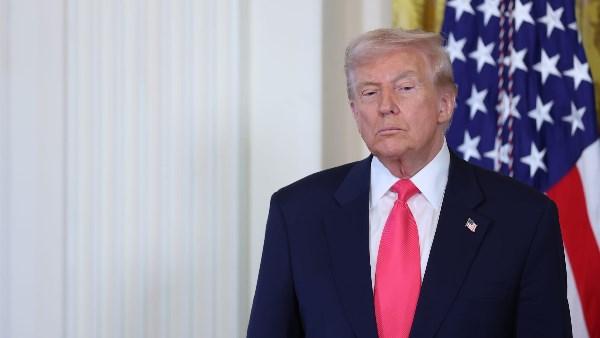
In parallel, Gulf News reported that President Donald Trump said ongoing talks with Iran have “come a long way,” while warning that “There will never be a deal unless they agree that there will be no nuclear weapons.”
Trump’s comments, Gulf News said, came as “formal talks have stalled,” with the US pressing economic measures including access to “shadow banking”, crypto currencies, weapons procurement networks, financing of proxies and access to Chinese “teapot” refineries that support its oil trade.
Ceasefire, blockade, and Strait of Hormuz
The diplomatic and military standoff described in the sources has included intermittent ceasefires alongside continued pressure on maritime movement.
PressTV said that “US President Donald Trump announced a two-week lull in attacks against the country on April 7,” and that Trump “later extended the ceasefire,” while also “announced continuation of an illegal blockade of Iranian vessels and ports in violation of the ceasefire's terms.”
In response, PressTV reported that “Iran has closed the strategic Strait of Hormuz to all traffic except vessels that coordinate with and receive authorization from relevant Iranian authorities,” adding that “The move has sent shockwaves through global energy markets, including in the United States.”
Gulf News similarly framed the Strait of Hormuz as a central flashpoint, noting that “With the delicate Strait of Hormuz still a flashpoint for oil exports and global shipments, Trump’s insistence on tying an arms-control pledge to negotiations will likely shape discussions with Tehran and US allies in the coming weeks.”
WPLG Local 10 reported that Trump rejected Iran’s proposal to reopen the Strait of Hormuz “in exchange for a lift of the U.S. blockade,” describing the plan as one that “would postpone discussions of Iran’s nuclear program.”
The sources also described ongoing US leverage, with Gulf News stating that “Administration officials have also signaled that US "leverage" — including a naval blockade and sustained military operations — will remain in place until Iran accedes to Washington’s core demands.”
US domestic pressure and Iran’s outreach
While the sources describe military and diplomatic moves, they also place the Iran conflict inside US domestic political scrutiny and Iranian diplomatic outreach.
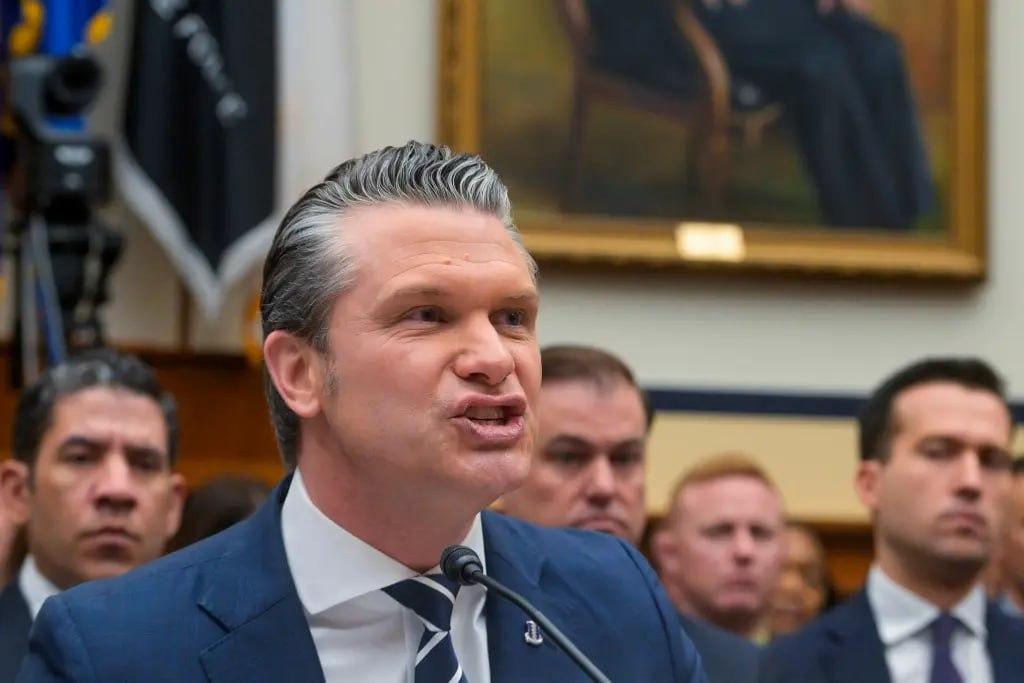
“Defense Secretary Pete Hegseth faced nearly six hours of questioning Wednesday from House lawmakers for the first time since President Donald Trump’s administration launched the war against Iran, which Democrats have contested as a costly conflict of choice waged without congressional approval”
WPLG Local 10 said Defense Secretary Pete Hegseth faced “nearly six hours of questioning Wednesday from House lawmakers for the first time since President Donald Trump’s administration launched the war against Iran,” and that he “He’ll return tomorrow to face the Senate.”
The same report said Democrats contested the war “as a costly conflict of choice waged without congressional approval,” and it cited questions about “the bombing of an elementary school that killed children” and “how prepared the military was to shoot down swarms of Iranian drones.”
In parallel, PressTV described Iranian official messaging and asserted that Rezaei ruled out rumors about the health of the Leader, saying he was “young, healthy, and energetic,” and that he “is managing the country’s affairs through prudence.”
Gulf News added that Trump said negotiators are in “regular contact — including via phone discussions — about potential terms for ending nearly two months of armed conflict and reopening diplomatic channels,” while also stressing the demand that Iran agree to “no nuclear weapons.”
Separately, WPLG Local 10 described Iranian Foreign Minister Abbas Araghchi as conducting phone calls, saying he “spent Wednesday conducting a string of phone calls with the foreign ministers of India, Kenya and Poland,” along with the president of the International Committee of the Red Cross Mirjana Spoljaric and Nabih Berri, the speaker of the Lebanese parliament.
Competing narratives and framing
The sources present sharply different framings of the same confrontation, with PressTV emphasizing retaliation and US threats while Gulf News and WPLG emphasize negotiation conditions, blockade disputes, and US political debate.
PressTV asserted that Iran’s Armed Forces faced “the latest bout of the United States' and the Israeli regime's unprovoked aggression against the country” with “at least 100 waves of decisive and successful reprisal,” and it quoted Rezaei saying the US “should expect that we will take a large number of their forces captive.”
PressTV also claimed that “Trump later extended the ceasefire” while continuing “an illegal blockade of Iranian vessels and ports,” and it described Iran’s Strait of Hormuz closure as a response to that blockade.
Gulf News, by contrast, framed the standoff as a diplomatic process where Trump said “They’ve come a long way,” but insisted “There will never be a deal unless they agree that there will be no nuclear weapons,” and it described US economic pressure including “shadow banking” and “crypto currencies.”
WPLG Local 10 focused on the immediate negotiation friction by reporting that Trump was “rejecting Iran’s proposal to reopen the Strait of Hormuz in exchange for a lift of the U.S. blockade,” and it added that the plan would “postpone discussions of Iran’s nuclear program.”
Even within PressTV’s account, Rezaei’s remarks about US internal politics—saying Trump could blame “Congress” and “the Democrats”—were presented as part of the narrative of how the conflict might be managed.
What comes next: conditions, readiness, and leverage
Looking ahead, the sources lay out competing sets of conditions and operational signals that could shape the next phase of the Iran confrontation.
“A senior advisor to Leader of the Islamic Revolution Ayatollah Seyyed Mojtaba Khamenei says fresh aggression towards Iran will be "catastrophic" for the United States”
PressTV said Rezaei described “the least costly option” for the United States as accepting “the 10-strong conditions that Iran has set towards realization of an end to the situation,” listing “definitive conclusion of whatever instance of aggression against the Islamic Republic, cessation of aggression on all fronts, removal of illegal sanctions, and provision of compensation.”
PressTV also described Iran’s position on the Leader’s health as “young, healthy, and energetic,” and it asserted that “the revenge for the martyred Leader remains in place and will not be fulfilled except with the elimination of Israel.”
Gulf News reported that Trump’s central demand remains that Iran formally renounce nuclear weapons, and it said the US is piling up economic pressure while signaling that “US "leverage" — including a naval blockade and sustained military operations — will remain in place until Iran accedes to Washington’s core demands.”
WPLG Local 10 added that the war’s trajectory is being scrutinized through questions about readiness, including lawmakers asking about “how prepared the military was to shoot down swarms of Iranian drones, some of which penetrated U.S. defenses and killed or injured American troops.”
The same WPLG report also described US force posture and deployment details, saying the “USS Ford aircraft carrier” was heading home after a “record-breaking deployment,” with the Ford leaving the Middle East and returning to its home port in Virginia “in mid-May,” and that it had been at sea for “more than 300 days.”
More on Iran

US Besieges Iranian Ports as Trump Mulls Extended Blockade, Driving Oil Prices Higher
10 sources compared

Oil Prices Surge as US Siege of Iranian Ports Threatens Strait of Hormuz Supply
11 sources compared
Trump Receives CENTCOM Briefing on Potential U.S. Military Action Against Iran Thursday
13 sources compared
Pentagon Says Iran War Costs $25 Billion So Far, Acting Comptroller Jules Hurst III Tells Congress
37 sources compared