Europe29 September, 20252 min read
Moldova’s Pro-EU Party Wins Parliamentary Majority Despite Russian Election Meddling
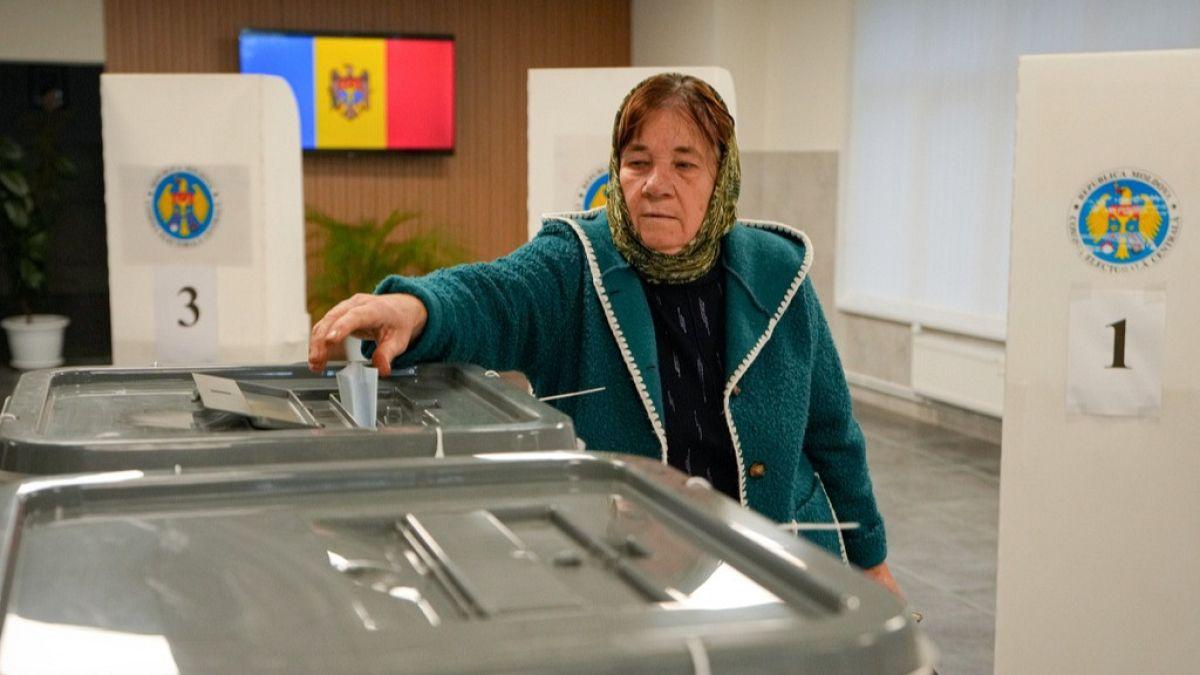
Pro-European Party of Action and Solidarity (PAS) won a clear parliamentary majority with about 50% of votes. Election was marked by widespread allegations and evidence of Russian interference and cyberattacks.
56 outlets told this the same way.
Outlets did split on Marco Rubio Urges Europe To Awaken From Slumber In Athens Speech →
Moldova's Election and EU Path
Moldova's recent parliamentary elections resulted in a decisive victory for the pro-European Party of Action and Solidarity (PAS), led by President Maia Sandu. The party secured just over 50% of the vote, translating to a majority in the 101-seat parliament. This outcome is seen as a significant step towards Moldova's goal of European Union membership by 2030, reinforcing its pro-European trajectory amid ongoing geopolitical tensions with Russia.
“The recent Moldovan election was marred by alleged Russian interference, including a large-scale vote-buying scheme, over 1,000 cyberattacks on government infrastructure, plans to incite riots, and a widespread online disinformation campaign.”
The election was marked by allegations of Russian interference, including cyberattacks, disinformation campaigns, and vote-buying schemes, which Moldova's government attributed to efforts by Moscow to destabilize the country. Despite these challenges, the election was conducted peacefully, and European leaders praised Moldova's commitment to democracy and European integration.

Moldova Election Overview
The election saw a voter turnout of approximately 52.1%, with significant participation from the Moldovan diaspora, which overwhelmingly supported PAS. The pro-Russian Patriotic Bloc, led by former President Igor Dodon, received about 24% of the vote.
Dodon and his allies alleged electoral fraud and called for protests, although no evidence was provided to support these claims. The election was framed as a pivotal choice between aligning with the European Union and maintaining ties with Russia, a narrative that resonated with many voters amid the ongoing conflict in Ukraine and Moldova's strategic location between Romania and Ukraine.

Election Interference Allegations
The Moldovan government accused Russia of conducting a 'hybrid war' to influence the election outcome, involving financial interference, cyberattacks, and disinformation. These allegations were denied by Moscow, which criticized Moldova for limiting voting access for its diaspora in Russia.
“The recent parliamentary election in Moldova was marked by various disruptions, including bomb threats at overseas polling stations, cyberattacks on electoral and government systems, illegal ballot photographing, and unauthorized ballot transportation.”
The election was monitored by international observers, who noted the competitive nature of the elections but also highlighted the challenges posed by foreign interference. The Organisation for Security and Co-operation in Europe (OSCE) observed that while the elections were competitive, they were affected by serious foreign interference, which undermined legal certainty and limited fair contestation.
Moldova's Election and EU Path
The victory of PAS is expected to facilitate Moldova's continued reforms and its path towards EU membership. There are plans to sign an accession treaty by 2028. President Maia Sandu and PAS leader Igor Grosu have emphasized the importance of this election as a 'final battle for the future,' underscoring the people's victory over Russian-backed attempts to influence the outcome.
European leaders, including European Commission President Ursula von der Leyen, congratulated Moldova on the election results. They view the outcome as a reaffirmation of the country's commitment to democracy and European integration.