Tourism · 10 August, 2026 · 3 min read
More Than 400 Syrian Families Return to Ras Al-Ain After Nearly Seven Years
More than 400 Syrian families returned to Ras al-Ain and surrounding villages in Hasakah. First organized convoy of displaced residents returned after seven years.
Return starts as organised convoy vs suspended/affected by attacks during return.
10 of 12 outlets skipped it: curfew imposed in Kobani (Ain Al-Arab) after return-related unrest.
12outlets compared
Same story, two versions
tap a side to read it in full
Xinhua
“marking the first organized convoy of displaced residents heading home in that area after nearly seven years of displacement”Read the original ↗
Xinhua stresses an organised homecoming; Shafaq foregrounds suspension after attacks
Convoy Returns to Ras al-Ain
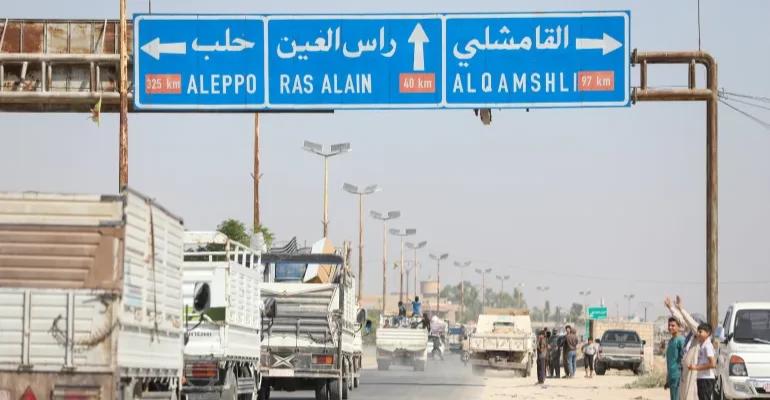
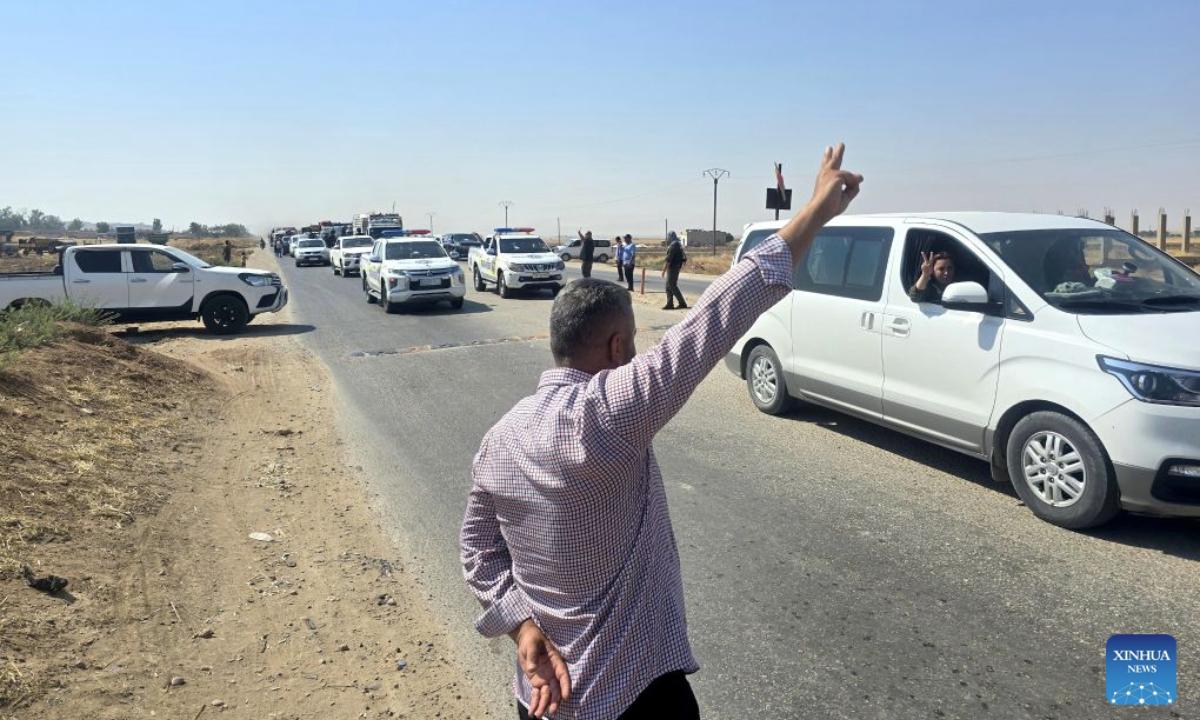
More than 400 Syrian families returned on Monday to the city of Ras al-Ain and its surrounding villages in northeastern Hasakah province, marking the first organized convoy of displaced residents heading home in that area after nearly seven years of displacement. The convoy included 410 families staying at al-Twaina camp in Hasakah, and Xinhua said the operation involved coordination among Syrian interim authorities, local authorities and other parties to facilitate returns in the ethnically diverse northeast. XMahmoud Jamil, spokesman for the Committee of Displaced People from Ras al-Ain, told Xinhua that around 14,000 displaced families from Ras al-Ain and its countryside are officially registered with the committee, while the overall number of displaced families from the area is estimated at around 20,000.
Fahd Ali, who had been living in al-Twaina camp, said, "We left the city of Ras al-Ain seven years ago, and finally we are going back," as the convoy headed toward the city. The return comes after Ras al-Ain became a flashpoint in October 2019 when Türkiye launched a military operation against the Kurdish-led Syrian Democratic Forces (SDF) along the Syrian-Turkish border, after which Turkish forces and allied Syrian armed groups took control of Ras al-Ain and nearby areas.
Violence Suspends Some Returns
Shafaq News reported that the return of displaced residents to Ras al-Ain (Serekaniye) was suspended on Monday after deputy director of the Internal Security Forces in Al-Hasakah said the decision followed “individual and unacceptable attacks and acts of vandalism” targeting families coming back to the city. Shafaq News said Siban Afrin noted in a statement that authorities responded to the incidents and arrested several suspects, while searches for others remained underway ahead of legal proceedings. Al-Monitor reported that the return of displaced Syrian Kurds to Ras al-Ain was suspended after a first group of returnees was attacked, prompting protests in other Kurdish-majority parts of Syria.
Jawan Isso, from a committee representing displaced people from Ras al-Ain, told AFP that a "first batch" of around 2,500 people were headed home but were later attacked by "armed groups". Mahmud Khalil Ali, deputy head of security forces in Syria's Hasakeh province, said several of those involved in the attacks were arrested, but return trips were "temporarily suspended as a precautionary measure to ensure the safety of residents."

Tourism-Like Return Stakes
The return process is tied to the January 29 agreement between Damascus and the Syrian Democratic Forces (SDF), which Al-Monitor said included provisions for integrating military and civilian institutions in the northeast into the Syrian state and for the return of displaced Kurds. Al-Monitor reported that the violence sparked demonstrations in nearby Kurdish-majority Qamishli, where an AFP correspondent saw angry protesters try to break into the security forces' headquarters, and in Kobane, where Syrian state television said people attacked government offices and took down the Syrian flag. Xinhua said the return comes after Syrian interim authorities and the SDF reached agreements earlier this year aimed at integrating military and civilian institutions in the northeast into the Syrian state, with arrangements also addressing Kurdish cultural and linguistic rights and the return of displaced people.X
Chun Ki Ambrose Chiu, senior repatriation officer with UNHCR in Syria, told Xinhua that an estimated 1.7 million Syrians had returned from abroad since December 2024, while nearly 2 million had returned from internal displacement. Despite the broader return trend, Xinhua said that around 5.5 million people remained internally displaced and 15.6 million still required humanitarian assistance, according to the United Nations.X