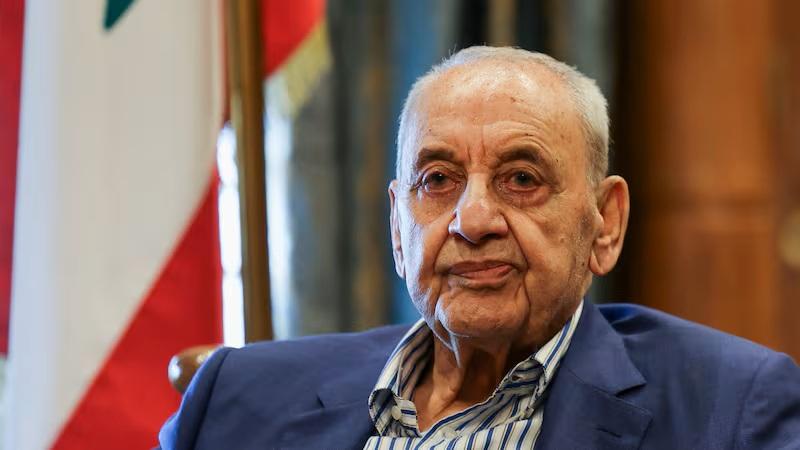
Nabih Berri Says Lebanon Is Frozen Until Ceasefire With Israel Takes Effect
Key Takeaways
- Berri says all Lebanese political matters are on hold pending a ceasefire.
- Lebanese internal talks are frozen until a genuine ceasefire is reached.
- Lebanon will conduct bilateral negotiations via a delegation led by Ambassador Simon Karam.
Ceasefire stalls in Lebanon
Lebanese Parliament Speaker Nabih Berri said on Tuesday that “everything has come to a standstill” in Lebanon pending the ceasefire with Israel, describing a political and governmental freeze until the truce is secured.
“Lebanese Speaker Nabih Berri said all maters remain on hold in the country pending the ceasefire with the Israeli enemy”
As cited by Lebanese daily Al-Akhbar and relayed by Al-Manar TV Lebanon, Berri told visitors that “no issues being addressed or discussed” would continue until the ceasefire Berri said he “worked tirelessly to secure” takes effect.
Commenting on President Joseph Aoun’s statement on Monday, in which Aoun said the ceasefire is “a necessary first step for any subsequent negotiations with ‘Israel’,” Berri referred questioners back to the president, saying, “Ask him.”
Berri then questioned the reality of the truce by asking, “Where is the ceasefire today?”, linking the question to “the ongoing Israeli attacks on southern Lebanon.”
In parallel, Palestine Chronicle reported that Berri told visitors at his residence in Ain al-Tineh that “everything is on hold, and no matters will be discussed before a ceasefire is reached,” and that halting the war is “the country’s top priority.”
Palestine Chronicle also reported that Berri dismissed reports of a potential government reshuffle, reiterating that internal matters remain suspended pending a formal ceasefire.
Aoun ties talks to ceasefire
President Joseph Aoun’s position, as presented in the coverage, is that Lebanon will not proceed to negotiations with Israel without a prior ceasefire.
Palestine Chronicle reported that Aoun reaffirmed that “no negotiations with Israel can proceed without a prior ceasefire,” and said Lebanese officials had made clear to the United States from the outset that “a ceasefire is a necessary first step for any subsequent negotiations.”
The outlet said Aoun noted that this position was reiterated during two rounds of talks held on April 14 and 23 at the ambassadorial level, and that Washington had previously signaled a “clear commitment” that Israel would halt offensive operations.
However, Palestine Chronicle added that Aoun stressed those commitments “have yet to materialize on the ground,” while Israeli operations continued across southern Lebanon and the Bekaa region.
The same report described ongoing Israeli actions including “airstrikes, artillery shelling, and demolition of homes and infrastructure,” and said these attacks produced “civilian casualties and widespread destruction.”
Palestine Chronicle further stated that confrontations persist along the Lebanese-Palestinian border, where “the Lebanese resistance continues to respond to ongoing Israeli aggression and repeated breaches of the truce.”
US effort and planned talks
Asharq Al-Awsat coverage relayed by Al-شرق | West Asian says Berri revealed an American effort to extend the ceasefire between Lebanon and Israel.
“The head of the Lebanese Parliament, Nabih Berri, revealed the existence of an American effort to extend the ceasefire between Lebanon and Israel, while President Joseph Aoun affirmed that 'bilateral negotiations will be undertaken by Lebanon through a delegation headed by Ambassador Simon Karam, and no one will participate on Lebanon's behalf in this task or replace him”
The report states that President Joseph Aoun affirmed that “bilateral negotiations will be undertaken by Lebanon through a delegation headed by Ambassador Simon Karam,” and that “no one will participate on Lebanon's behalf in this task or replace him.”
It adds that several Israeli media outlets reported on Monday that the second round of talks between Israel and Lebanon would be held Thursday in Washington, described as the first talks between the two countries since the start of a “10-day ceasefire last Thursday.”
The American ambassador to Lebanon, Michel Issa, visited Aoun and Berri upon returning to Beirut for the first time since the announcement of the temporary 10-day truce, and the report says he did not make any statements to the media.
Berri spoke to Asharq Al-Awsat about the US-led effort to extend the ceasefire, while refusing to disclose his stance on the direct negotiation process with Israel that Aoun is planning.
Aoun’s statements distributed by the Lebanese Presidency’s Media Office, as quoted in the report, say that “the option of negotiation aims to halt hostilities and end the Israeli occupation of southern areas and deploy the army to the internationally recognized southern border.”
Divergent portrayals of the truce
Across the three accounts, the ceasefire is presented through sharply different lenses, with Berri’s public questioning in one report contrasted against a diplomatic track described in another.
Al-Manar TV Lebanon emphasizes Berri’s insistence that “Everything has come to a standstill” and includes his direct challenge, “Where is the ceasefire today?”, explicitly tied to “the ongoing Israeli attacks on southern Lebanon.”
Palestine Chronicle similarly frames the political process as frozen, quoting Berri that “everything is on hold, and no matters will be discussed before a ceasefire is reached,” while also reporting Aoun’s claim that commitments “have yet to materialize on the ground.”
By contrast, Al-شرق | West Asian describes an American effort to extend the ceasefire and reports that the second round of talks would be held Thursday in Washington, after a “10-day ceasefire last Thursday.”
In the Asharq Al-Awsat account, Aoun’s negotiation option is presented as a structured pathway, with a delegation “headed by Ambassador Simon Karam” and with Aoun saying communications will continue “between us to preserve the ceasefire and initiate negotiations.”
The same report quotes Aoun saying “I have chosen negotiation, and I am hopeful that we can save Lebanon,” which stands in tension with Berri’s question about whether the ceasefire exists at all.
Economic warning and next steps
Beyond ceasefire politics, the reporting also highlights economic and administrative stakes, with Berri warning against actions that could destabilize Lebanon’s currency.
“ByPalestine Chronicle Staff Lebanese Parliament Speaker Nabih Berri said on Tuesday that all political discussions in Lebanon are on hold until a genuine ceasefire is reached, effectively freezing internal political processes, Al Mayadeen reported”
Al-Manar TV Lebanon says Speaker Berri warned “against any attempt to manipulate the Lebanese pound’s exchange rate,” citing “the potentially disastrous consequences for the country.”
The same report says visitors to Ain Al-Tineh quoted Berri as saying hopes remain pinned on “something serious” emerging from the US-Iranian talks in Islamabad.
Palestine Chronicle likewise includes Berri’s warning over economic stability, cautioning against manipulation of the Lebanese pound’s exchange rate and saying it could trigger “severe consequences.”
In the diplomatic track described by Al-شرق | West Asian, Aoun frames negotiation as an alternative to continued war costs, saying Lebanon faces “two options: either continuing the war with its humanitarian, social, economic, and sovereignty-related costs, or negotiating to end this war and achieve sustainable stability.”
The report adds that Aoun said the upcoming negotiations are “separate from any other talks,” and that he is hopeful “we can save Lebanon.”
More on Lebanon
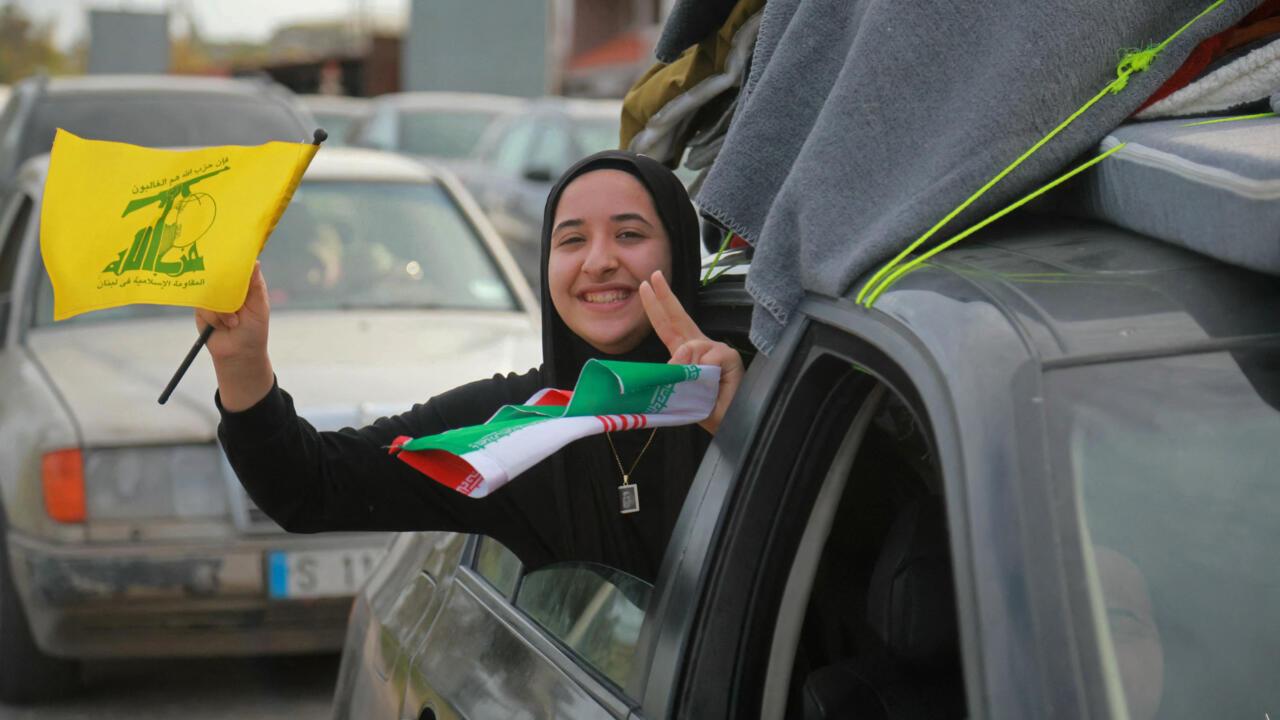
Hezbollah Lawmaker Ibrahim Al-Moussawi Says Joseph Aoun Remarks Would Be a Catastrophe
12 sources compared

Trump Tells Netanyahu To Limit Lebanon Strikes As Ceasefire Stalls
10 sources compared
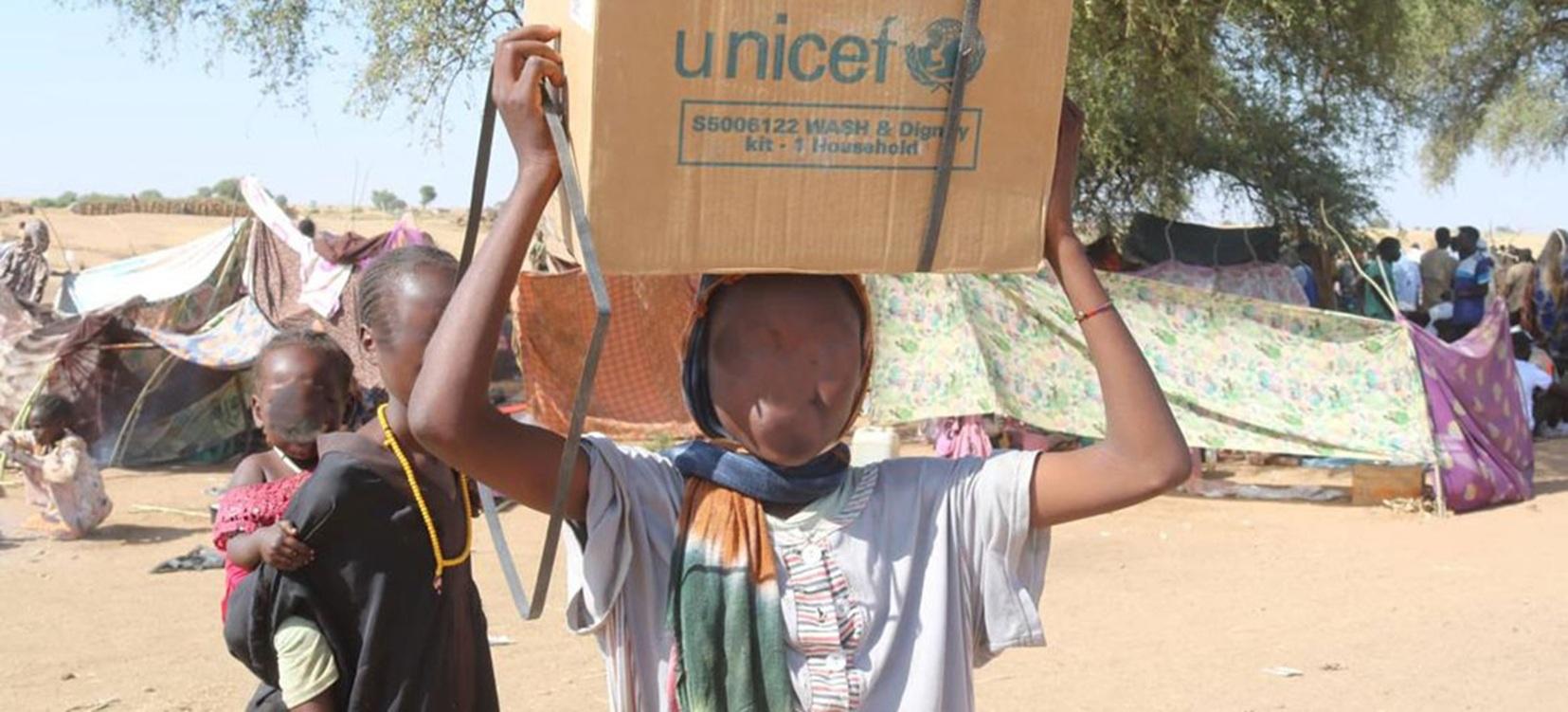
UNICEF Warns Darfur Children Face Acute Crisis After April 2024 Violations
15 sources compared
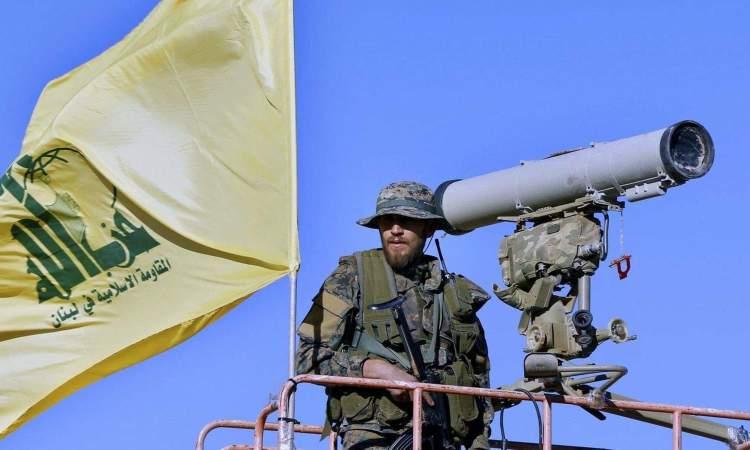
Hezbollah Fires Missiles and Drones, Striking Merkava Tanks in Al-Qantara and Kherbet Salam
14 sources compared