Technology and Science01 April, 20261 min read
NASA Launches Artemis II, SLS and Orion To Orbit Moon Carrying Four Astronauts
Liftoff from Kennedy Space Center at 6:35 p.m. ET with four astronauts. Mission duration around ten days, orbiting the Moon without landing.
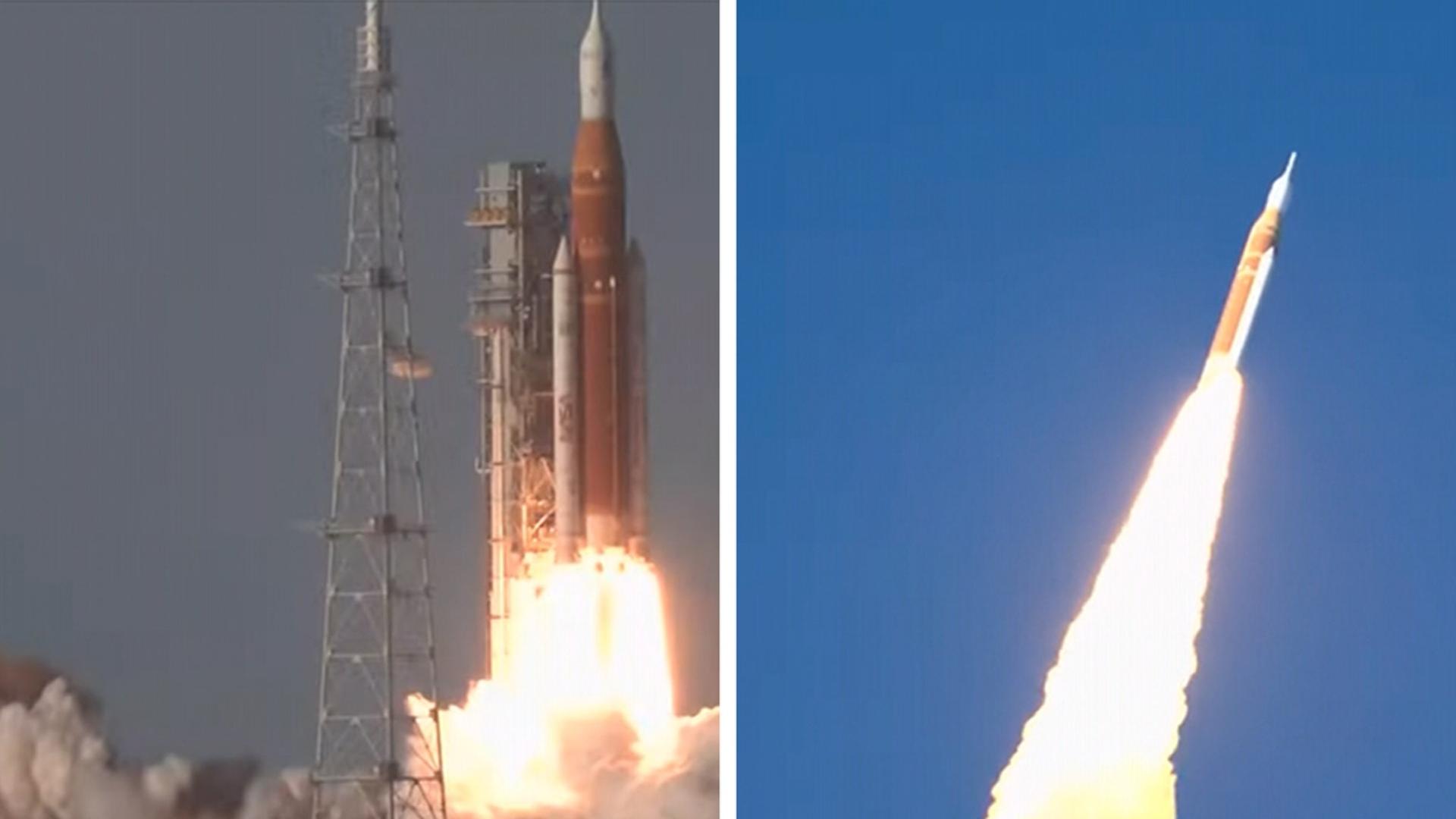
Historic Launch After 50 Years
NASA's Artemis II mission launched successfully at 6:35 p.m. EDT.
The crew includes the first woman, first person of color, and first non-American to travel to the moon.
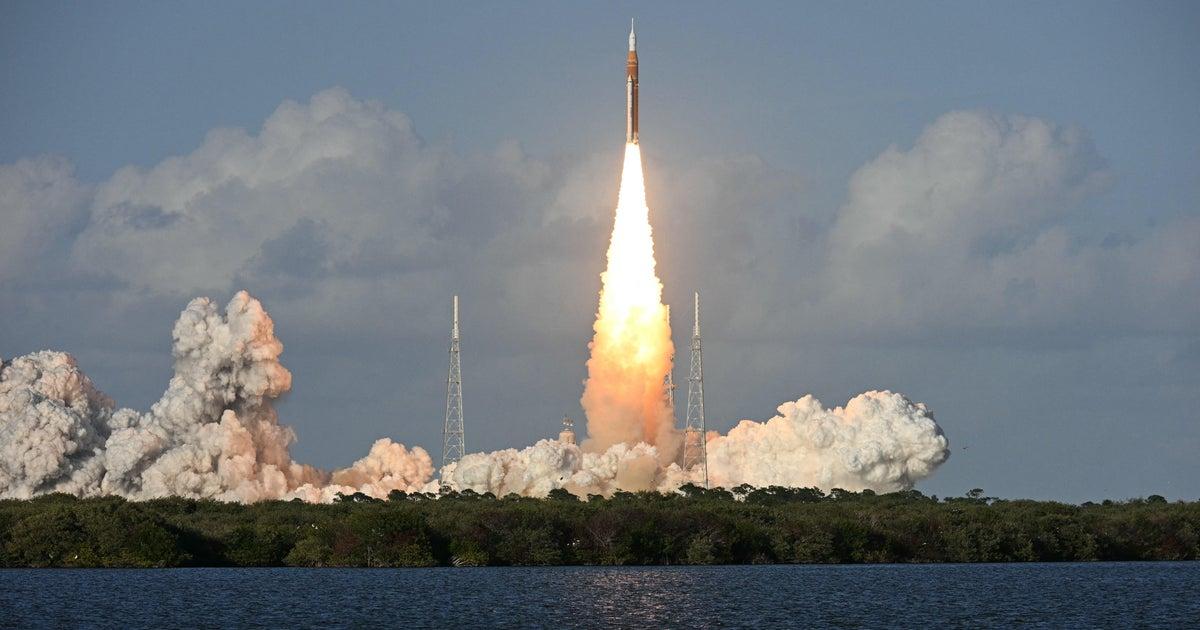
The mission will orbit the moon without landing, testing systems over nine and a half days.
The launch ended a months-long delay cycle and technical fixes.
Orbit and Apogee Raise Burn
The crew conducted an apogee raise burn to 43,760 miles. This is higher than any humans have flown since Apollo 17 in 1972. The mission serves as a critical step toward Artemis III landing, planned no earlier than 2027.
Risk and Radiation Protection
The crew faces exposure to more high-energy galactic radiation beyond low Earth orbit. Orion's structure reduces particle energy to safe levels.
ESA had collaborated on radiological protection operations. The mission was framed as a stepping stone toward sustained lunar presence.
Global Collaboration and Legacy
The mission represents a milestone for NASA and international collaboration. It marks the third era of human spaceflight.
Private companies have envisioned a lunar economy. It sets the stage for eventual basebuilding.
