Technology and Scienceupdated 1h ago2 min read
NASA’s Perseverance Rover Sets Off-World Driving Record at 45.22 Kilometers
This article is an automated aggregation of coverage from news outlets. Our editorials offer in-depth analysis curated by the NewsCord team.
Perseverance reached 45.22 km, surpassing Opportunity's 45.16 km record on Oct 11. It set the off-world driving distance record, the longest by any vehicle on another world.

12 outlets told this the same way.
Record on Mars
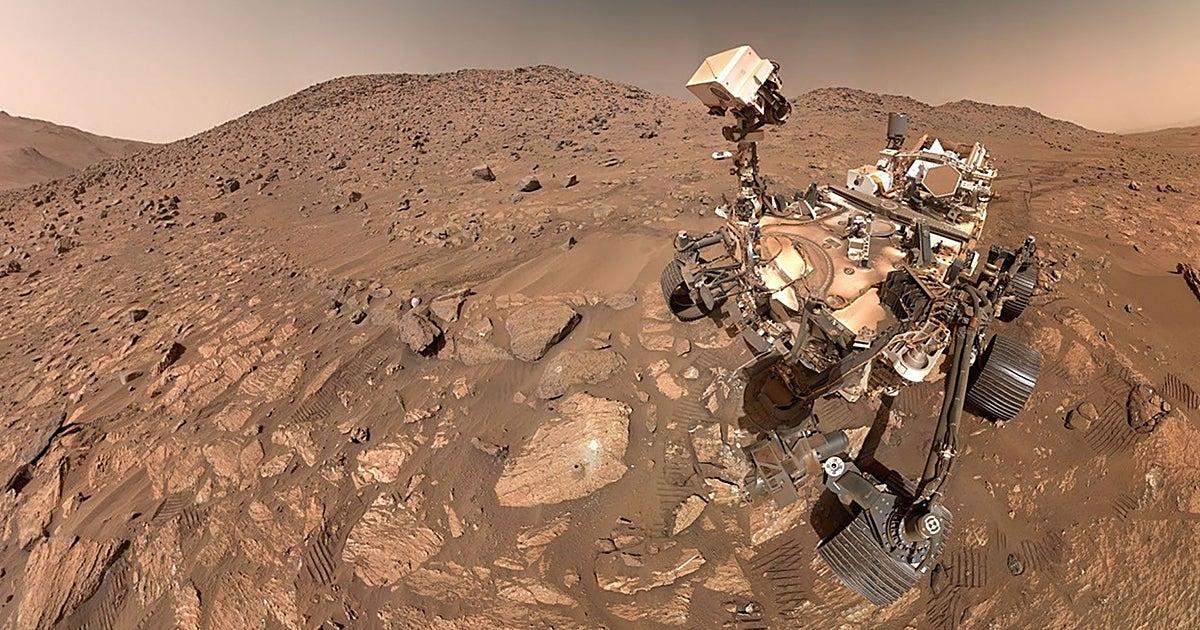
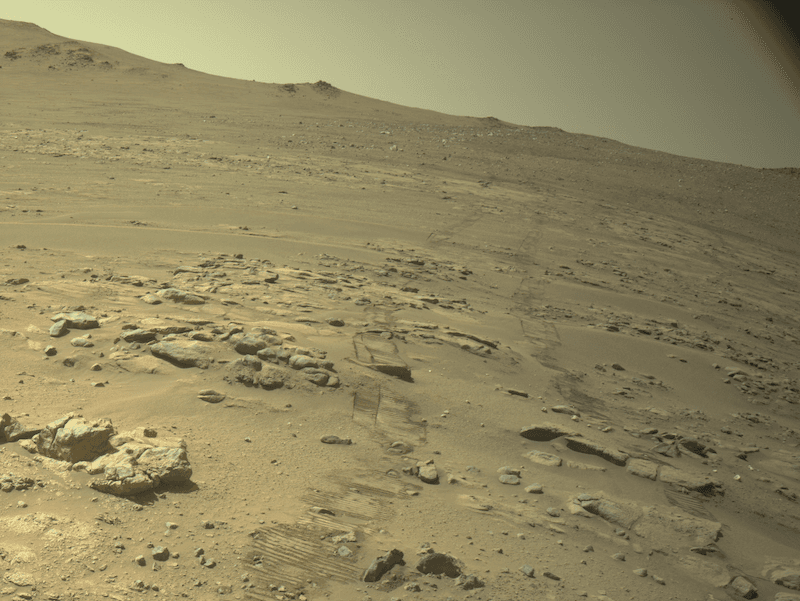
NASA’s Perseverance rover reached 45.22 kilometers on October 11, surpassing the 45.16 km record set by NASA’s Opportunity rover, which explored Mars from 2004 to 2018. NASA’s Perseverance hit the milestone on its 2,006th Martian day, or sol, and the rover covered in five and a half years a distance that took Opportunity almost 15 years. NASA said Perseverance was heading toward Idubi through the region off the western rim of Jezero Crater known as Lac de Charmes as it set the record.
NASA’s AutoNav system helped drive the achievement by letting the rover capture images of the terrain as it advances, create a 3D map of hazards, and plot its route between reference points selected by rover planners on Earth. NASA said Perseverance can cover up to 412 meters in a single sol, and NASA recently approved the first mission extension that began in October and will carry Perseverance’s exploration of the crater’s edge to roughly the end of 2028.
Autonomy and navigation
Steven Lee, project manager for the Curiosity and Perseverance rovers at NASA’s Jet Propulsion Laboratory in Southern California, said, “The original mission planned a maximum route of 20 kilometers.” Steven Lee added, “We have far surpassed that figure, and with all mobility systems fully functioning and favorable long-life test results on Earth, we expect Perseverance to continue expanding this record for many years,”. Mark Maimone, deputy director of the Perseverance rover operations team, said, “Perseverance makes its own decisions about its trajectory,” and he described software that teaches the rover to turn less and tilt more.
NASA said Perseverance has driven more than 90% of its total distance using AutoNav, compared with about 5% for the first Martian AutoNav system on Opportunity and its twin, Spirit. NASA said Perseverance processes 600,000 measurement points with every look at the terrain, while Sojourner assessed the path ahead using 20 measurement points.
What the record enables
NASA said the record matters because endurance and longer drives enable faster access to greater geological diversity, with more outcrops examined and more of the Red Planet’s history deciphered from its rocks. NASA said Perseverance’s reach took it from the bed of an ancient lake to a fossilized river system, where the rover found a possible biosignature in a rock named Cheyava Falls, and then to the crater’s edge. NASA said Perseverance has collected 29 rock and regolith samples spanning the crater floor, a delta fan formed by a long-dead river, and now the crater’s edge.
NASA said the rover is exploring rocks produced by impacts dating about 4,000 million years old, belonging to a chapter of planetary history almost completely erased from Earth. NASA said after passing Lac de Charmes, Perseverance will continue skirting the crater and move south during the extended mission toward Rainbow Falls, a block of ancient crust 100 meters wide (328 feet) raised by the impact that formed Jezero Crater.