Europe03 July, 20263 min read
NATO Deputy Supreme Allied Commander Europe John Stringer Says Europe Backfilled Most US Cuts
This article is an automated aggregation of coverage from news outlets. Our editorials offer in-depth analysis curated by the NewsCord team.
European allies have largely replaced gaps left by US force reductions in NATO. Stringer, Deputy Supreme Allied Commander Europe, says Europe backfilled most NATO gaps.
Backfilling US NATO cuts
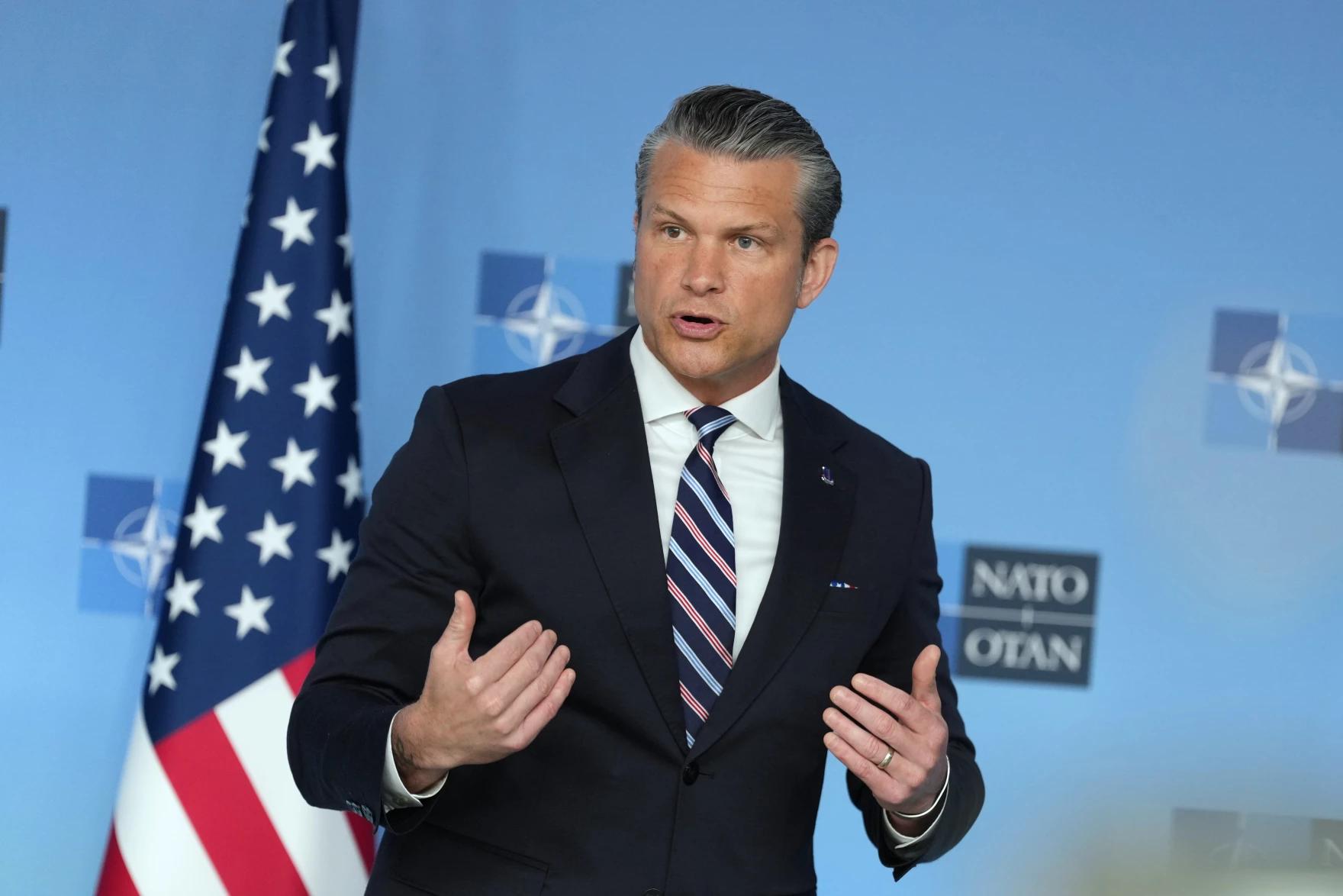
Europe has largely replaced most of the assets the United States cut from its rescue plans for a potential conflict in Europe, NATO’s deputy supreme allied commander Europe John Stringer told Bloomberg in a Friday interview. Stringer said, “European allies have definitely stepped up in terms of backfilling the adjustment in the US forces in Europe,” and added it showed “a stronger Europe in a stronger NATO.” The shift followed the US unveiling significant cuts to the forces it would deploy to Europe in the event of a war or major crisis, prompting NATO’s military leadership to ask European members to identify additional forces they could contribute to the alliance.
Stringer, a former Royal Air Force fighter pilot, said that where European countries could not provide equivalent capabilities, they would seek to achieve the same operational effect through alternative assets. He also said burden-sharing and burden-shifting “is now being done in a sensible, proportionate way, absolutely driven by military logic,” as European allies adapted to changing US priorities and commitments.
NATO without the US
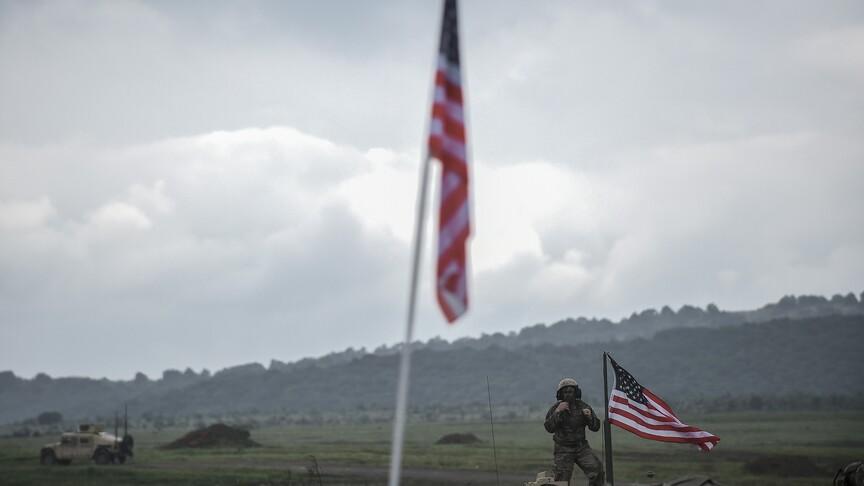
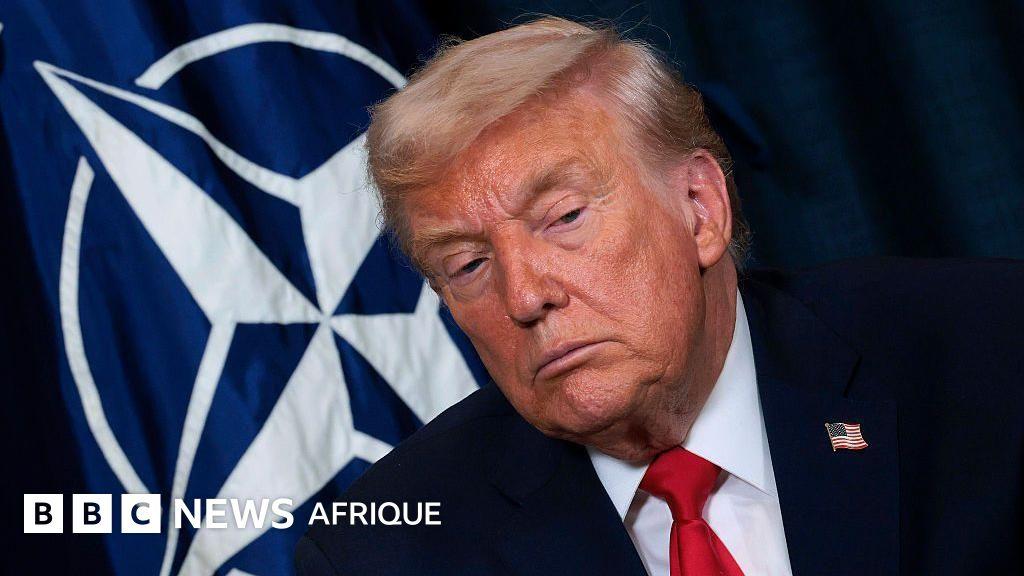
A BBC World Service analysis asked whether NATO could be a credible force without the United States, pointing to transatlantic strain after European countries refused to actively participate in recent attacks conducted by the United States and Israel against Iran.
The BBC noted that NATO has 32 members spread across Europe and North America and that NATO does not have its own standing army, with member states able to undertake collective military actions in response to international crises.
It also said that as of December 2025, about 68,000 U.S. military personnel were permanently stationed on U.S. bases across 31 bases and 19 additional sites, according to Reuters.
The BBC quoted an analyst from the Atlantic Council saying the American commitment to NATO remains essential, and it quoted Dr. Gavin Hall, a lecturer in international security at the University of Strathclyde in Glasgow, United Kingdom, saying the United States remains the main guarantor of the capabilities of other NATO members.
The BBC framed the question around deterrence and capability gaps, noting that without U.S. involvement its ability to deter a powerful adversary would be seriously weakened.
Summit pressure and spending
As NATO leaders prepare for a summit in Ankara next week, NATO’s top commander and other officials described force planning as a major issue after the US signaled on June 3 that it would no longer provide an aircraft carrier and support ships, aerial refueling planes and dozens of fighter jets. WRAL, citing NATO’s top commander, reported that “In a matter of weeks, European Allies have largely filled the gaps left by U.S. reductions to the NATO Force Model,” and said the NATO Force Model is Plan A for making forces from the alliance’s 32 member nations available in peace, crisis or war. NATO Secretary-General Mark Rutte played down the impact, telling the BBC last month, “This is not about where forces and assets are currently located,” and adding it is about who would do what if defense plans were activated.
The BBC also described how defense spending targets have become central to the debate, including NATO’s goal to raise defense spending to 5 percent of GDP by 2035 and the claim that the United States accounted for 66 percent of NATO members’ total defense spending in 2024, according to SIPRI. In parallel, the Financial Post reported that Stringer told Bloomberg Television ahead of the alliance’s summit in Ankara that “European allies have definitely stepped up in terms of backfilling the adjustment in the U.S. forces in Europe,” as the alliance tried to smooth over US announcements pivoting away from the continent.