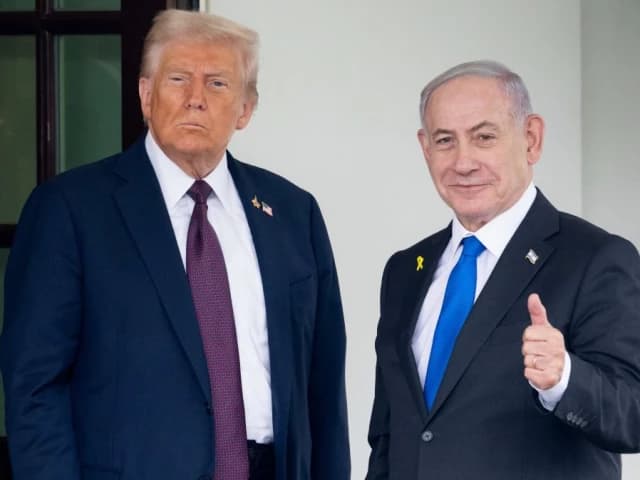
Netanyahu Gains From US-Israel-Iran War as Trump Struggles, Gulf States Hurt
Key Takeaways
- Netanyahu aims to weaken Iran's regime amid a widening US-Israel-Iran war.
- War boosts Netanyahu’s position while harming Trump’s political standing and economic narrative.
- Trump's involvement is uncertain; Netanyahu denies dragging him into the war.
Netanyahu's Political Gains
Prime Minister Benjamin Netanyahu appears to be gaining political capital from the escalating US-Israel-Iran conflict, leveraging the war to strengthen his domestic position despite limited electoral gains.
“Middle East: War in Iran, latest news today, live - War in Iran: Netanyahu says that Iran can no longer manufacture ballistic missiles and denies that he dragged Trump into the war Fractures”
The war enjoys significant public support in Israel, with Netanyahu strategically positioning himself as a strong leader protecting national security interests.
He has made bold claims about successfully degrading Iran's military capabilities, announcing that Iran can no longer manufacture ballistic missiles and suggesting uranium enrichment capabilities have been severely damaged.
While this public support has yet to translate into immediate polling boosts ahead of elections later this year - with his right-wing coalition falling short of a majority at around 50 of the Knesset's 120 seats - the war has provided Netanyahu with a platform to project strength and rally national unity around his leadership.
Trump's Diplomatic Challenges
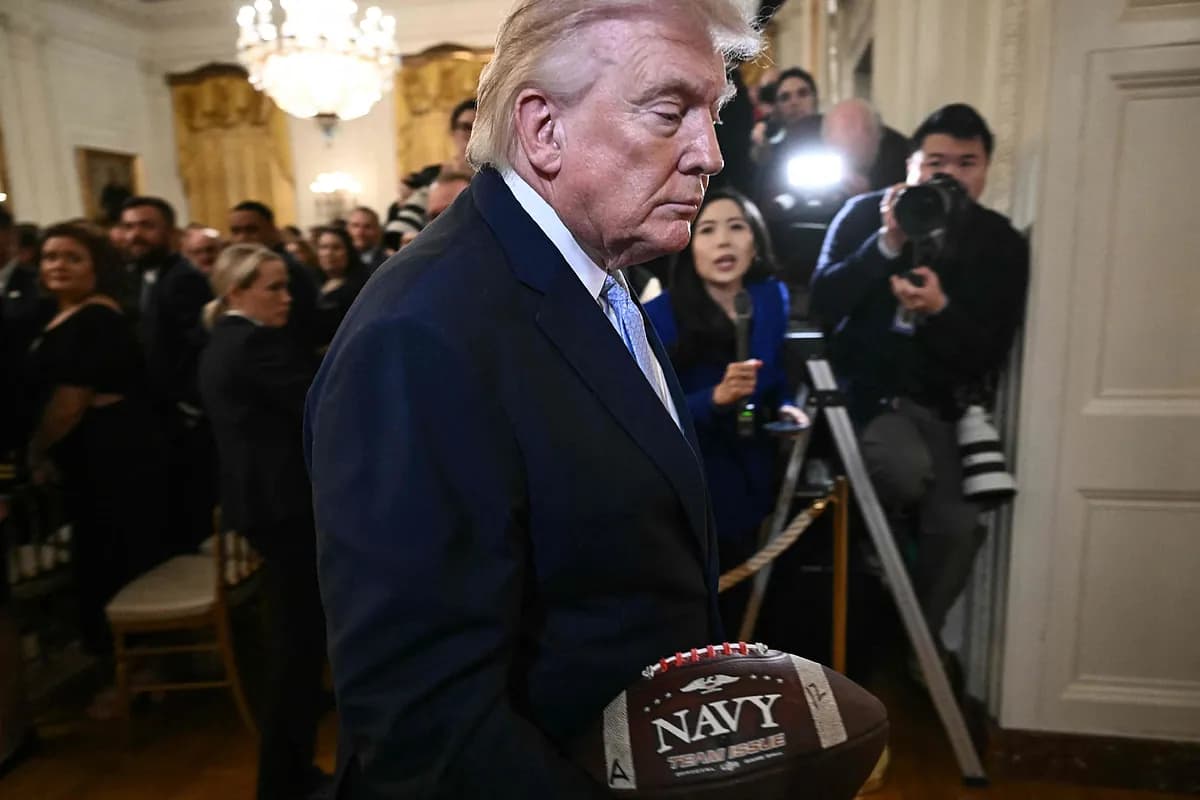
President Trump finds himself in a precarious diplomatic balancing act, caught between his alliance with Israel and the economic interests of Gulf Arab partners who are increasingly bearing the brunt of regional fallout.
The US President has faced significant challenges maintaining the appearance of unified military strategy with Israel, particularly after denying foreknowledge of the Israeli attack on Iran's South Pars gas complex - a position that contradicted previous assertions of 'lockstep' military coordination.
Trump's delicate balancing act between supporting his close ally Israel and maintaining important relationships with oil-rich Gulf Arab partners has been strained by the economic-energy crisis around the Strait of Hormuz, where Iranian attacks have threatened global oil supplies.
The disconnect between Trump's public statements and the reality of military operations has created visible fractures in the US-Israel relationship, with Israeli officials reporting daily phone calls between Trump and Netanyahu highlighting the intensity of their coordination despite public denials.
Gulf States Bear Brunt
Gulf Arab states are emerging as the primary casualties of the escalating conflict, facing severe economic and security consequences from Iranian attacks on energy infrastructure and the strategic chokepoint of the Strait of Hormuz.
“Middle East: War in Iran, latest news today, live - War in Iran: Netanyahu says that Iran can no longer manufacture ballistic missiles and denies that he dragged Trump into the war Fractures”
As Iran fires missiles and drones at commercial hubs and disrupts the vital waterway that handles a fifth of global oil shipments, these regional states bear disproportionate risks compared to either Israel or the United States.
Analysts warn that the future security and stability of the entire Gulf region is now at stake, with the common Gulf Arab states perceiving the threat as existential in nature.
Unlike Israel, which faces minimal regional fallout from Iranian instability, Washington and its Gulf partners are far more exposed to attacks on energy infrastructure that drive up oil prices and disrupt global shipping lanes.
This economic vulnerability has left Gulf states caught in the crossfire of a conflict they did not initiate, with Iran's escalation calibrated to impose high costs and extract concessions.
Divergent Strategic Goals
The conflict reveals fundamentally different strategic objectives and risk perceptions between Israel and the United States, with Israel viewing Iran as an existential threat while Washington prioritizes avoiding economic disruption.
Netanyahu's stated ambitions extend beyond degrading Iran's missile capabilities to potentially achieving regime change and neutralizing Iran's nuclear program, objectives that Israeli air forces cannot accomplish alone.
Israeli analysts suggest the country is more willing than the United States to tolerate instability in Iran, calculating it would face far less regional fallout - especially after weakening Iranian proxies Hamas and Hezbollah over the past three years.
In contrast, Washington is more focused on avoiding a drawn-out war that could impose heavy economic costs and damage alliances.
This divergence in strategic priorities has created tensions between the allies, with Israel pursuing objectives that could prolong the conflict while the US seeks diplomatic solutions to contain economic damage to global markets.
Market Resilience
Despite the political challenges, Israeli markets have shown surprising resilience amid the conflict, with economic indicators suggesting that ongoing operations against Iran may be providing unexpected economic benefits.
“Middle East: War in Iran, latest news today, live - War in Iran: Netanyahu says that Iran can no longer manufacture ballistic missiles and denies that he dragged Trump into the war Fractures”
While the war enjoys public support and could benefit Netanyahu politically, the disconnect between public backing and political payoff is currently masked by buoyant Israeli markets.
The economic fallout for Israel appears less severe than for other regional players, with Iranian retaliation efforts causing limited damage compared to the extensive attacks launched by Israel and the US against Iranian targets.
Iran has celebrated some successes, such as damage to the Bazan oil refinery in Haifa following debris from an interceptor missile, but these incidents have not significantly disrupted Israeli economic activity.
This market performance contrasts sharply with the economic pressures facing Gulf states and the United States, highlighting how the asymmetric nature of the conflict creates different economic outcomes for the various participants.
More on Iran

Iranian missiles strike Dimona and Arad, injuring over 100.
47 sources compared
Israel and U.S. Strike Natanz Nuclear Facility Again; Iran Blames Attack
69 sources compared

Iran Attacks Diego Garcia with Long-Range Missiles, Targeting U.S.-UK Base
82 sources compared
Trump Defends Iran War by Citing Pearl Harbor
12 sources compared