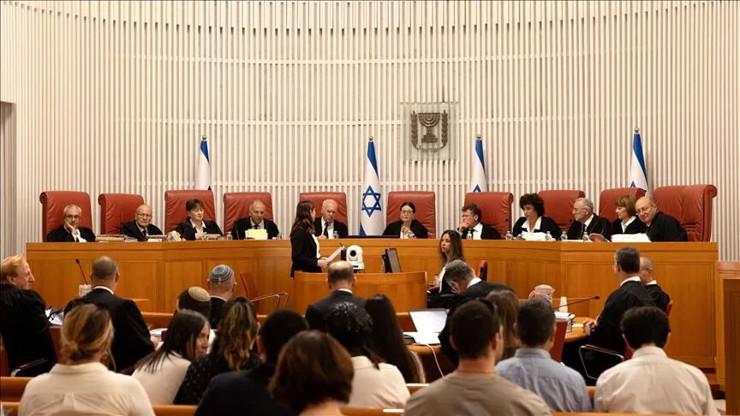
Netanyahu Government Vows To Defy Israel Supreme Court Over Second Authority Quorum
Key Takeaways
- Cabinet unanimously vows to defy High Court ruling on Second Authority regulator.
- Court ruling allowed the regulator to convene despite lacking a full quorum.
- First-ever government defiance of the Supreme Court risks constitutional crisis.
Defying High Court
Israel’s government voted unanimously on Sunday to override a June 17 High Court order tied to the Second Authority for Television and Radio, with the cabinet committing to reject decisions made by the council in its current composition.
“Continue without accepting →”
The dispute centers on the regulator’s quorum, with the High Court ordering the council to continue operating despite concerns it had dropped below the legal headcount needed to function.

Communications Minister Shlomo Karhi and Justice Minister Yariv Levin backed the cabinet’s stance, arguing that the court’s ruling contradicted the law and that decisions made under it would not be recognized.
In response, President Isaac Herzog warned that “noncompliance with a court ruling is a red line that must not be crossed under any circumstances,” framing the move as a threat to national unity.
Opposition and legal clash
Opposition leaders condemned the government’s refusal, with Yair Lapid saying a government that rejects High Court rulings “immediately becomes an illegal government,” while Naftali Bennett warned it would lead to “chaos in the streets” and “the disintegration of the state.”
The High Court’s June 17 interim order froze government decisions from March 24 and March 31 that approved appointments to the Second Authority council, and it allowed the outgoing council to continue serving until the court ruled on petitions.

The petitions cited concerns including rushed process and conflicts of interest, and the state response described “flaws that go to the root of the process” in the government’s decisions.
Chief Justice Yitzhak Amit and Justices Alex Stein and Ruth Ronen also pointed to a “puzzling proximity in time” between resignations and developments in the legal proceedings, writing that the resignations raised a “heavy suspicion” they were intended to thwart earlier court decisions.
What’s at stake next
The constitutional fight is tied to whether the Second Authority council can approve major broadcasting decisions, including the potential authorization to sell Channel 13 to a group of high-tech entrepreneurs.
“WASHINGTON — Israeli Prime Minister Benjamin Netanyahu’s cabinet greenlit a resolution Sunday committing to ignore the country’s supreme court order against allowing its media regulator to convene”
Reuters reported that the government’s decision could also influence whether Channel 14 remains classified as a small channel, a designation that confers regulatory advantages and exemptions.
The government’s declaration said it would not recognize any decisions, approvals, appointments, or actions taken by the council while it allegedly fails to meet the statutory threshold, and it argued that “the rule of law obligates all governmental authorities, including the court.”
Legal and political fallout is framed by warnings from the opposition that refusing to comply with the High Court could unravel the willingness of others to obey the law, with Yair Lapid arguing the opposition would view the council’s decisions as valid.
More on Gaza Genocide

Lawyer Says Israel Holds Gaza Doctor Hussam Abu Safiya in Immediate Danger
13 sources compared
Israel And Lebanon Negotiate Hezbollah-Free Zone Before Israeli Pullback From Southern Villages
12 sources compared

Trump Tells Axios Netanyahu Knows Who the Boss Is Ahead of White House Meeting
18 sources compared

Israeli Forces Detain Kamal Adwan Hospital Director Hussam Abu Safiya in Life-Threatening Danger
10 sources compared