Gaza Genocide18 October, 20254 min read
Netanyahu Keeps Rafah Crossing Closed to Starve Gaza, Violating Ceasefire Amid Hostage Body Exchange
Netanyahu ordered Rafah crossing closure until Hamas returns all hostage bodies. Closure violates Gaza ceasefire agreement and blocks humanitarian aid access.

27 outlets told this the same way.
Rafah Crossing Closure Impact
Israeli Prime Minister Benjamin Netanyahu is keeping the Rafah border crossing closed until further notice. He conditions any reopening on the return of the bodies of Israeli hostages and compliance with an agreed framework by Hamas. This stance directly contradicts announcements from the Palestinian Embassy that Rafah would reopen to allow Palestinians in Egypt to return to Gaza.
“Israeli Prime Minister Benjamin Netanyahu’s office announced that the Rafah border crossing between Egypt and Gaza will remain closed ‘until further notice’... Netanyahu’s office stated that reopening will depend on Hamas fulfilling its obligations regarding the return of deceased hostages and implementing the agreed framework.”
West Asian and Western media outlets report that the closure is being used as leverage tied to the hostage-body exchange. Aid groups warn that the closure starves Gaza by blocking the movement of people and supplies. Reports describe the closure as halting fuel, medicine, and aid deliveries.

United Nations and regional officials have called the humanitarian situation catastrophic after two years of Israeli bombardment. Several sources note that Israel has controlled the Gaza side of Rafah since May 2024, reinforcing that the decision to keep it closed rests with Netanyahu’s government, not Cairo.
Humanitarian Crisis in Gaza
The closure deepens starvation in Gaza. The Globe and Mail reports the UN has counted only 339 aid trucks entering since the ceasefire began, which is far below the roughly 600 trucks per day allowed on paper. Gaza faces famine conditions and over 400 confirmed malnutrition deaths.
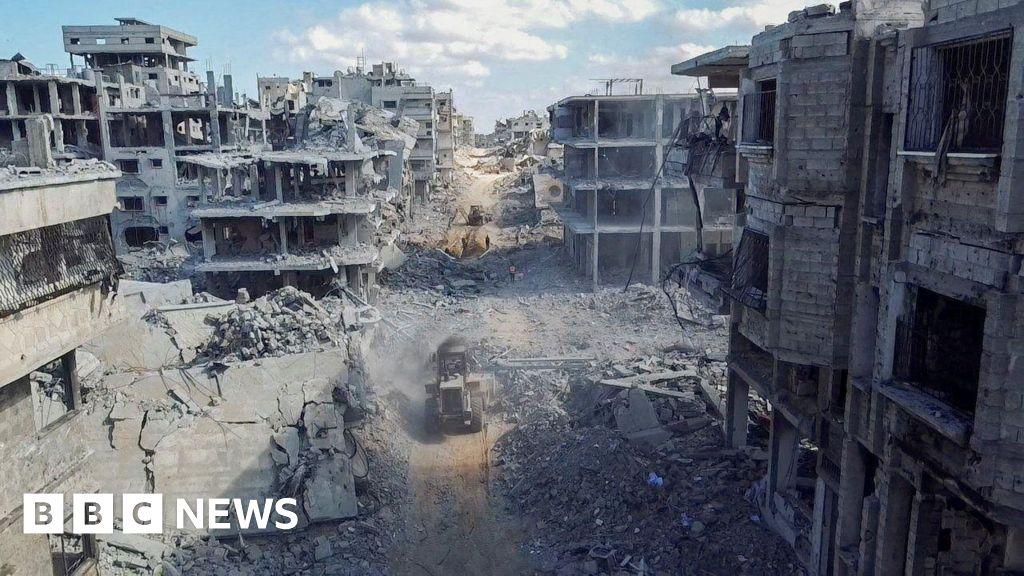
Asharq Al-Awsat says aid trickling in is around 560 metric tons daily, far below the needs, and notes global famine declarations that Israel disputes. RFI adds that about a hundred ambulances are idling at Rafah to evacuate patients. The Straits Times reports UN officials calling the devastation catastrophic, with smashed water systems and shattered infrastructure.
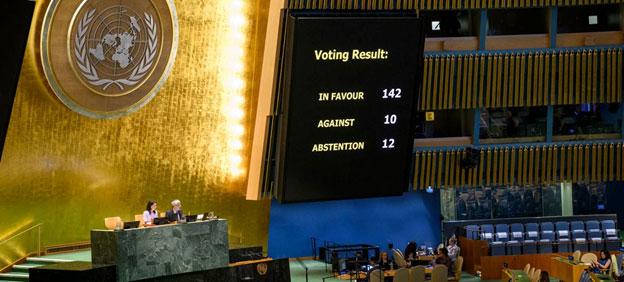
BBC reports that a UN commission accused Israel of committing genocide in Gaza, a charge Israel denies. This accusation underscores why many characterize Israel’s blockade and bombing as part of a Gaza genocide.
Ceasefire Violence in Gaza
Israel continues to kill Palestinians during the ceasefire. BBC reports Israeli soldiers killed 11 members of one Palestinian family with a tank shell, the deadliest single incident involving Israeli soldiers since the ceasefire began. The army claimed it targeted a “suspicious vehicle” that crossed a disputed boundary.
“11 members of a Palestinian family were killed by an Israeli tank shell in Gaza... The Israeli military stated the attack targeted a 'suspicious vehicle' that allegedly crossed a disputed boundary known as the 'yellow line'.”
Blick and L’Express report Israeli tank fire killed nine people, including a family on a bus. The army said it fired after warning shots at a vehicle crossing the ceasefire line. The Globe and Mail likewise reports the army killed nine, including women and children, asserting self-defense after a vehicle entered an Israeli-controlled area.
Le Monde adds that Gaza’s health ministry counted 29 deaths and 21 injuries within 24 hours during the same period. These are Israeli attacks killing civilians during a ceasefire, which Hamas and Palestinian authorities call ceasefire violations.
Body Exchanges and Crossing Closure
Even as bodies are exchanged, Israel’s closure obstructs recovery and return. Tribune India reports Hamas handed two coffins of deceased Israeli hostages to the Red Cross for transfer to Israeli forces. La Nouvelle République says Hamas handed over two bodies on October 18, while Israel returned 15 Palestinian bodies and that the ceasefire set a 15:1 ratio for body returns.
BBC confirms Israel returned 15 bodies to Gaza on one day. Blick and La Nouvelle République report Hamas says closing Rafah delays body recovery because equipment needed to find remains under rubble cannot enter.

The Globe and Mail adds Israeli hostage families rally weekly to demand all remains back. Israel ties reopening Rafah to more body returns, using the crossing as leverage during the ceasefire.
International Views on Gaza Crisis
International accounts differ on how to frame the situation in Gaza. The Straits Times reports UN relief chief Tom Fletcher describing Gaza as “catastrophic.” Le Monde lists over 68,000 Palestinians killed and notes that Israel struck Lebanon during a ceasefire with Hezbollah.
“UN relief chief Tom Fletcher... described the situation as catastrophic, with much of Gaza’s infrastructure destroyed after two years of conflict.”
Le Temps shares a UN special rapporteur’s concern that Israeli strikes in southern Lebanon could amount to war crimes. Le Temps also quotes the World Food Programme calling for the opening of all crossings to address famine. Ipsnews.net argues that Israel’s actions constitute war crimes and urges Israelis to push for political change.
Ipsnews.net even endorses the Trump plan as a potential path to a two-state solution. Infos-israel.news summarizes Western governments’ concern but their acceptance of Israeli security justifications.
Infos-israel.news describes the closure as a pressure tactic, stating that “Rafah has become a symbolic frontline, representing the tension between hostage dignity and Gaza’s survival.” Together, these perspectives indicate that Israel’s closure policy worsens a humanitarian disaster linked by many observers to possible war crimes or genocide.