Gaza Genocide22 October, 20253 min read
Netanyahu Rejects Turkish Troop Deployment in Gaza Amid Israeli Military Occupation
Netanyahu firmly rejects any deployment of Turkish troops in Gaza to monitor ceasefire. US Vice President JD Vance supports a constructive Turkish role in Gaza despite Israeli opposition.

11 outlets told this the same way.
Outlets did split on Israel Marks Oct. 7 Anniversary With Strikes on Gaza, Netanyahu Faces Election After Nova Tribute →
Turkey's Role in Gaza Ceasefire
Israeli Prime Minister Benjamin Netanyahu publicly ruled out any Turkish troop deployment in Gaza. He asserted that Israel will not allow Turkish forces as part of a ceasefire monitoring mission. This stance was expressed even as U.S. officials praised Turkey’s potential role.
“Israeli Prime Minister Benjamin Netanyahu firmly rejected any Turkish military involvement in Gaza, contrasting with US Vice President JD Vance’s earlier statement that Turkey could play a ‘constructive role’ in stabilizing the enclave.”
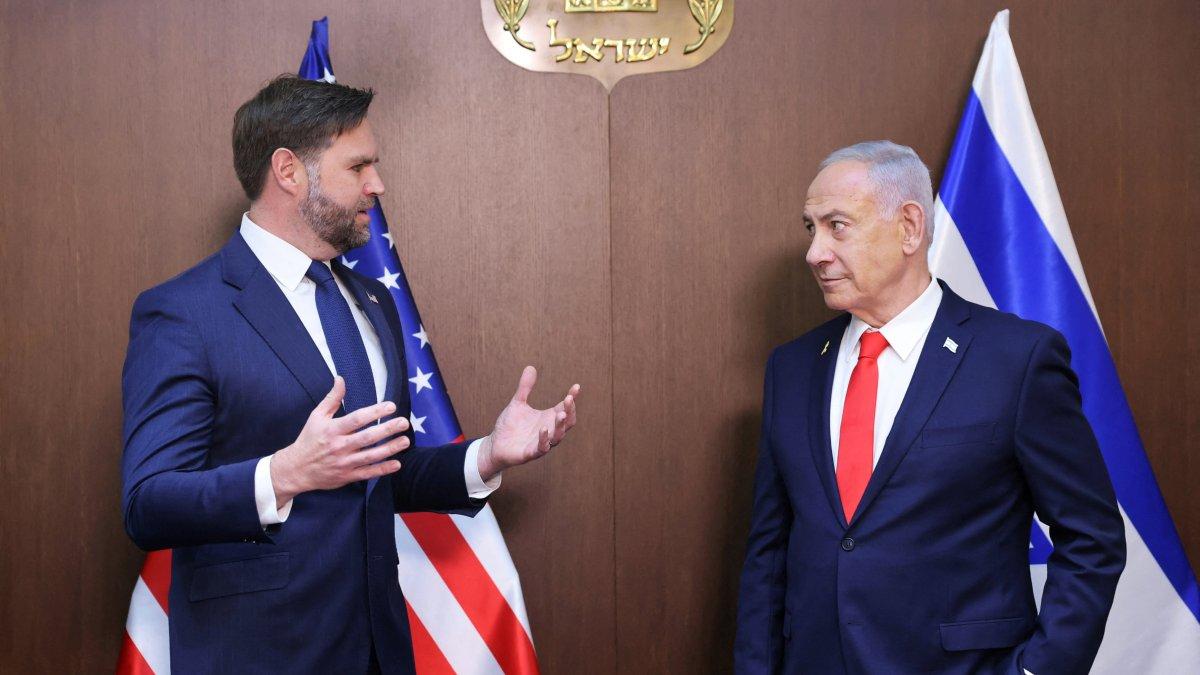
Multiple outlets report that Netanyahu’s position was delivered during Jerusalem meetings with a U.S. vice president. Some sources name JD Vance as the vice president involved, while others name Mike Pence. U.S.-aligned coverage notes Washington’s view that Turkey could play a constructive role.
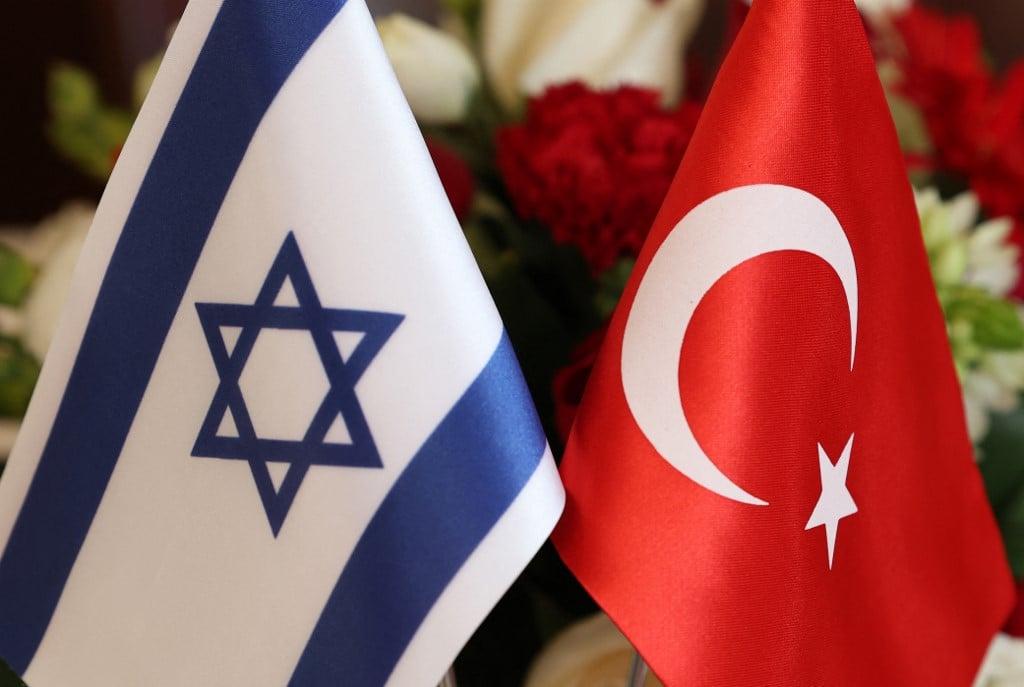
It also clarifies that no U.S. ground troops will enter Gaza and any Turkish deployment would require Israeli approval. Turkish and regional sources add that Ankara has signaled readiness to join an international stabilization and monitoring force tied to reconstruction and ceasefire enforcement.
Gaza Security Transition Conditions
Netanyahu is conditioning any security transition in Gaza on the disarmament of Hamas first. He opposes deploying Palestinian Authority (PA) security forces before Hamas disarms. Several outlets place this condition inside the second phase of President Donald Trump’s Gaza plan.
The plan calls for disarmament, an internationally supervised Palestinian governing committee or new authority, and an international stabilization and monitoring force. U.S. officials are reported to be optimistic about the ceasefire’s prospects but emphasize that no U.S. ground troops will be deployed. Some analyses highlight Turkey’s potential role in enforcement and disarmament due to Ankara’s ties with Hamas and its regional influence.
Turkey's Role in Ceasefire Efforts
Turkey signals it is ready to help enforce and monitor the ceasefire on the ground or through civilian support. Several sources say the U.S. values Ankara’s role and credits Turkey with helping persuade Hamas to accept the plan. Ankara’s readiness is framed as part of a broader international stabilization force for monitoring and reconstruction.
“The US values Turkey’s role, crediting Ankara for helping broker the ceasefire, and Turkey has expressed willingness to join an International Stabilization Force (ISF) to monitor the ceasefire and aid Gaza’s reconstruction.”
One Asian outlet reports Turkey will join a joint task force with Israel, the U.S., Qatar, and Egypt to locate the bodies of hostages in Gaza. Israel’s categorical opposition to Turkish troops places a direct obstacle to these roles and risks undercutting Ankara’s renewed engagement in the process.
Casualties and Ceasefire Challenges
On-the-ground reality remains deadly. According to one detailed account, Israeli forces killed at least 88 Palestinians after the ceasefire began, while militants killed two Israeli soldiers. That same reporting attributes more than 68,000 Palestinian deaths to Israeli air and ground strikes overall.
It states that Hamas continues to assert control in Gaza by deploying armed men and suppressing dissent. Other outlets describe the ceasefire as fragile and refer to two years of Israeli conflict with Hamas prior to this pause. These sources underscore how fragile enforcement will be if Israel refuses to accept outside monitors it does not control.
Diplomatic Challenges in Military Coordination
Diplomatically, key uncertainties persist. One source reports Netanyahu’s stance followed disagreements with Egyptian intelligence over Turkish participation. Another source says the U.S. inaugurated a coordination center in Israel to manage implementation.
“Netanyahu’s office emphasized there would be no Turkish participation following reports of a disagreement with Egyptian intelligence over the issue.”
Analysts emphasize that Israel’s refusal to accept Turkish troops could be a symbolic defeat Ankara will not accept. Washington signals there will be no U.S. ground troops and that Israeli approval would be required for any Turkish deployment. Even basic attributions in some coverage diverge—some say Pence, others Vance—underscoring confusion in U.S. interlocutors as Trump’s plan moves to its next phase.
