Netanyahu Says US-Israeli Campaign Against Iran Saved Israel From Nuclear Annihilation
Key Takeaways
- Qatar mediators are actively involved in US-Iran talks to end the war.
- A comprehensive US-Iran deal to halt hostilities is near completion.
- Netanyahu-Trump alliance faces strain amid Iran deal negotiations.
Netanyahu frames Iran deal
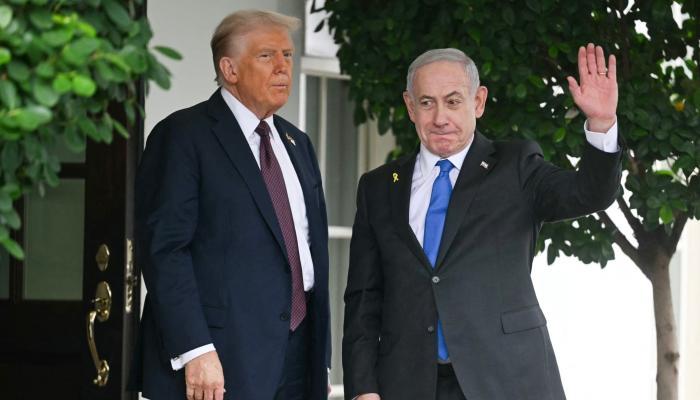
Israeli Prime Minister Benjamin Netanyahu said on June 15 that the joint US-Israeli military campaign against Iran had spared Israel from what he described as the Islamic republic’s threat of “nuclear annihilation”.
Speaking at a televised press conference, Netanyahu said, “The most important thing is that we saved the State of Israel from the threat of nuclear annihilation,” and he pledged that “With an agreement or without one, Iran will not have nuclear weapons,” adding “Not today and not tomorrow”.
Netanyahu also said the US and Israeli campaign had struck “every possible infrastructure target” in Iran and listed achievements including “We neutralised their nuclear scientists, decapitated the leaders of the terror regime, crushed the nuclear facilities, destroyed missiles, and destroyed the overwhelming majority of factories producing missiles.”
He argued that the campaign created a “credible military threat” to underpin any future agreement, and he said Israel would remain in Lebanon, Gaza, and Syria for “as long as necessary”.
The Straits Times reported that Netanyahu made the remarks in his first public comments since the United States and Iran announced an agreement in the early hours of June 15 to end the Middle East war.
Trump, Israel clash over terms
As the US and Iran agreed to halt war, Netanyahu faced a “collision course” with Donald Trump, with both men’s goals unmet and Israel’s military operations tied down in Lebanon, according to the Kuwait Times.
A senior Israeli official told Reuters on condition of anonymity that the preliminary agreement was “terrible for (the Zionist entity),” and the Kuwait Times said there was “no one in the (Zionist entity’s) leadership who views it otherwise, from the prime minister to the chief of staff.”

The Kuwait Times reported that Washington said over the next 60 days, when a ceasefire is in place, it would negotiate full terms addressing concerns over Iran’s nuclear program, while Israeli officials told Reuters they expected the negotiating period to be extended and that Israel’s hands would be tied from taking military action.
It also described repeated clashes over Israel’s refusal to constrain its pursuit of Iran-backed Hezbollah in Lebanon, and said Trump described Netanyahu as “crazy” in an angry phone call ordering him not to strike Beirut while the US was seeking a deal with Iran.
The Kuwait Times added that mediator Pakistan said the memorandum of understanding was expected to be signed on Friday in Switzerland and that it called for a permanent halt to military operations on all fronts, including in Lebanon.
What’s at stake next
The Express Tribune said the US-Iran deal may silence the guns but “cannot alter the verdict of more than three months of war,” leaving Iran politically emboldened and Gulf confidence in US protection “deeply shaken”.
It reported that the memorandum of understanding, to be signed on Friday, provides for a 60-day cessation of hostilities while the two sides negotiate a permanent settlement, including disputes over Iran’s enriched uranium stockpile.
The Express Tribune also said the deal appears “unfavourable to Israel,” according to three Israeli officials, because it omits core demands including dismantling Iran’s enrichment capability and curbs on its missile programme.
It further reported that Netanyahu raised the issue directly with Trump, and that his office stressed Israel was not party to the agreement and outlined conditions for a final deal ending Iran’s nuclear ambitions.
The Express Tribune quoted Middle East scholar Fawaz Gerges saying, “The Gulf states don’t trust Iran. They had hoped the United States would bring about regime change. The reverse has happened,” and added that “Now more and more Gulf rulers realise they cannot depend on the US, or Israel to deliver security or stability.”
More on Iran

Donald Trump Says US-Iran Deal Reopens Strait of Hormuz, Lifts Naval Blockade
11 sources compared

Donald Trump Says U.S. and Iran Reached Deal To Reopen Strait of Hormuz
21 sources compared
US-Iran Peace Deal Reopens Strait of Hormuz, Ends Naval Blockade, Defers Nuclear Talks
14 sources compared
Trump And Iran Sign Memorandum, Reopen Strait Of Hormuz, Start 60 Days Of Nuclear Talks
14 sources compared