
Netanyahu Vows Force After Israel Strike Halts Iran Rocket Barrages With Trump Involved
Key Takeaways
- Trump's intervention led to a temporary halt to Israel-Iran-Hezbollah strikes.
- Netanyahu vows to respond with force to future attacks from Iran or Hezbollah.
- Israel conducted retaliatory strikes on Beirut’s suburbs and southern Lebanon.
Ceasefire, rockets, and Beirut
Iran and Israel announced a halt to the exchange of attacks with the involvement of U.S. President Donald Trump, ending the first direct confrontation since the April 8 ceasefire, but the arrangement remained contested over whether any attack on Lebanon would trigger a direct response against Israel.
“The ceasefire between the United States, Israel and Iran that began on April 8 is balanced, by all accounts, on a knife’s edge”
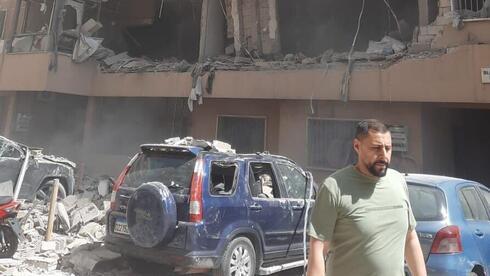
The spark began Sunday evening with an Israeli strike on the southern Beirut suburb, Hezbollah's stronghold, and Iran responded with rocket barrages on northern Israel after which Tel Aviv carried out airstrikes inside Iran.

According to the Israeli army, Iran fired about 30 rockets, while Tehran said two members of the air defense forces were killed and 15 people were injured by the Israeli attacks.
In a videotaped statement, Israeli Prime Minister Benjamin Netanyahu acknowledged the halt in fighting with Iran on Monday (June 8, 2026) but vowed to respond “with force” to future attacks if Iran “makes the mistake and returns to attacking us.”
Narratives collide, US pressure
Tehran framed the episode as imposing a new rule by force, with parliament speaker and lead negotiator Mohammad Bagher Ghalibaf saying his country broke the ceasefire equation “written on paper and is violated in practice on the ground.”
Foreign Ministry spokesman Ismail Bagai held Washington responsible for the escalation, saying no one believes that the Zionist entity will act without prior coordination with the United States, and warned that any action against Iran's allies would be met with a “decisive and costly response.”

On the Israeli side, Defense Minister Yisrael Katz said his country rejects Iran's threats outright and that any attempt to link Lebanon with Iran and attack Israel would be met with overwhelming force.
Channel 12 reported that Tel Aviv halted its attacks on Iran at Trump's request, but would continue hitting southern Lebanon in the coming days, while Channel 13 reported Trump encouraged Netanyahu for a limited swift strike amid cabinet disagreements involving Finance Minister Bezalel Smotrich and National Security Minister Itamar Ben-Gvir.
Lebanon as the breaking point
Al Jazeera described the April 8 ceasefire between the United States, Israel and Iran as balanced “on a knife’s edge,” noting that even after Trump called on both sides to “stop shooting,” Israel’s strikes on southern Lebanon continued.
The outlet said Iran’s strikes and Israel’s strikes were both tied to the Lebanon condition, with Iran insisting that any agreement with the US to end the regional conflict must include a ceasefire between Israel and the pro-Iran Hezbollah.
Iran’s Foreign Minister Abbas Araghchi said, “This war will end only when it ends in Lebanon, as well,” while the same report said Israel wanted to separate the Lebanon track from the Iran track.
Al Jazeera also quoted former Israeli ambassador and consul general in New York Alon Pinkas saying Netanyahu was “in a major bind, both political and diplomatic,” and cited Naftali Bennett’s warning that “Dahiyeh [Beirut’s southern suburbs] must tremble until security returns to the north.”
More on Lebanon

Netanyahu Urges Lebanese To Join Israel, Reject Hezbollah And Iran Amid Strikes
18 sources compared

Israeli Strikes On Tyre Kill Five, Wound Eight; Army Orders Evacuation Of Zakouk El-Mefdi
14 sources compared
Gunman In Military Uniform Killed After Firing On Israeli Troops At Lebanon Border
13 sources compared
Israel Strikes Beirut’s Dahieh After Hezbollah Fires Toward Israeli Territory, Netanyahu Says
13 sources compared