Europe29 September, 20263 min read
Netherlands Bans West Bank, East Jerusalem, Golan Products, Customs Inspectors Check Schiphol Luggage
This article is an automated aggregation of coverage from news outlets. Our editorials offer in-depth analysis curated by the NewsCord team.
Netherlands bans entry of West Bank, East Jerusalem, and Golan Heights products. Schiphol checks ask about luggage from those areas, affecting Israeli travelers.
5 outlets told this the same way.
Outlets did split on Azerbaijan Bars Hijab in Schools, Sparking Protests in Baku and Arrests →
The Jerusalem Post was read line by line by the Watchdog: 3.8. See the score →
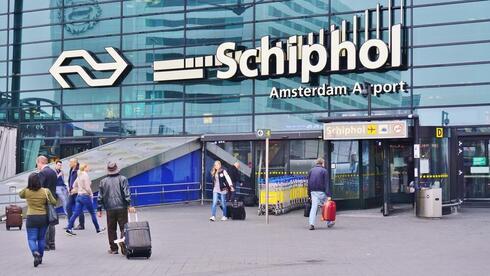
Dutch ban at Schiphol
The Netherlands took effect on September 22 with an order banning the import, purchase, sale and commercial brokerage of products originating in what the Dutch government defines as “illegal Israeli settlements” in the West Bank, East Jerusalem and the Golan Heights. The order set to remain in force for three years and violating it may constitute a criminal offense, and Dutch customs guidelines said the ban also applies to products in passengers’ personal luggage, including gifts, souvenirs and items for personal use.
Passengers arriving at Schiphol from Tel Aviv said customs checks asked whether they were carrying products originating in the territories, and Dutch customs officers were authorized to inspect luggage and ask travelers about the origin of products they find. The Netherlands also applied the measure to private travelers, and the ban covered products purchased before the order took effect and remained valid even if a traveler entered the Netherlands through another EU country.

Israel retaliates on diplomats
Foreign Minister Gideon Sa’ar announced that Dutch diplomats serving in connection with the Palestinian Authority in Ramallah would be required to return the diplomatic documentation issued to them by Israel, and the immunities and privileges granted to them would expire once that period ends. The Israeli Foreign Ministry said, “If the Netherlands wishes to continue representing its interests vis-à-vis the Palestinians, it can do so from Palestinian Authority territory and not from the territory of the State of Israel,” as Israel framed the diplomatic move as a response to Dutch customs checks.
Dutch Foreign Minister Tom Berendsen expressed regret over the Israeli decision and called it unnecessary, and he said the ban on settlement products was not directed against Israel but stemmed from what the Netherlands sees as its obligation not to contribute to a situation that violates international law. Israel’s ambassador to the Netherlands, Zvi Vapni, was informed that he would be summoned for a reprimand at the Dutch Foreign Ministry over Israel’s retaliatory measures, including the cancellation of diplomatic documentation for members of the Dutch mission in Ramallah.
Israeli claims of invasive checks
Gilad Cohen told The Jerusalem Post that the Dutch measure banning the entry of products from the West Bank into the Netherlands was “outrageous and offensive,” and he argued it was leading to Israelis being singled out and treated differently from other travelers. Cohen said, “It allows Dutch customs officials to open the luggage of visitors from Israel and check whether they have brought products from Judea and Samaria, east Jerusalem, or the Golan Heights,” and he added that anyone caught importing such products could face up to six years in prison.
The Israeli Foreign Ministry warned its citizens that they could face difficulties and “lengthy” and “invasive” luggage checks at Dutch airports after the trade ban came into effect, and it said the ministry released the statement after passengers from an El Al flight from Tel Aviv arrived in Amsterdam. The Jerusalem Post reported that Cohen said Israel was working to prevent the Dutch policy from spreading to other European countries, while he also said Israel reserved the right to respond to each case individually.