Full story
Dialogue starts, but by phone
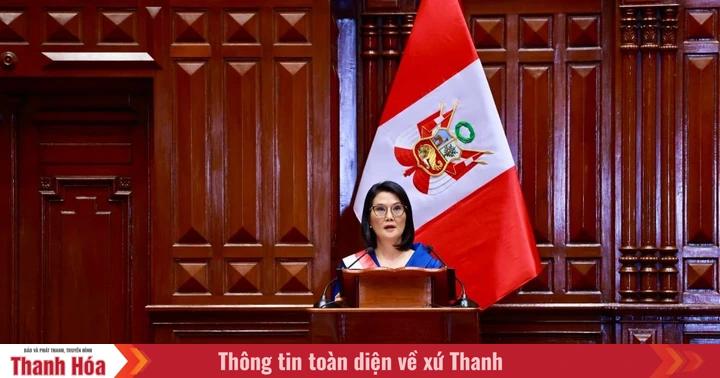
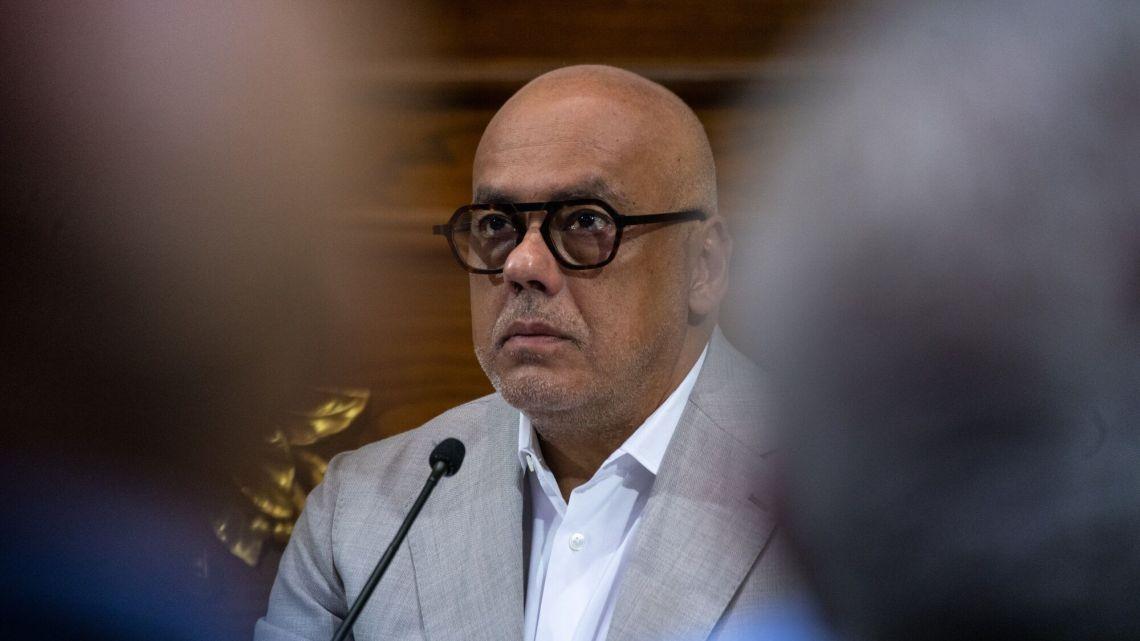
Venezuela entered its ninth government-opposition dialogue on August 1, with Nicolás Maduro’s capture and the June 24 twin earthquakes shaping the context, and the process now centered on a new negotiating table between Dinorah Figuera and Jorge Rodríguez.
“In that conversation we shared the makeup of the working delegations and agreed on the first in-person meeting in Caracas next week.”
The first public step came as a phone call, with Jorge Rodríguez saying, "In that conversation we shared the makeup of the working delegations and agreed on the first in-person meeting in Caracas next week."
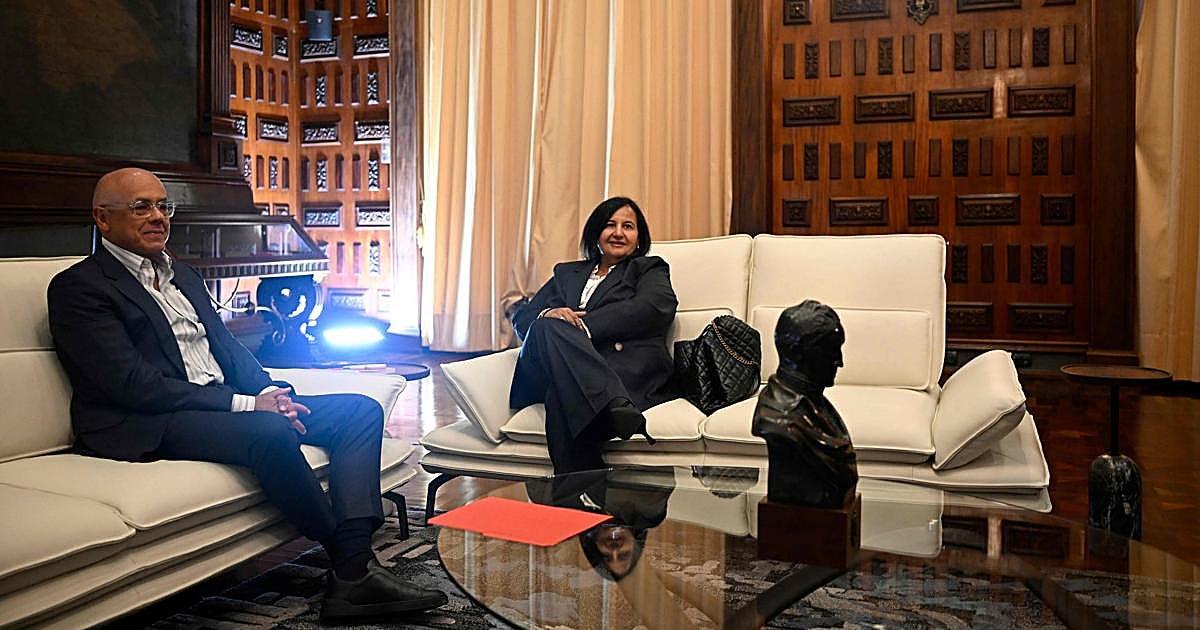
Figuera’s statement framed the agenda around three topics, including "attention" to the back-to-back earthquakes of June 24, alongside strengthening democracy and political rights and guarantees.
The stakes of the disaster were quantified in the sources, with more than 5,500 people dying in the twin earthquakes of June 24, at least 16,740 injured, and nearly 18,000 losing their homes.
The process is also described as backed by the United States, with Figuera thanking the United States and Secretary of State Marco Rubio for accompanying the transition in Venezuela.
Delegations, exclusions, and pressure
The government delegation for the talks is described across sources as including Jorge Rodríguez plus figures such as Ana María Sanjuán, Pedro Infante, América Pérez, Génesis Garvett, and Jorge Arreaza, while Figuera’s side includes former opposition deputies Marco Aurelio Quiñones, Ramón López, Jorge Millán, Juan Miguel Matheus, and Sergio Vergara.
Figuera’s statement also described her support commission, and the process is repeatedly tied to U.S. involvement, with the Diario Las Américas account quoting her thanks: "We thank the United States and the Secretary of State, Marco Rubio, for accompanying the transition in Venezuela."

CNN en Español reports that the conversations were postponed from August 1 to next week, with Jorge Rodríguez saying, "We have established a working agenda with clear and verifiable goals," as details remained scarce in the lead-up.
The LatinAmerican Post account places the dialogue in a longer cycle of failed accords dating back to 2014 and notes that María Corina Machado and Edmundo González Urrutia, both outside the country, will not participate, saying they did not design the process and want measurable results.
It also describes the core political dilemma as whether the talks are about a democratic transfer or the terms of Chavismo’s survival, with Jorge Rodríguez providing continuity as Maduro is gone from office.
What’s at risk next
The sources tie the dialogue’s immediate agenda to earthquake recovery and to political institutions, with the EFE account saying the commitment was to address "political rights and guarantees" and to care for victims of the earthquakes of last June.
“address 'political rights and guarantees' in the South American country”
EFE also reports that the first in-person meeting is planned for "next week" in Caracas, while the process begins with uncertainty about location, time, and members, and it notes that the phone call between Jorge Rodríguez and Dinorah Figuera set the schedule.
The LatinAmerican Post frames the broader risk as a struggle over what survives after Maduro’s removal, with reconstruction aid and electoral concessions potentially becoming "political currency" if commitments lack enforcement.
El Mundo describes the plan as reaching December with a new National Electoral Council (CNE) and a path to reopen the polls, while also stating that the five commissioners of the CNE would be accompanied by an update of the electoral census and an audit of the electronic system.
Against that backdrop, the sources emphasize that the dialogue’s credibility is contested by opposition exclusions and by demands for measurable outcomes, including the absence of María Corina Machado and Edmundo González Urrutia from participation.