USA15 September, 20263 min read
North Carolina Tightens Voting Rules After Republicans Take Control of Elections Boards
This article is an automated aggregation of coverage from news outlets. Our editorials offer in-depth analysis curated by the NewsCord team.
Republicans gained control of North Carolina election boards and enacted new voting rules. Rules include curtailed Sunday voting and tightened mail-in ballot processing procedures.
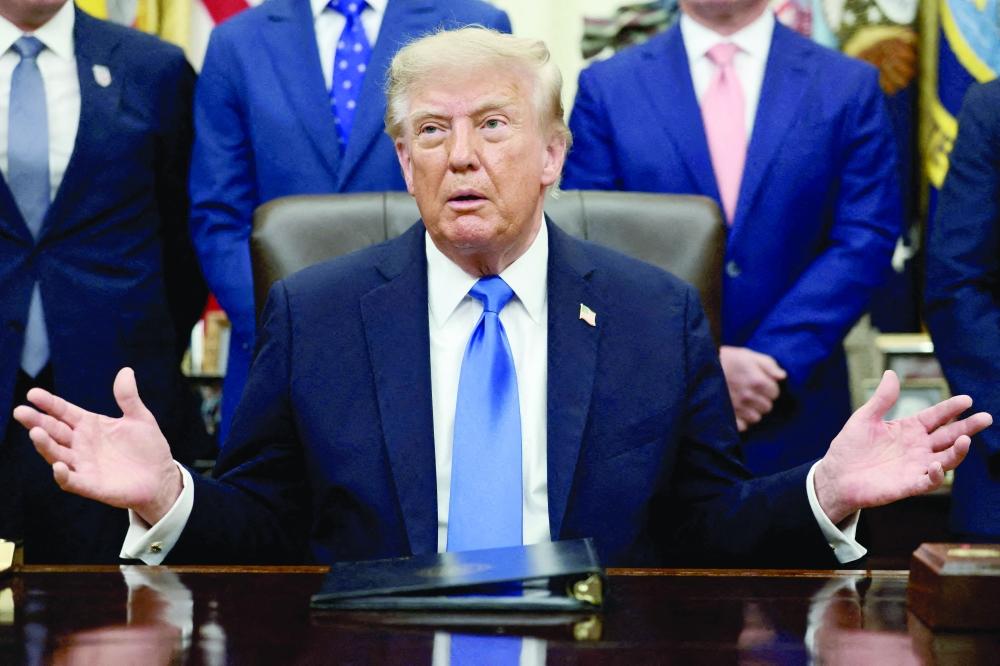
North Carolina tightens rules
North Carolina tightened voting rules ahead of the 2026 midterm elections after Republicans took control of elections boards and Democrats warned the changes could affect turnout in competitive races for the U.S. Senate, House of Representatives, and state offices.
“On September 4, the North Carolina Board of Elections decided not to count ballots returned without a sealed inner envelope.”
Since the 2024 election, the state restricted Sunday voting, introduced new requirements for processing mail-in ballots, and changed how election boards are formed, including stripping Democratic Gov. Josh Stein of the authority to appoint members of the state Board of Elections.

On September 4, the North Carolina Board of Elections decided not to count ballots returned without a sealed inner envelope, and only close relatives or legal guardians may now deliver mail-in ballots on behalf of most voters.
If a voter does not correct problems with a ballot, it will be deemed spoiled, canceled, and replaced with a new one, and critics said technical errors could lead to some votes being rejected.
In 2024, about 5% of North Carolina’s 5.7 million voters chose to vote by mail, and as of Tuesday, of 67,990 ballots requested, about 42% were Democrats, more than 17% were Republicans, and approximately 40% were voters unaffiliated with either party.
Court blocks Trump mail limits
At the federal level, the U.S. Supreme Court rejected President Donald Trump’s attempt to restrict mail-in ballots for the midterm elections, ending a wave of last-minute legal actions as voting was already underway.
The decision allows states to continue sending ballots by mail using the same procedures they have used for years, which have accounted for nearly a third of ballots cast, and two justices, Samuel Alito and Clarence Thomas, publicly dissented.

In a concurring opinion, Justice Brett Kavanaugh agreed the restrictions should not take effect for the midterm elections but indicated he could side with the Trump administration if the matter returns to the court at a later date.
Washington Secretary of State Steve Hobbs said the decision means that the work to “conduct safe, secure, and accurate elections” can proceed “without having to upend our election processes to meet unrealistic requirements for mailing ballots.”
In Arizona, Democratic Secretary of State Adrian Fontes said it is “crucial for us to continue rejecting the notion that access and security are mutually exclusive when it comes to conducting sound elections.”
Reactions and what’s at stake
Trump criticized the Supreme Court for rejecting his efforts to restrict voting by mail, writing on social media that “These are not the people I interviewed.”
The same report said Trump’s administration had mounted a last-minute bid to have the U.S. Postal Service play a central role in determining who would receive a mail ballot, but state election officials pushed back that there was not enough time for changes for the November 3 midterm election.
In North Carolina, Democrats said the newly reconstituted, Republican-dominated State Board of Elections “has waged a campaign to silence many North Carolinians at the ballot box,” while the state GOP rejected the characterization and said “reasonable election safeguards and administrative decisions amount to voter suppression.”
Republicans defended the September 4 absentee ballot directive as “a ballot security issue to make sure that the voter’s will and intent is being followed through,” and they argued voters would have a record number of early voting locations this fall.
The stakes were framed through prior close outcomes, including Democrat Allison Riggs defeating Republican Jefferson Griffin by just 734 votes after a six-month legal battle, and the North Carolina Supreme Court election remained a “telling example” of how small turnout changes could decide races.