North Korea19 October, 20252 min read
North Korean Soldier Defects to South Korea by Crossing Militarized Border
North Korean soldier crossed central portion of heavily fortified land border on Sunday South Korean military took custody of soldier who expressed desire to resettle in South

15 outlets told this the same way.
Outlets did split on South Korea Plans To Train 500,000 Drone Warriors To Counter North Korea →
North Korean Soldier Defection
A North Korean soldier crossed the Military Demarcation Line inside the Demilitarized Zone on Sunday and surrendered to South Korean forces. The South Korean forces tracked, identified, and took him into custody. Multiple outlets report the soldier expressed a desire to resettle in the South.
“The soldier, who crossed the central part of the Demilitarized Zone (DMZ), expressed a desire to resettle in South Korea and is now in South Korean custody.”
Several sources specify he crossed through the central sector of the DMZ. South Korean authorities are proceeding with standard post-defection procedures after the apprehension. While direct crossings are rare, this incident aligns with a small number of recent cases across the fortified land border.
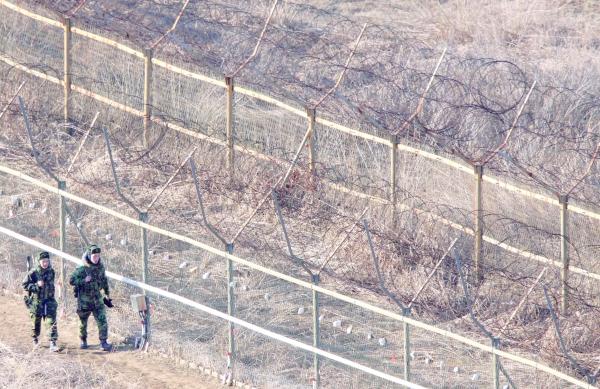
North Korean Soldier Defection
Outlets agree the crossing is unusual because land defections through the DMZ are rare and dangerous. Several identify this as the first reported land-border defection by a North Korean soldier since August 2024, while others characterize it more broadly as the first in over a year. Reports also contextualize the perilous nature of such crossings—citing land mines, barbed wire, tank traps, and armed troops—and recall prior incidents, including a high-profile 2017 case and a civilian rescue this April.
Defector Incident and Investigation
Analysts cited by regional outlets suggest the defector’s familiarity with the area likely aided navigation through mines and surveillance. They also note that Pyongyang will view the incident negatively because the soldier may provide intelligence on troop movements.
“Analysts note the soldier’s familiarity with the area likely helped him navigate the dangerous terrain.”
South Korea’s military plans to investigate the crossing’s details. Standard screening by intelligence authorities typically follows such arrivals.
Inter-Korean Relations and Defection
The episode unfolds against a tense inter-Korean backdrop. Several outlets stress that North Korea has rebuffed outreach from South Korea’s new president, Lee Jae Myung. Lee Jae Myung pledges a conciliatory approach to reduce tensions without seeking regime change.
Others underline that relations remain strained despite these overtures. They situate the defection within ongoing political friction.

North Korean Defection Patterns
Most of the roughly 34,000 North Koreans who have resettled in the South since the Korean War crossed via China’s border rather than the DMZ. Recent defectors are predominantly women, according to some reports.
“Most of the approximately 34,000 North Korean defectors since the Korean War have escaped via China’s porous border.”
Arrivals typically undergo intelligence screening upon reaching the South. This context highlights how a rare and risky land-border crossing fits into longer-term defection trends.
