
Not only do the anti-aircraft batteries protect the Arab shores of the Gulf.
Key Takeaways
- War between Israel and United States against Iran began, stranding thousands of passengers at Middle East airports.
- Logistical chaos accompanied the initial phase of the conflict.
- Influencers described the situation as if it were the end of the world.
War disruption in GCC
Thousands of passengers from around the world were stranded in the airports of the Middle East as soon as the war between Israel and the United States against Iran began.
“Thousands of passengers from around the world were stranded in the airports of the Middle East as soon as the war between Israel and the United States against Iran began”
The inevitable logistical chaos was quickly joined by the loud complaint of a handful of influencers who described the situation as if it were the end of the world.
The press also noted that the rich who shelter themselves from taxes on the Arab shores of the Persian Gulf discreetly ordered private jets to dash out from Muscat or Riyadh.
But the majority of foreigners in the region do not belong to either of those two categories.
And they have continued working.
Few have paused to reflect on those millions of people who make possible the functioning of the six monarchies of the Arabian Peninsula (grouped in the Gulf Cooperation Council, GCC).
From construction workers, cleaners, cooks or drivers to teachers, doctors, nurses, scientists or bank employees.
Foreign workforce demographics
A few figures will help understand their relevance, their anxieties, and how little the childish dramatization of those who settled there attracted by glitter or to evade taxes represents them.
Half of the 65 million inhabitants are foreign workers seeking both professional improvements and, above all, a job they cannot find in their home countries.
The proportions vary from 40% in Saudi Arabia and Oman to almost 90% in the United Arab Emirates (UAE) or Qatar.
From the UAE, especially from its popular Dubai, have come most of the crocodile tears of those who settled there by choice or whim, without paying attention to the authoritarian nature of their regimes or to the implicit geopolitical risks.
As a reference, the British, the Western group largest in number, were around 300,000 across the GCC (the majority in Dubai); the Spaniards, barely 30,000.
As of March 16, Iranian missiles and drones have caused a dozen deaths and about two hundred injuries in the GCC.
Although in some cases the nationality of the deceased has not been specified, most of them have been identified as Asians: from India, Pakistan, Bangladesh and Nepal, which matches the main immigrant communities in the region.
In the UAE, the country of that group that has received the greatest number of Iranian attacks, Indians account for a quarter of the 11 million inhabitants, doubling the nationals.
Beyond a handful of wealthy families, the bulk of immigrants from the Indian subcontinent work in the toughest sectors such as construction, cleaning and infrastructure maintenance, a pattern that repeats across the region.
Their working and legal conditions vary from country to country, but as human rights organizations periodically report, they generally suffer from exploitative recruitment systems (often by companies in their home countries that offer them to the contractors for packages of hundreds or thousands), lack the right to strike (unions are prohibited) and face restrictions on their return (they need the employer's permission).
Worker conditions and social impact
In the case of Kuwait, the refusal to grant that authorization (a process that is straightforward online) has left several teachers from Arab countries stranded at a moment when classes had been suspended.
“Thousands of passengers from around the world were stranded in the airports of the Middle East as soon as the war between Israel and the United States against Iran began”
Many workers have not even been able to consider leaving because their meager incomes, much of which they send monthly to their families, do not suffice.
Their return home at the end of the contract often depends on their employers.
In fact, the enormous gap that exists between them and the privileged ones stationed in the region by large international companies has crept into language.
Some are considered immigrants and others expatriates.
Television images show empty streets and shopping centers in Dubai, Abu Dhabi or Doha that recall the days of the pandemic.
But that tense calm that is perceived there is not only the result of the extremely expensive anti-aircraft batteries that the petro-monarchies have bought from the United States (and are using with considerable success).
Like then, life is possible thanks to that silent army of workers who continue to keep desalination plants and power stations running, cleaning the homes of locals and expatriates, cooking in the more or less posh restaurants, and delivering meals to those who can afford the luxury of teleworking.
More on Iran
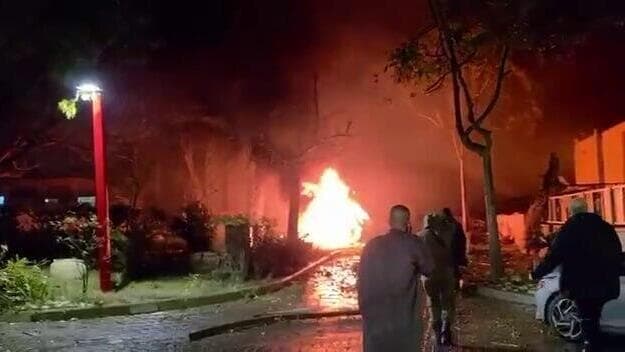
Iranian missiles strike Dimona and Arad, injuring over 100.
47 sources compared
Iran Attacks Dimona in Retaliation for Natanz Strike
44 sources compared

Iran Attacks Diego Garcia with Long-Range Missiles, Targeting U.S.-UK Base
82 sources compared
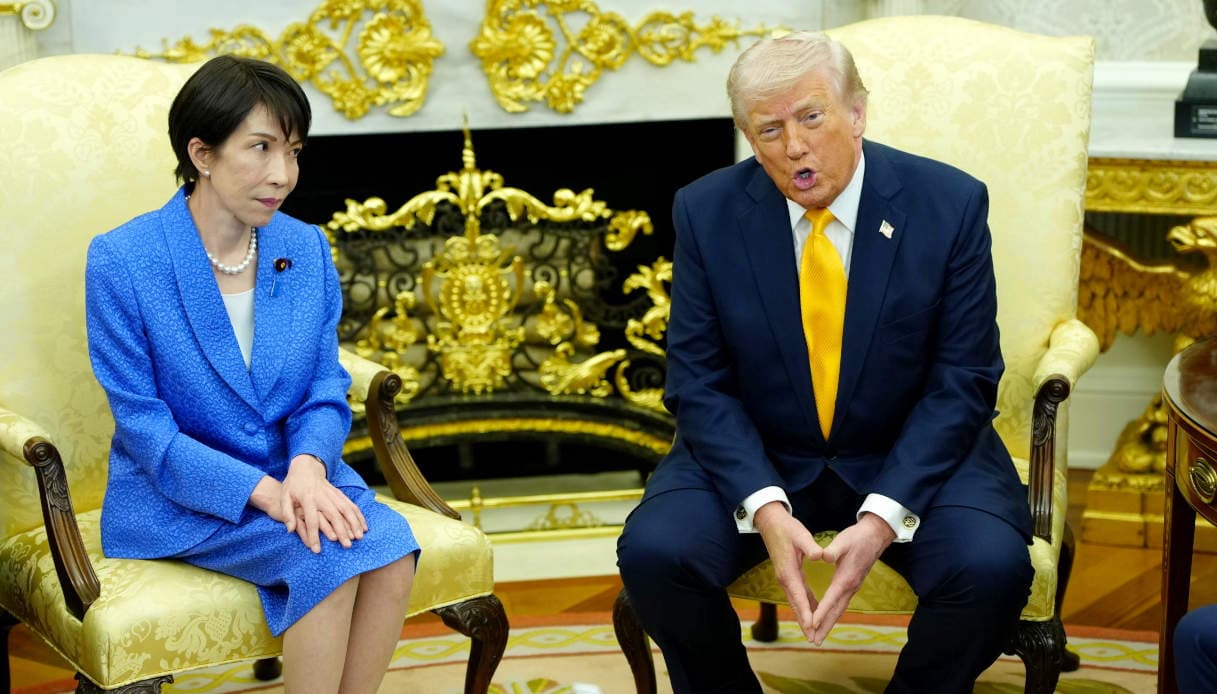
Trump Defends Iran War by Citing Pearl Harbor
12 sources compared