Oahu Bears the Brunt as Statewide Storm Drives $1 Billion in Losses
Key Takeaways
- Wahiawa Dam posed imminent collapse risk, prompting evacuations of thousands.
- Kona Low triggered record rainfall and severe flooding across Oahu.
- Public infrastructure disruptions and closures accompanied the flood emergency.
Historic Flooding
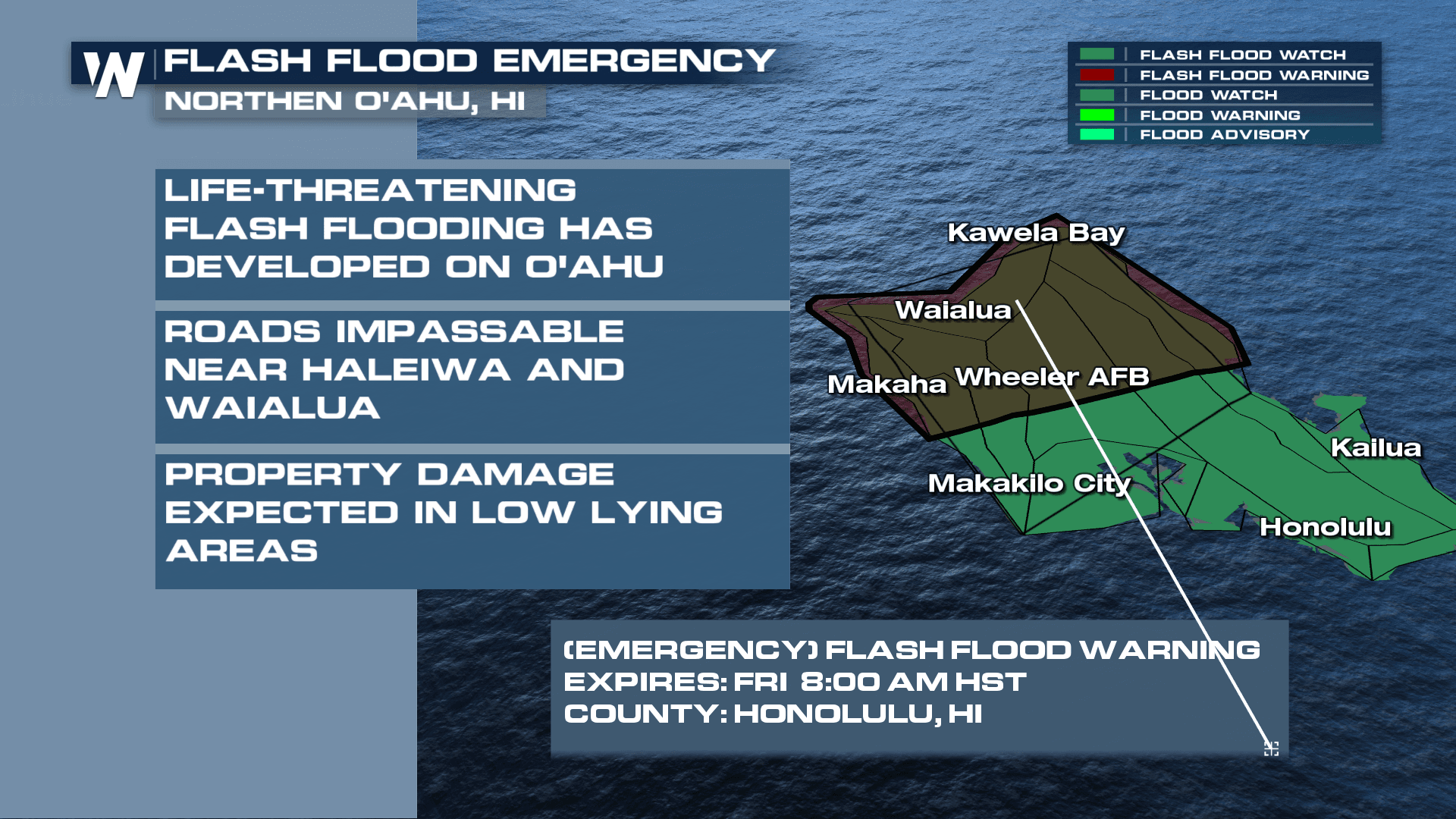
Oahu experienced its most severe flooding in 20 years as a powerful atmospheric river dumped unprecedented rainfall across the island.
“HONOLULU (HawaiiNewsNow) - The island of Oahu was under a Flash Flood Warning for much of Friday”
The storm caused widespread devastation and economic losses exceeding $1 billion.

Governor Josh Green declared this "the largest flood that we've had in Hawaii in 20 years."
Relentless rain triggered widespread flooding, mass evacuations, and at least 233 rescues as streams and reservoirs reached dangerous levels.
The storm was created by an approaching Kona Low weather system.
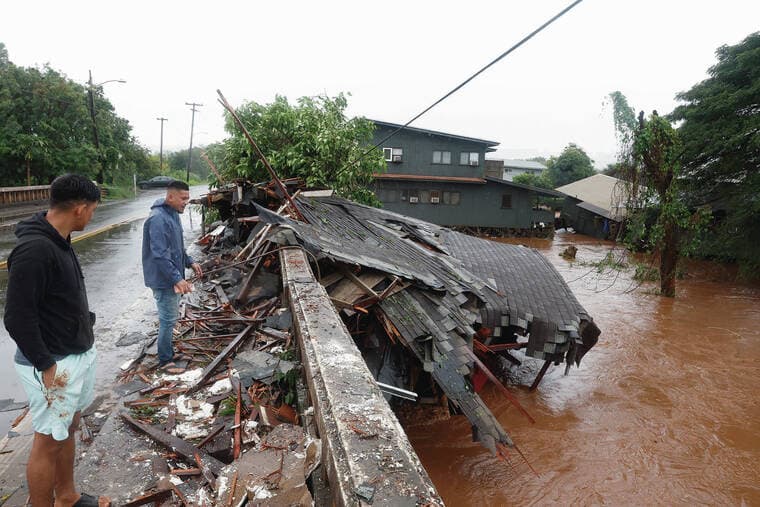
The flooding cut off roads and inundated low-lying areas particularly hard on Oahu's North Shore and Central Oahu.
Emergency officials ordered immediate evacuations as saturated hillsides threatened to give way.
Extreme Rainfall
The storm delivered staggering rainfall totals that overwhelmed the island's drainage systems.
According to data from the National Weather Service in Honolulu, some areas received 8 to 12 inches of rain overnight.
Mount Kaala, the island's highest peak, recorded nearly 16 inches of precipitation in a single 24-hour window.
WeatherNation reported that "rainfall totals from the previous system are almost unfathomable" with "each island having at least one weather station record over 20 inches of rain with hurricane force winds recorded as well."
The Hawaiian experience was particularly severe because this deluge came after another significant storm one week prior.
The previous storm left the soil completely saturated and unable to absorb any additional moisture.
Infrastructure Vulnerability
The storm exposed critical vulnerabilities in Hawaii's aging infrastructure.
“Heavy rains batter Oahu, Hawaii, prompting authorities this Friday to issue an immediate evacuation for about 5,500 people living near Wahiawa Dam, due to the risk that the structure could fail”
The 120-year-old Wahiawa Dam reached dangerous levels and threatened to breach.
This forced emergency evacuations for downstream communities.
The Honolulu Star-Advertiser highlighted that "streams and reservoirs — including the aging Wahiawa Dam — to dangerous levels."
Hawaii News Now reported that "'Imminent risk' of Wahiawa Dam failure triggered evacuation order for Waialua, Haleiwa residents."
Streamline Feed noted that "for those living downstream of the Wahiawa Dam, the fear was compounded by official warnings that the 120-year-old structure might collapse."
The Department of Emergency Management reported that water levels at the dam rose rapidly, threatening to breach.
Residents described the water as "a living entity—fast-moving, muddy, and laden with debris that acted as battering rams against bridges and residential structures."
Emergency Response
Emergency response efforts were massive and challenging as the storm forced thousands of residents to evacuate.
First responders worked tirelessly to conduct rescues and establish emergency shelters.
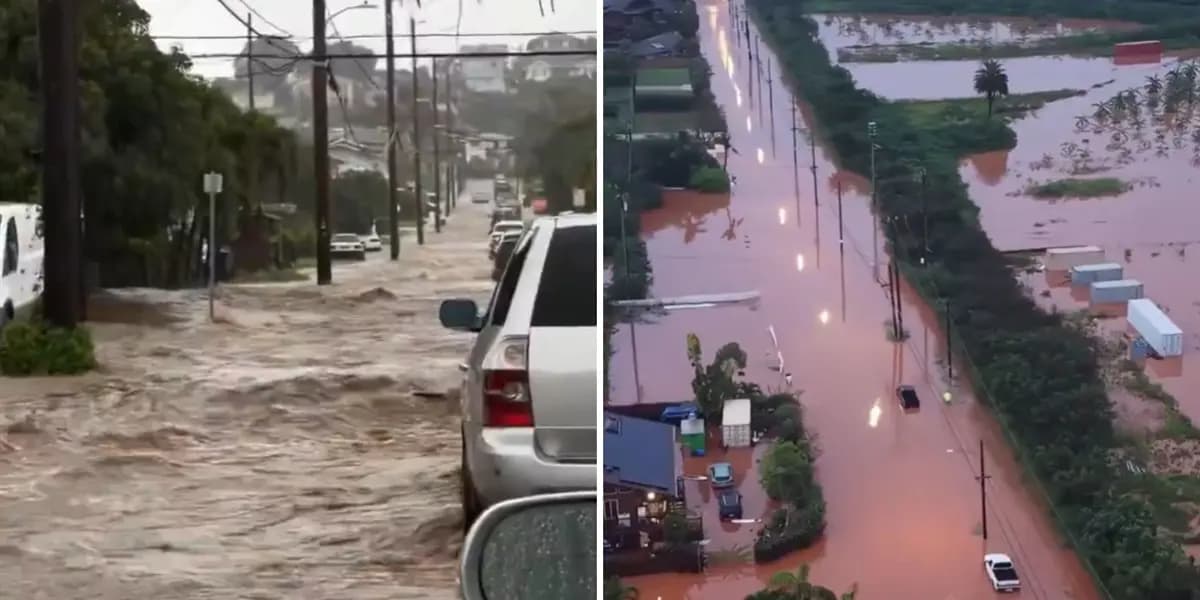
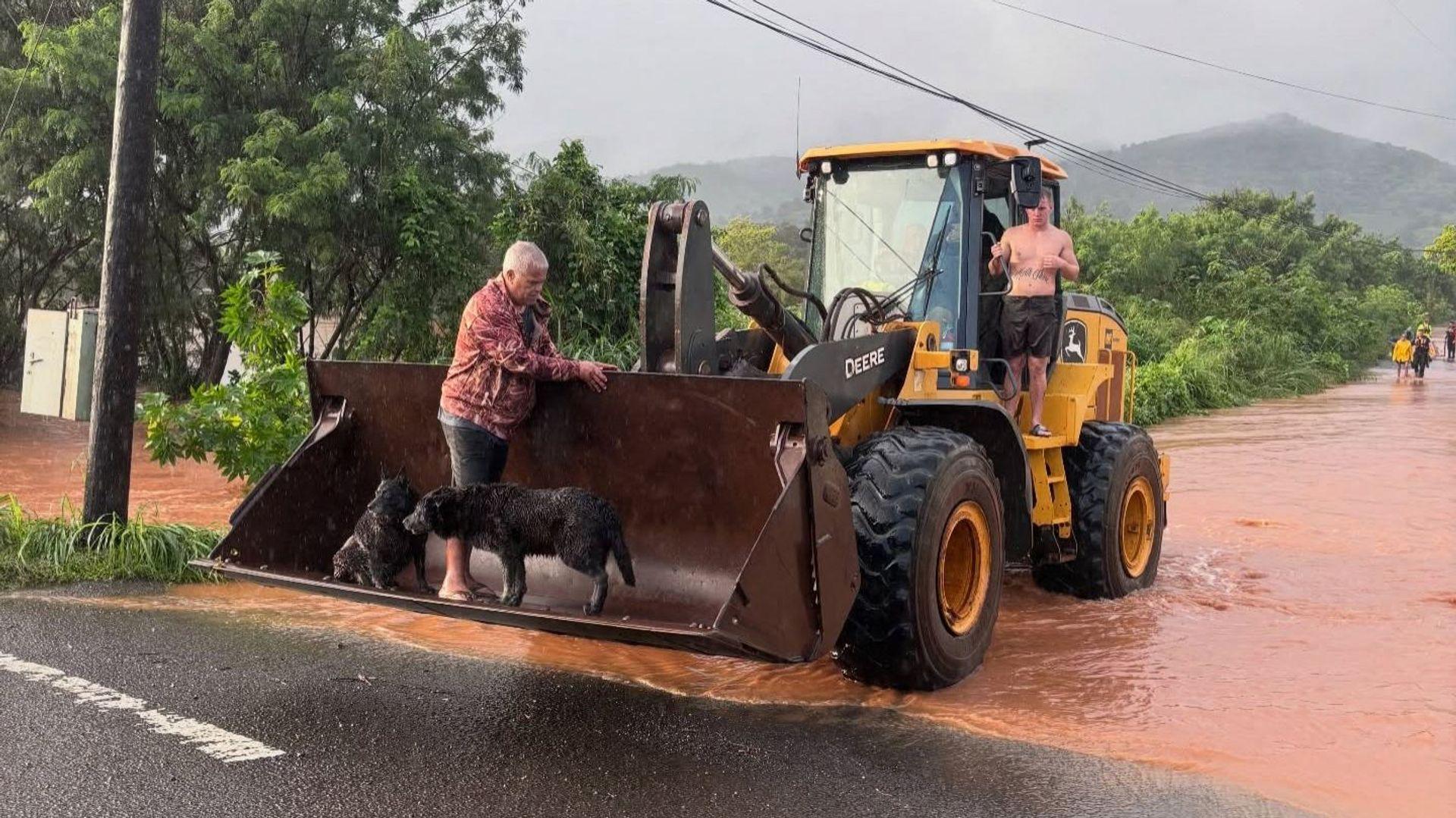
Honolulu Star-Advertiser reported that "residents were trapped in their homes, campers were stranded and communities were cut off" with at least 233 rescues conducted.
WeatherNation noted that "evacuation orders have been issued for Haleiwa and Waialua as intense flooding cut off roads and inundated low lying areas."
Hawaii News Now reported that "emergency shelters open on Oahu amid dangerous flooding."
Flooding from the Kona storm prompted proactive power shutoff for thousands on Oahu.
Streamline Feed described dramatic rescue operations with "emergency sirens blared through the night as firefighters and National Guard members conducted daring rescues, pulling stranded families from rooftops."
In Haleiwa, "the water rose with terrifying speed, pushing homes off their foundations and swallowing vehicles whole."
Economic Impact
The economic toll of the storm is projected to exceed $1 billion.
“The Wahiawa dam 'presents an imminent risk of rupture,' warned the local emergency management service”
Governor Josh Green called this "very serious consequence for us as a state."
Honolulu Star-Advertiser quoted Green stating that "we are now beginning to contemplate the reality that this storm could cost over $1 billion of damages in both the private and public sector."
The damage spanned airports, hospitals on Maui, schools, roads, and residential homes.
Streamline Feed noted that the "USD 1 billion price tag attached to the Hawaii storm is a sobering figure that underscores the economic imperative of preparedness."
The disaster demonstrated that "no region, regardless of its economic standing, is immune to the effects of a volatile climate."
Global Parallels
The Hawaiian flooding disaster finds striking parallels with recurrent flooding events in other vulnerable urban centers worldwide.
Particularly notable are the parallels with flooding in Nairobi.
Both locations share challenges of outdated infrastructure and climate change impacts.
Professor John Odhiambo from University of Nairobi explained that "both Hawaii and Nairobi are dealing with the collision of outdated planning models and a rapidly changing climate."
The disaster highlights the urgent necessity for modernizing disaster resilience strategies.
This includes "aggressive, forward-looking investment in 'green' infrastructure—wetland restoration, better drainage capacity, and land-use policies that prioritize flood-plain management over short-term development gains."
The rebuilding phase will force difficult conversations about restoring the status quo or re-engineering for future climate realities.
The clear message is that "if infrastructure is not built for the climate of tomorrow, it will inevitably be claimed by the weather of today."
More on Technology and Science

Hawaii's Worst Flooding in 20 Years Threatens Dam, Prompts Evacuations as More Rain Looms
11 sources compared

Hawaii Deploys National Guard as Worst Flooding in 20 Years Swamps Oahu
68 sources compared
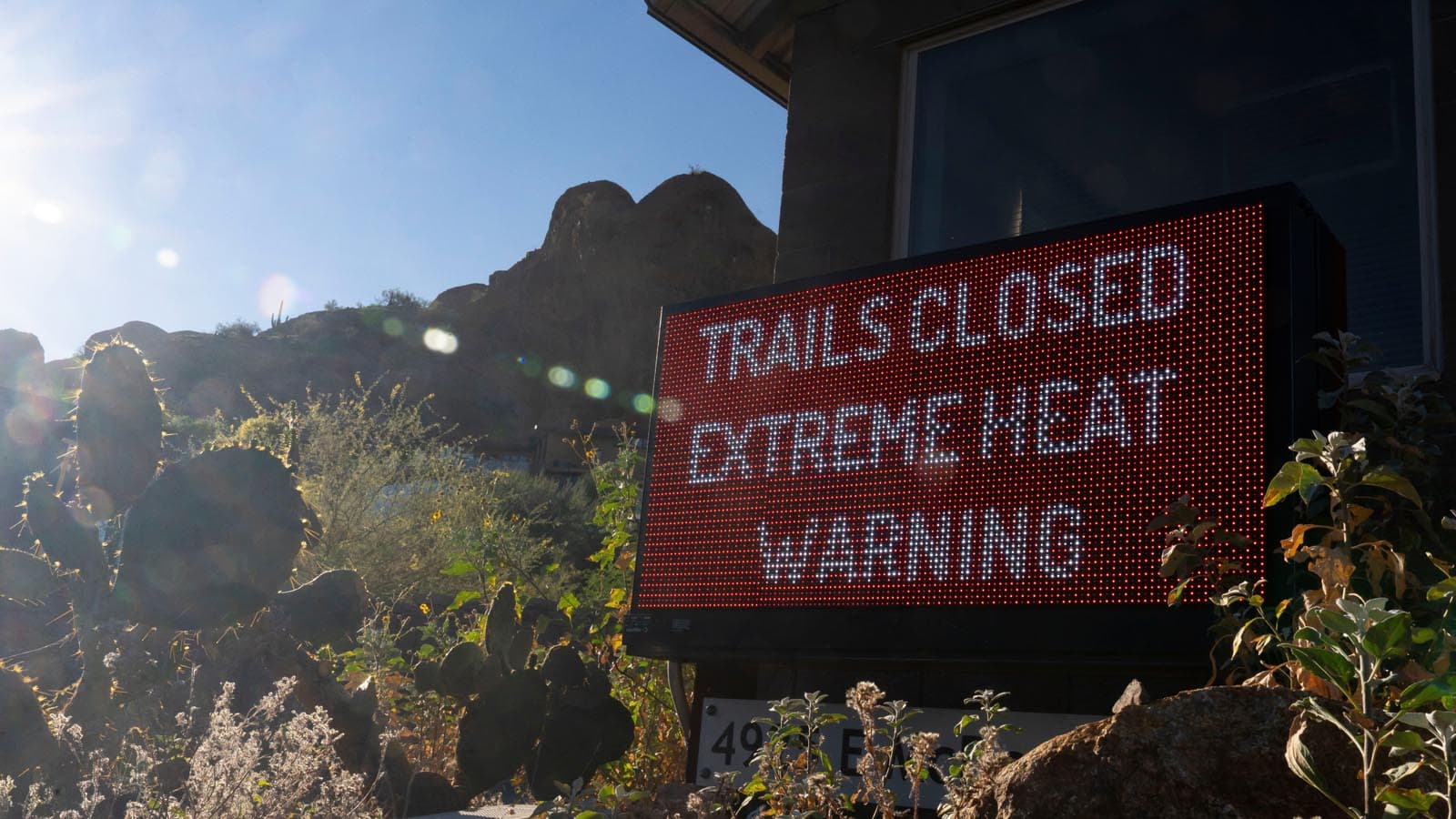
Heatwave shatters March records as Southwest bakes under extreme temperatures
48 sources compared
Record heat blankets the US Southwest as March logs hottest temperature in Arizona
10 sources compared