Oil Prices Fall As Trump Administration Negotiates With Iran Over Strait Of Hormuz
Key Takeaways
- Brent crude fell about 5–6% to around $97–98 a barrel amid peace-talk optimism.
- Optimism over a US-Iran deal included hopes to reopen the Strait of Hormuz.
- Markets priced in potential resolution, with Brent and WTI sliding on peace-talk optimism.
Deal Hopes Move Markets
Oil prices fell sharply on Monday as negotiations between the Trump administration and Iran raised hopes of reopening the Strait of Hormuz, with Brent crude futures down 6% to $97.43 a barrel and stock markets rising on the prospect of an agreement to end the near three-month US-Israeli war on Iran.
“Oil prices have fallen sharply amid tentative hopes for a deal to end the US-Israel war on Iran”
The BBC reported that US Secretary of State Marco Rubio said negotiators had a "pretty solid thing on the table" and that Brent fell 5.5% to $97.90 a barrel on Monday morning.

In the same BBC account, Trump said the negotiations were "proceeding nicely" but added it would either be "a great deal for all or no deal at all," while Iran’s government spokesman said a deal was "not imminent".
The BBC also said the Strait of Hormuz has been effectively closed since the conflict started on 28 February, and that it usually passes through "around a fifth of the world's oil and liquefied natural gas (LNG)".
Al Jazeera framed the market reaction as mixed signals, saying Brent futures for July stood at $97.94 a barrel as of 04:00 GMT and that Trump had instructed officials "not to rush into a deal".
Trump Signals, Iran Cautions
Trump’s messaging shifted between optimism and restraint, with the BBC quoting him saying negotiations were "proceeding nicely" while also warning it would be "a great deal for all or no deal at all".
The BBC reported that Iran’s foreign ministry spokesman, Esmail Baqai, said agreement has been reached on a "large portion of the issues under discussion" but that "to say that this means the signing of an agreement is imminent - no-one can make such a claim,".

In a separate account, Al Jazeera said Trump had told officials "not to rush into a deal" after he had earlier raised hopes for a breakthrough by announcing that a deal had been "largely negotiated," with terms including the reopening of the Strait of Hormuz.
Al Jazeera also quoted Sparta analyst June Goh saying "10-11 million barrels per day of crude oil continue to be shut-in for every day the Strait of Hormuz remains shut," while markets expected a "gush of 100 million barrels of crude oil" once the deal is in place.
The Guardian added that an Iranian government spokesperson cautioned that an agreement was "not imminent," even as it described a framework being negotiated and noted that the US and Iran remained at odds over key issues such as Iran’s blockade of the strait of Hormuz.
Time, Shipping, and Tight Markets
Even with hopes of progress, multiple sources said the reopening of the Strait of Hormuz would not quickly restore normal flows, with the Guardian noting that analysts say a return to normal oil flows will take months and that damaged energy infrastructure in Qatar and elsewhere is repaired.
“- Published Oil prices have fallen sharply on hopes of a deal that could bring an end to the US-Israel war with Iran”
The BBC quoted Saul Kavonic saying that "oil markets will remain tight through 2027" even in the most optimistic scenario, tying that to the time required to normalise oil flows through the Strait, repair damaged oil facilities, and rebuild global oil stocks.
The BBC also included Lars Jensen’s warning that even if a deal was announced on Monday, the shipping industry would remain "very cautious and hesitant," with vessels in the Persian Gulf trying to get out but lines hesitant to return if the situation turns again.
Al Jazeera put a timeline on the market reset, saying Sparta estimates "still about three to six months required to get everything back to status quo," including time to bring production and refineries back online.
The Guardian added that the strait’s de facto closure sent energy prices soaring after the US and Israel first launched missile strikes on Tehran on 28 February, and it reported that two tankers carrying liquefied natural gas were exiting the strait on Monday heading to Pakistan and China while a supertanker with Iraqi crude left the Gulf bound for China on Saturday after being stranded for almost three months.
More on Iran
U.S. Conducts Self-Defense Strikes in Southern Iran as Iran-US Talks Continue in Qatar
12 sources compared
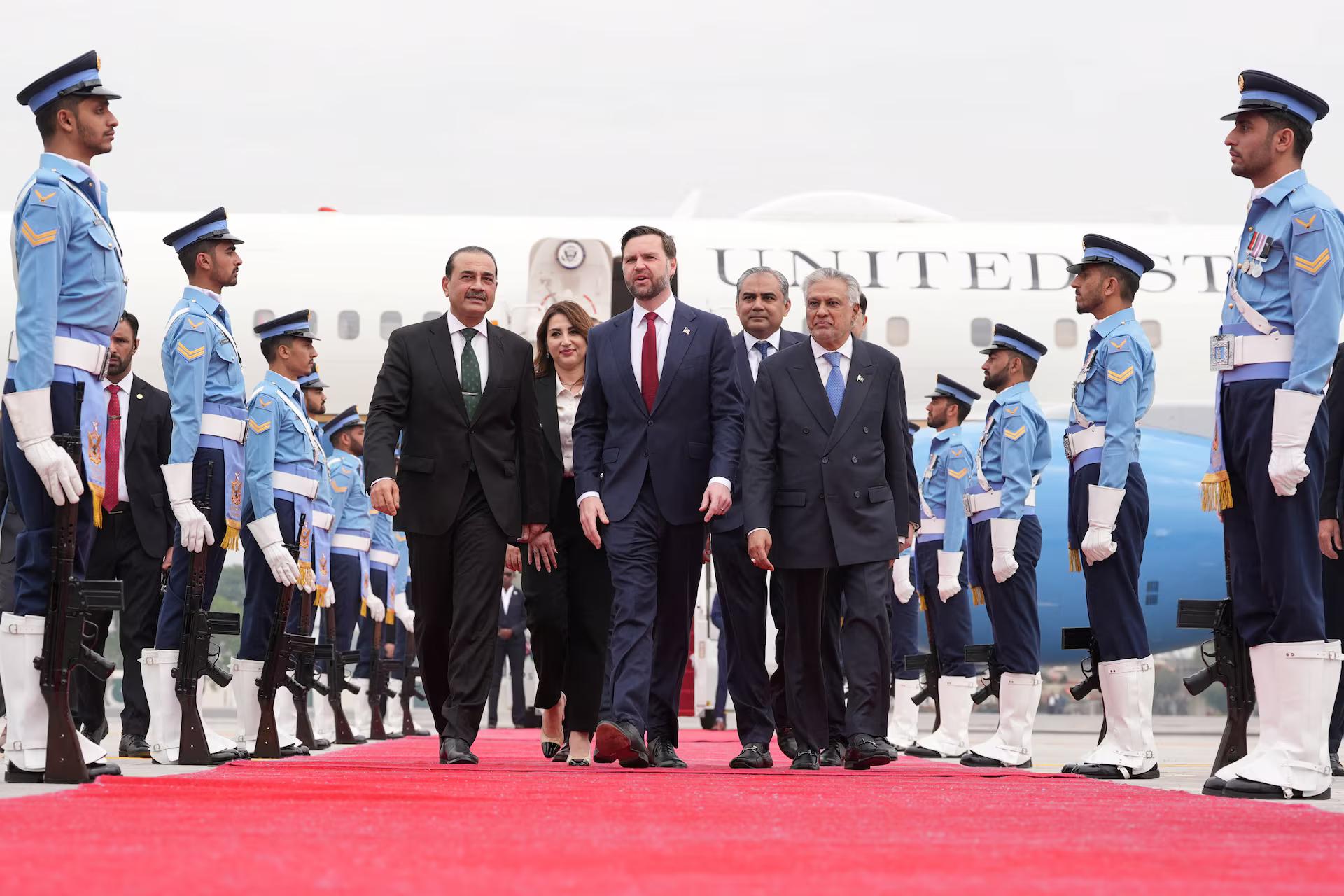
Iranian Officials Continue Talks in Qatar as Trump Demands Abraham Accords and Rejects Uranium Deal
13 sources compared
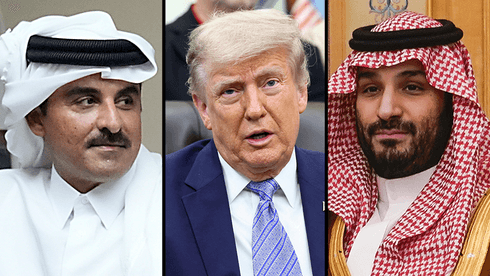
Donald Trump Demands Saudi Arabia And Pakistan Join Abraham Accords In Iran Deal
20 sources compared

Trump Halts Planned Attack on Iran After Qatar, Saudi, UAE Request Delay
13 sources compared