
Oil prices fall below $100 as Iran ceasefire optimism eases oil supply concerns.
Key Takeaways
- Oil prices fell about 4% as ceasefire hopes eased Middle East supply disruption fears.
- A U.S. 15-point proposal to Iran boosted expectations of a ceasefire.
- Brent and WTI traded below $100, with WTI near $87.7 and Brent around $99.
Oil Price Decline
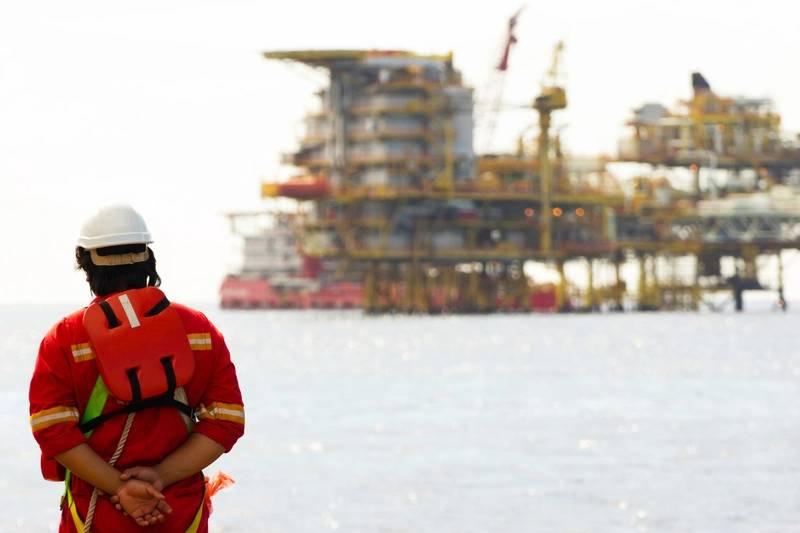
Oil prices experienced significant declines below the psychologically important $100 mark amid growing optimism for a potential ceasefire in the Middle East conflict.
Brent crude fell to around $98 per barrel and WTI dropped to approximately $87-89 per barrel following the price drop.
The decline came after weeks of soaring energy costs driven by the ongoing conflict between the United States, Israel, and Iran.
This conflict had disrupted oil shipments through the crucial Strait of Hormuz, a vital passageway for global energy supplies.
Market participants adjusted their positions as hopes improved for a diplomatic resolution to the crisis.
This led to profit booking and some easing of supply concerns that had driven global energy prices to near $120 per barrel earlier in March.
Diplomatic Developments
The price decline was triggered by reports that the United States had presented Iran with a comprehensive 15-point peace proposal aimed at ending the ongoing conflict.
US President Donald Trump stated that Washington and Tehran are 'currently in negotiations' and suggested Iran is eager to strike a deal.
Iran has consistently denied holding any direct talks with the United States, creating a complex diplomatic situation.
The proposal reportedly includes demands for dismantling Iran's nuclear program, halting support for proxy groups, and reopening the Strait of Hormuz to international shipping.
In a significant development, Iran sent a letter to the International Maritime Organisation indicating that 'non-hostile vessels' could navigate the Strait if they coordinate with Iranian authorities.
This potentially signals a willingness to ease tensions and restore normal shipping operations in the crucial waterway.
Market Analysis
Market analysts expressed cautious optimism about the potential ceasefire prospects while warning that the situation remains fragile with significant uncertainties persisting.
“- Today - Holidays - Birthdays - Reminders - Cities - Atlanta - Austin - Baltimore - Berwyn - Beverly Hills - Birmingham - Boston - Brooklyn - Buffalo - Charlotte - Chicago - Cincinnati - Cleveland - Columbus - Dallas - Denver - Detroit - Fort Worth - Houston - Indianapolis - Knoxville - Las Vegas - Los Angeles - Louisville - Madison - Memphis - Miami - Milwaukee - Minneapolis - Nashville - New Orleans - New York - Omaha - Orlando - Philadelphia - Phoenix - Pittsburgh - Portland - Raleigh - Richmond - Rutherford - Sacramento - Salt Lake City - San Antonio - San Diego - San Francisco - San Jose - Seattle - Tampa - Tucson - Washington Oil Prices Drop 4% on Ceasefire Hopes, Easing Middle East Supply Fears Brent crude and WTI futures decline amid reports of a potential ceasefire plan to end the conflict in the region”
Daniel Richards, senior economist at Emirates NBD, noted that oil prices continue to be 'buffeted by headlines from the region' and that after a sharp fall, prices had picked up again as uncertainty around any peace process returned.
He added that the reports of Trump's 15-point peace plan proposal have 'boosted risk-on sentiment, with a sharp fall in oil prices'.
Ipek Ozkardeskaya, senior analyst at Swissquote bank, described the current optimism as 'fragile' since Iran is yet to respond to US efforts to ease tensions.
She suggested oil prices could stabilize in the $80-$85 per barrel range if the crisis follows a similar path to the Gulf War.
However, she emphasized that there are many 'ifs' in the near term, making short-term direction highly uncertain.
Economic Impact
The broader economic impact of the Middle East conflict has been substantial, with Gulf producers losing an estimated $15.1 billion in energy revenue since the war began.
According to shipping analytics firm Kpler, at least $10.7 billion in cargo loads are currently sitting in the Strait of Hormuz unable to reach their destinations.

The firm estimates that Hormuz normally carries $1.2 billion worth of oil, gas and refined products on a daily basis.
Consumers in the United States have felt the impact at the pump, with petrol climbing to a national average of $3.98 per gallon, marking a 34% rise since the war began.
Diesel prices have surged even faster, reaching $5.35 per gallon, up 42% over the same period.
Despite the recent price declines, military strikes have continued across the region, including a drone attack on a fuel tank at Kuwait International Airport on Wednesday.
This highlights the ongoing volatility of the situation and the fragility of the recent diplomatic progress.
Future Outlook
Looking ahead, analysts suggest that if the current crisis follows a historical pattern similar to the Gulf War of 1990-1991, oil markets could see stabilization over the coming months.
“Join our Q&A from major energy industry summit CERAWeek as the Iran war shocks global markets – Wednesday, March 25, 5pm UAE time”
During the Gulf War, oil prices surged from around $15 per barrel to nearly $40 in just two months before beginning to moderate as coalition forces intervened and the conflict ended.

By the time the war concluded in February 1991, oil prices had already started declining, with volatility remaining elevated for about a month.
Stabilization began three to six months later, with energy markets largely returning to pre-war levels after one year.
Applying this historical analogy to the current situation, analysts suggest that over a one-year horizon, oil could 'potentially return to the $60-$70 per barrel range' if de-escalation continues and normal shipping operations resume.
However, this optimistic scenario depends on multiple factors remaining favorable in the near term, making short-term price direction highly uncertain.
More on Finance

American Senators File Bill to Ban Sports Betting on Polymarket and Kalshi
42 sources compared

President Donald Trump Threatens to Obliterate Iran's Power Plants as Oil Prices Rise
12 sources compared

Jury Rules Elon Musk Misled Twitter Investors in $44B Acquisition Case
20 sources compared
Judge Jason Woodbury Blocks Kalshi From Operating in Nevada
24 sources compared