Tourism21 November, 20262 min read
Archive photo · 25 March 2017Okunoshima’s Rabbit Island Draws Tourists With Wartime Chemical Weapons Factory Past
2 Western Mainstream1 Asian1 West AsianPhoto: Lance Cpl. Carlos Jimenez / US federal government, Public domain · Cropped for layout
This article is an automated aggregation of coverage from news outlets. Our editorials offer in-depth analysis curated by the NewsCord team.
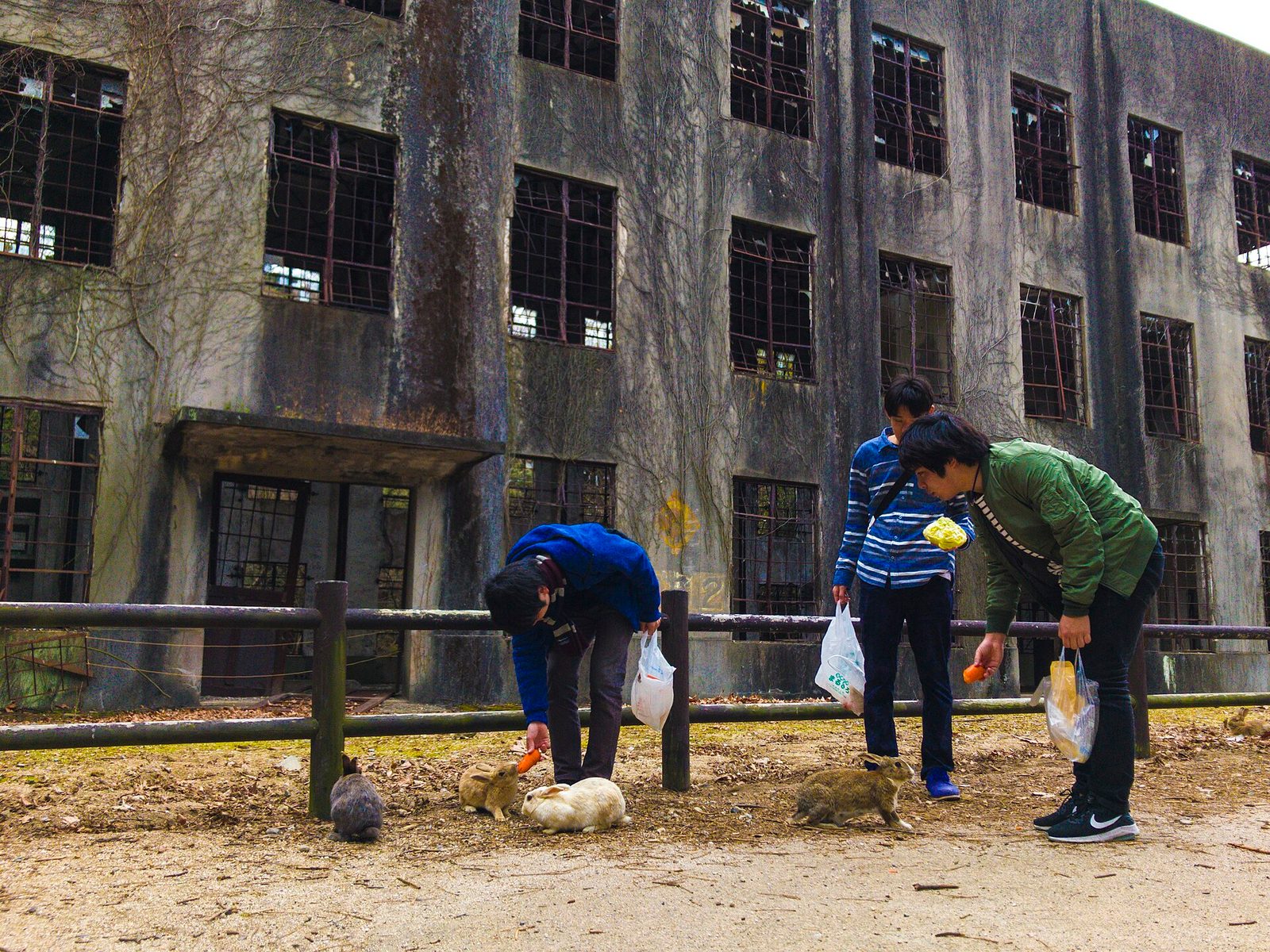
Covert Imperial Japanese Army chemical weapons factory operated on Okunoshima (1929–1945). The island’s perimeter is about four kilometres.
Save coverage image
4 outlets in this story. Read their headlines below.
Shared framing
The headlines contrast the island’s tourist appeal with its wartime chemical-weapons history. Euronews and AOL carry the same underlying video/article, so both outlet records remain while the republication is identified as a copy family.
5 of 5 outlets · 5 of 5 headlines analysed
- Al-Jazirah Net
the 'Paradise of Rabbits' that hides a memory of death
- France 24
Fluffy rabbits, dark past draw tourists to Japan island
- Euronews
The dark secret behind an island paradise full of rabbits
See the headlines
Tourist appeal contrasted with wartime chemical-weapons history
Several headlines juxtapose Okunoshima’s rabbit-island appeal with its past as a chemical-weapons site. This describes the contrast in the headlines; it does not establish that the history was intentionally concealed.
- Al-Jazirah NetReporting · OngoingJapanese island of Okunoshima… the 'Paradise of Rabbits' that hides a memory of death
Translated headline (ar).
جزيرة أوكونوشيما اليابانية.. "جنة الأرانب" التي تخفي ذاكرة الموت
- France 24Reporting · OngoingFluffy rabbits, dark past draw tourists to Japan island
- EuronewsReporting · OngoingVideo. Japan: The dark secret behind an island paradise full of rabbits
Known shared report.
- Taipei TimesReporting · OngoingRabbits, dark past draw tourists to Japan island
- AOL.co.ukReporting · OngoingJapan: The dark secret behind an island paradise full of rabbits
Known shared report.
All 5 analysed headlines
- Al-Jazirah NetReporting · OngoingJapanese island of Okunoshima… the 'Paradise of Rabbits' that hides a memory of death
Translated headline (ar).
جزيرة أوكونوشيما اليابانية.. "جنة الأرانب" التي تخفي ذاكرة الموت
- France 24Reporting · OngoingFluffy rabbits, dark past draw tourists to Japan island
- EuronewsReporting · OngoingVideo. Japan: The dark secret behind an island paradise full of rabbits
Known shared report.
- Taipei TimesReporting · OngoingRabbits, dark past draw tourists to Japan island
- AOL.co.ukReporting · OngoingJapan: The dark secret behind an island paradise full of rabbits
Known shared report.
Counts describe this collection. One headline may support more than one angle.
Known shared reports are marked; outlet counts include their publishers.
Analysed 20 Nov 2026.
Reviewed by Codex validator (AI) · 21 Nov 2026
Rabbits draw crowds
Okunoshima, also known as "Rabbit Island," welcomes thousands of visitors each year despite its perimeter of just 4 kilometers and its wartime past as a secret chemical weapons factory for the Imperial Japanese Army.
“At the same time, I’m glad it has become a place where rabbits can live peacefully.”
Susan Balzer, a 67-year-old visitor from Canada, said, "This was my dream," and she added, "You can feed them, they come to you. We never get to really get close to them" back home.
The island’s rabbit population is thought to have grown from a small group released by a nearby elementary school in the 1970s to about 500 today, aided by abundant food and a lack of predators.
Eiji Tomari, a 69-year-old visitor, said, "Learning that many people died from the gas they produced made me realize what a tragic legacy the island carries," while he also said, "At the same time, I’m glad it has become a place where rabbits can live peacefully."
A hidden chemical past
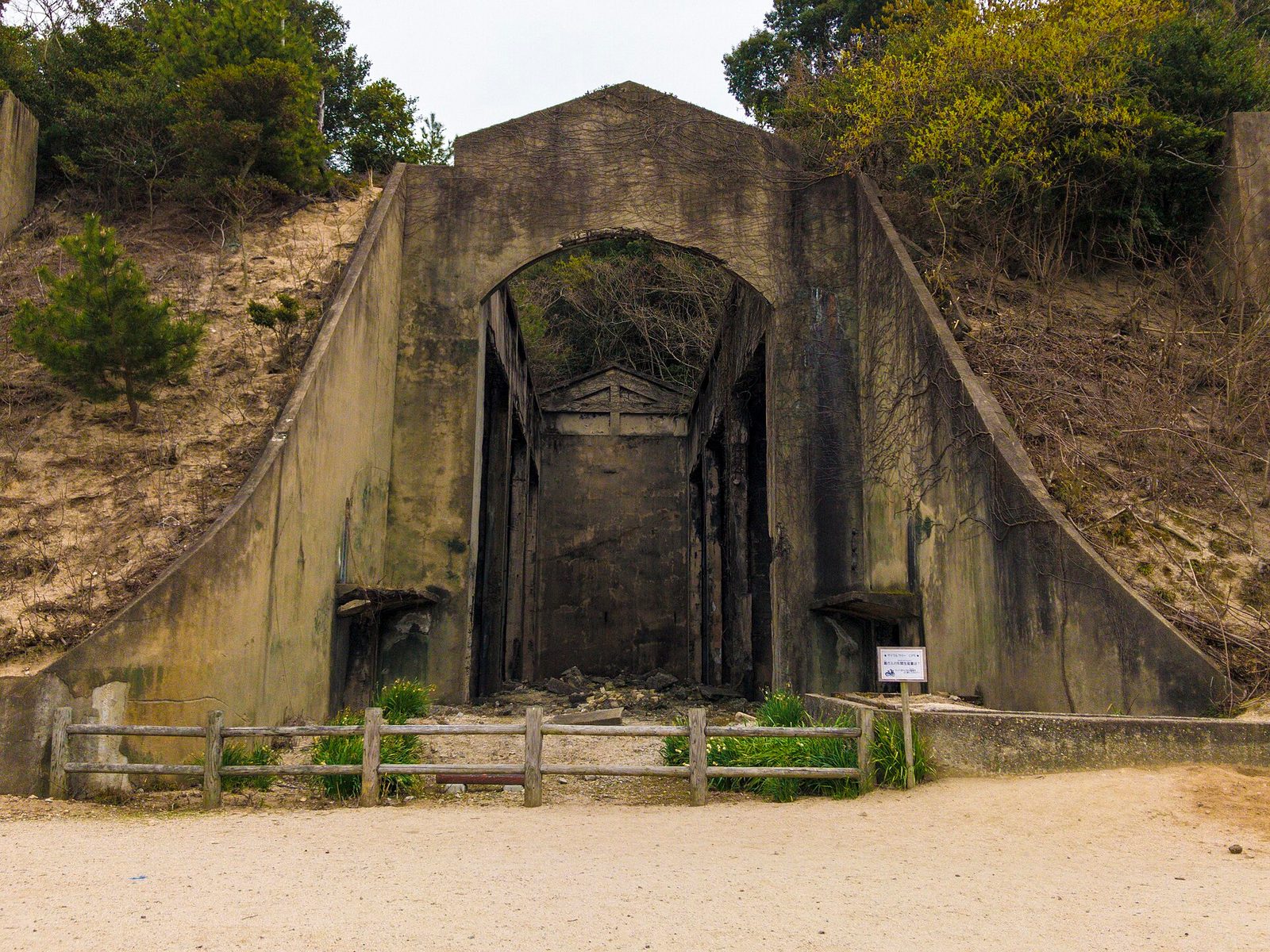
In 1929, the former Imperial Japanese Army built a chemical weapons factory on Okunoshima in an effort to catch up with Europe, despite international bans introduced after World War I. Authorities removed the island from Japanese maps and kept it hidden until the end of World War II in 1945, when Allied occupation forces ordered its destruction.
Okunoshima Poison Gas Museum director Kazuhito Takahashi said, "It was something that could not be disclosed, not just to ordinary citizens, but to the rest of the world," and he added, "If the facility had been exposed internationally, Japan, which relied heavily on imports at the time, could have faced sanctions." Masayuki Yamauchi, an 82-year-old tour guide, said rabbits were used as test subjects in experiments, while also telling visitors, "I hope people will learn about that history and use those lessons to help promote peace in the world."
Tourism risks and debate
A local tourism association said about 200,000 people visited the island last year, but social media attention has been accompanied by warnings that overfeeding the rabbits is harming the ecosystem. A study published in July found that wild boars, lured by the food, have reportedly been observed attacking the creatures, and the warnings have focused on how feeding wildlife changes animal behavior.
Asami Ogura, an associate professor at the National Institute of Technology Kure College, said, "To achieve sustainable tourism, it’s important to understand the impact of feeding wildlife and to consider how we should interact with it," and she said the rabbits face food shortages when there are few tourists. Tour guide Masayuki Yamauchi called the situation "tragic" and said, "A growing rabbit population does not mean the animals are happy," adding, "If we want them to thrive, visitors should avoid selfishly feeding them."