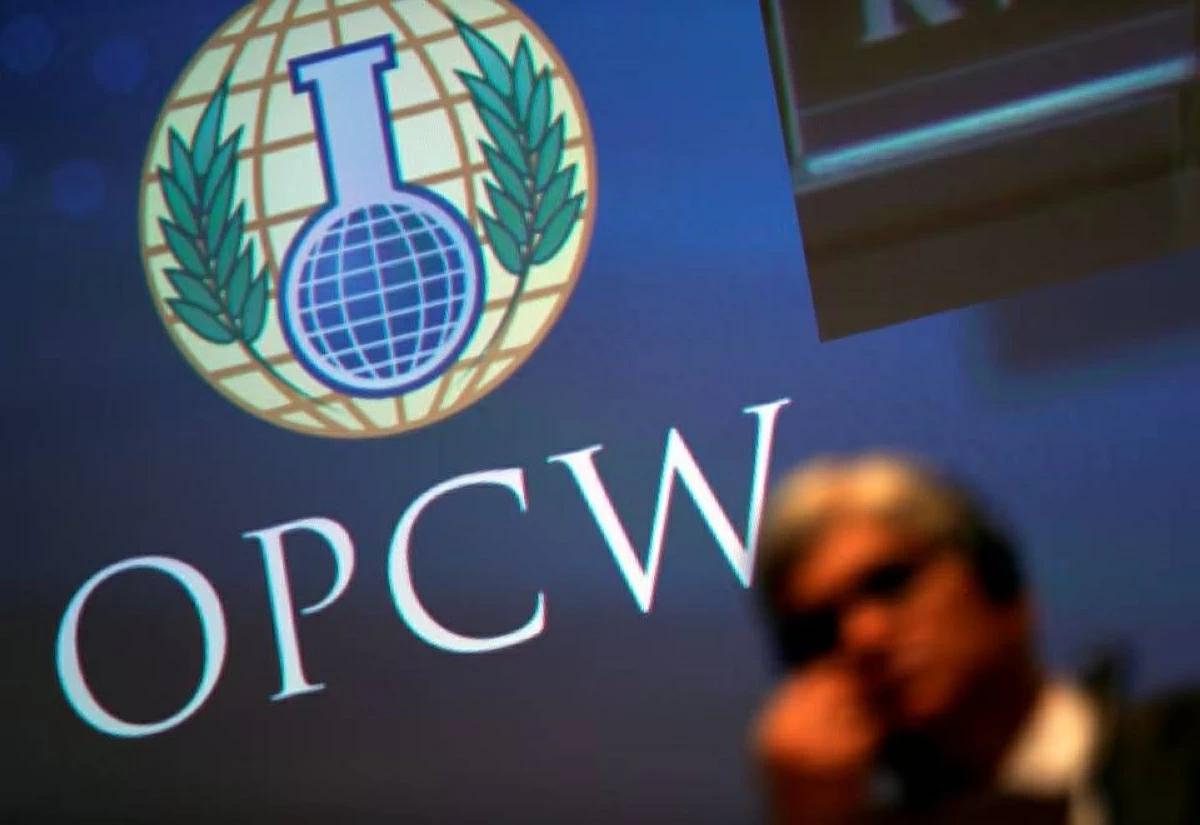
OPCW Restores Syria’s Voting Rights After Bashar Al-Assad Regime Fall
Key Takeaways
- OPCW restores Syria's voting rights after suspension, citing significant change since Bashar al-Assad's ouster.
- Syria cooperated to uncover and begin destroying hidden chemical stockpiles, per the watchdog.
- Western and US officials welcome restoration, framing it as a milestone and shift in engagement.
OPCW restores Syria vote
The Organisation for the Prohibition of Chemical Weapons (OPCW) restored Syria’s voting rights on Thursday, citing a “significant change in circumstances” since the fall of the Bashar al-Assad regime.
“The global chemical weapons’ watchdog has announced it has handed voting rights back to Syria because “concrete steps” have been taken to address outstanding issues since the fall of the Bashar al-Assad regime”
OPCW said the decision followed “concrete steps” taken by Syria’s new authorities to address outstanding issues, including cooperation with the Technical Secretariat and initial steps toward destroying identified remnants.

DW reported the OPCW executive council adopted the decision in its Thursday session, co-sponsored by 67 states parties and adopted by consensus.
Al Jazeera linked the reinstatement to the earlier suspension in 2021, when Syria was stripped of rights for failing to declare the full scope of its chemical weapons programme and for repeated use of poison gas during the civil war.
Voices welcome the shift
OPCW Director-General Fernando Arias said the decisions reflect “tangible progress achieved through continued cooperation and constructive engagement between the Technical Secretariat and the Syrian Arab Republic,” with support from other states parties.
The National News quoted Arias saying the move “marks another milestone in the OPCW's efforts to achieve the complete and verified elimination of all remaining chemical weapons associated with the former Syrian government.”

US Special Presidential Envoy for Syria and Iraq Tom Barrack welcomed the restoration, calling it a “meaningful milestone” in a post on X.
Syria’s Foreign Minister Asaad al-Shaibani welcomed the decision as “a historic step” and wrote on X that Syria “regained all of its rights and privileges in the OPCW by unprecedented consensus among member states.”
What comes next
The OPCW said the reinstatement provides a “robust framework” for advancing the next phase of verification and destruction activities under the aegis of the Executive Council.
“The Organisation for the Prohibition of Chemical Weapons (OPCW) announced on Thursday that Syria has again been granted full membership rights, following what it described as a significant change in circumstances since the ouster of President Bashar al-Assad”
DW said the executive council welcomed progress including amending Syria’s initial declaration of chemical weapons, preparing facility agreements, facilitating verification activities, and taking initial steps toward destruction of identified remnants.
Al Jazeera added that Syria joined the OPCW in 2013 and agreed to destruction supervised by the watchdog, after it was believed to possess about 1,000 tonnes of toxins and after a suspected chemical attack in Ghouta in 2013.
The National News said OPCW inspectors have established a permanent presence inside Syria, allowing them to visit suspected chemical weapons sites, collect evidence and interview witnesses linked to attacks carried out during the conflict.
More on Syria
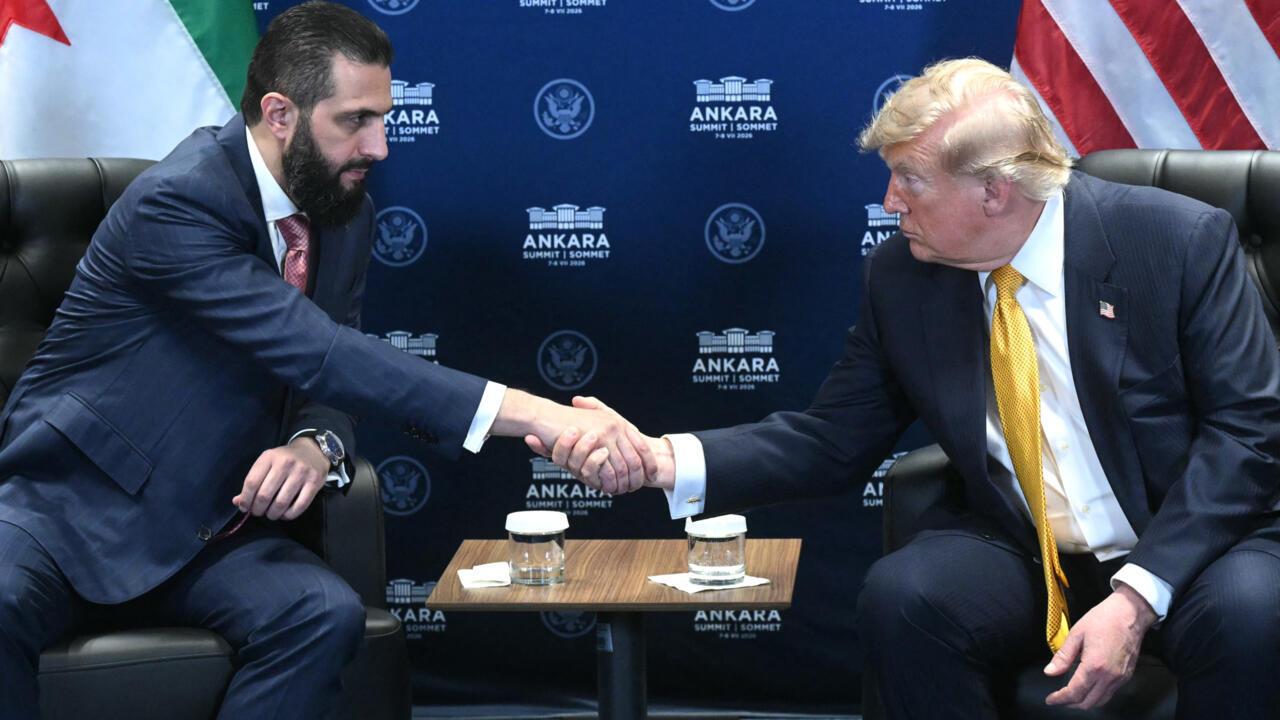
Trump Begins Procedures To Delist Syria From State Sponsors Of Terrorism List
29 sources compared

Syria Arrests IS-Linked Cell Behind July 7 Damascus Bombings During Macron Visit
22 sources compared

Ahmed al-Sharaa and Emmanuel Macron Sign 16 Syria-France Agreements in Damascus
13 sources compared
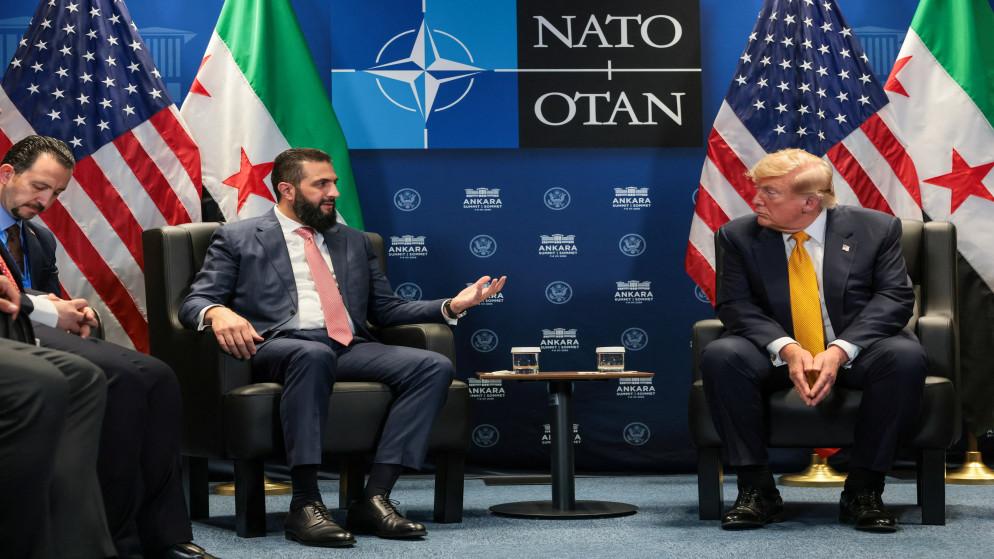
Trump Moves to Delist Syria as State Sponsor of Terrorism After Rubio Assurances
29 sources compared