Pakistan Calls Itself 'Bridge Builder,' Pushes Mediation In Iran War During PM Saudi Visit
Key Takeaways
- Pakistan positions itself as a 'bridge builder' to ease Middle East tensions
- Pakistan facilitates dialogue among key regional players amid the Iran War
- Pakistan's Foreign Office publicly promoted its mediation role
Visit framed as mediation
Pakistan has publicly framed Prime Minister Shehbaz Sharif’s visit to Saudi Arabia as part of a deliberate ‘bridge builder’ diplomatic push aimed at easing the widening Iran conflict, with the Foreign Office saying Sharif traveled to the Kingdom for talks focused on regional peace and security amid heightened volatility after strikes on Iran.
“Print Edition Read pdf version Home {{tree}} {{link”
Arab News reported that Islamabad is positioning itself as a mediator as Sharif left for a brief visit to Saudi Arabia ‘at a time when the region is facing heightened volatility after the United States and Israel launched airstrikes against Iran,’ and Pakistan Today quoted a Foreign Office spokesperson saying Pakistan ‘had maintained open communication channels with Iran, Saudi Arabia and other Gulf states as part of its efforts to help ease tensions.’
Diplomatic posture and contacts
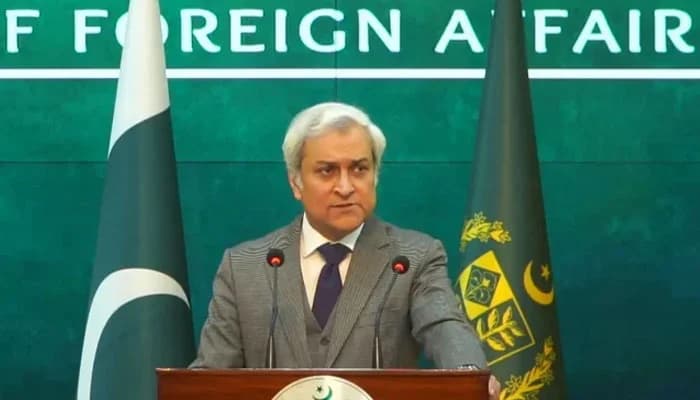
Islamabad’s Foreign Office, through spokesperson Mohammad Faisal Andrabi, emphasised Pakistan’s adherence to sovereignty, international law and the UN Charter while underscoring active contacts with multiple capitals and international actors to de-escalate the crisis.
Andrabi said that Pakistan had earned respect across regional capitals for its stance and highlighted phone calls between Prime Minister Sharif, Deputy Prime Minister and Foreign Minister Ishaq Dar, and various leaders.
Pakistan Today quoted Andrabi noting Pakistan’s ‘stance on sovereignty, adherence to international law and the UN Charter, as well as its consistent advocacy for dialogue and diplomacy, had earned respect across regional capitals,’ and he confirmed that ‘contacts continued at multiple diplomatic levels’ including with the United States.
Outreach to Iran
Pakistan reported direct engagement with Iran’s leadership during the crisis: the Foreign Office said Prime Minister Shehbaz Sharif held a telephone conversation with Iranian President Masoud Pezeshkian in which they exchanged Ramazan greetings.
“Print Edition Read pdf version Home {{tree}} {{link”
Sharif ‘conveyed condolences over the martyrdom of Ayatollah Khamenei and congratulated Mojtaba Khamenei on assuming the responsibilities of Iran’s new supreme leader,’ and Andrabi said Pakistan had ‘taken note’ of President Pezeshkian’s public statement outlining conditions for ending the war, describing this as part of ongoing diplomatic discourse.
Both Pakistan Today and Arab News highlighted the PM’s outreach to Tehran as a central element of Islamabad’s bridge-building effort.
Maritime and economic concerns
Pakistan has also flagged practical concerns tied to the wider conflict, including disruptions to maritime traffic through the Strait of Hormuz and a resulting fuel crisis.
The Foreign Office said it had been in contact with Iranian authorities to ‘ensure the safe passage of Pakistani ships through the strategic waterway’ and stressed Pakistan’s efforts to safeguard its economic and shipping interests while urging de-escalation.
Pakistan Today explicitly linked Pakistan’s communication with Iranian authorities to protecting maritime routes, and Arab News framed the Saudi visit as occurring amid regional volatility that has tangible economic effects.
Coordination with partners
Islamabad also emphasised coordination with other partners and clarified lines of authority: Andrabi confirmed ongoing engagement with the United States at multiple diplomatic levels, noted recent phone contact between Foreign Minister Ishaq Dar and Chinese Foreign Minister Wang Yi, and said Pakistan-China ties and trilateral Afghanistan dialogue remained active.
“Print Edition Read pdf version Home {{tree}} {{link”
Andrabi denied that a reported Turkish delegation to broker a ceasefire with Kabul was an official Pakistani initiative.
Pakistan Today detailed those contacts, saying Pakistan’s foreign secretary ‘had spoken with the US under secretary of state’ and that ‘Pakistan and China shared a long-standing strategic partnership,’ while also clarifying the delegation to Afghanistan was non-official.
More on Pakistan

Indian-Owned Sunrisers Leeds Sign Pakistan Spinner Abrar Ahmed, Breaking IPL-Linked Teams' Boycott
10 sources compared
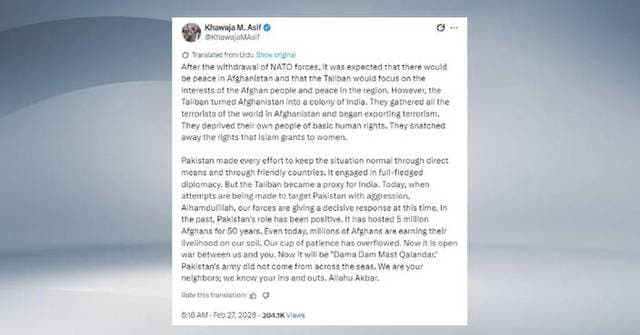
Pakistan Declares 'Open War' and Bombs Kabul, Kandahar
154 sources compared

Pakistan Kills Dozens, Including Children, in Overnight Air Strikes on Afghanistan
19 sources compared
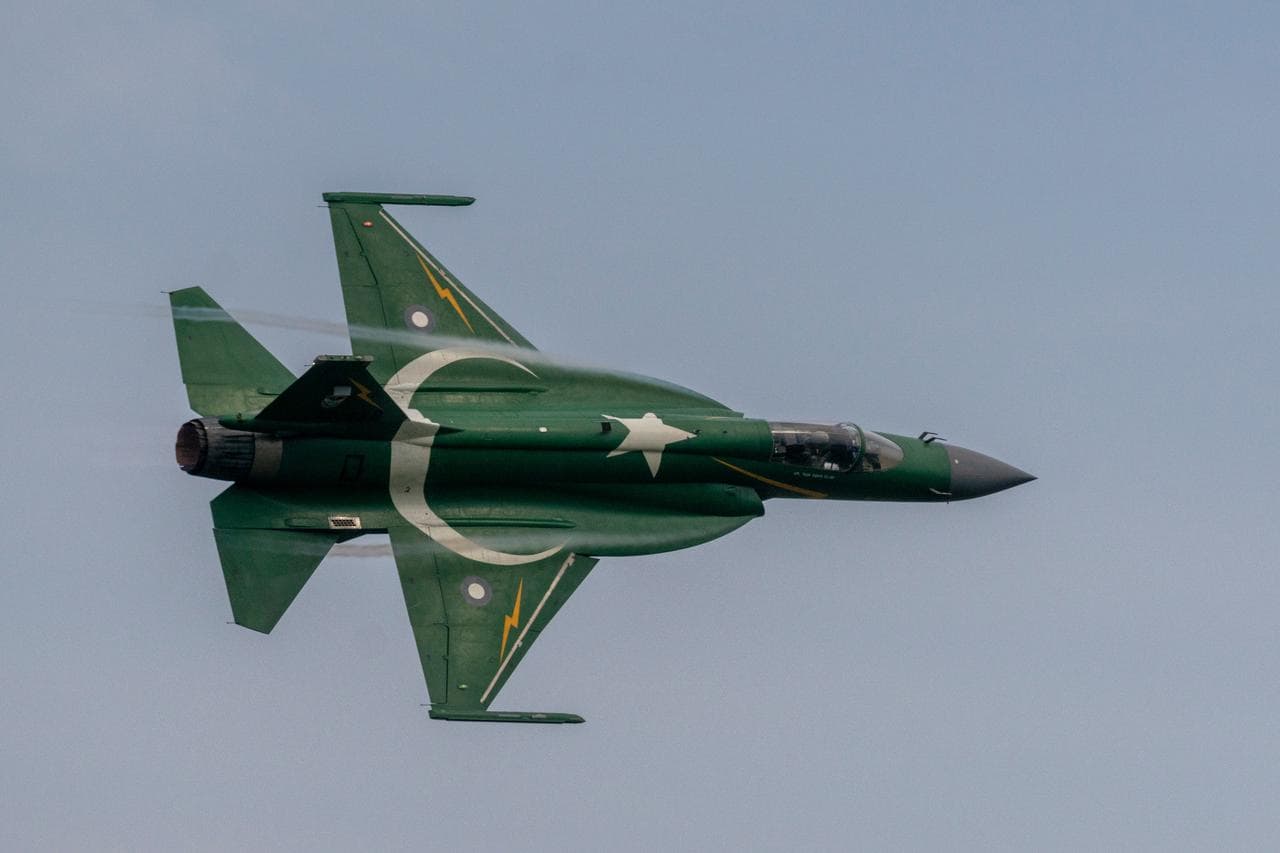
Pakistan in Talks With Saudi Arabia to Repay $2 Billion Loan with JF-17 Fighter Jets
21 sources compared