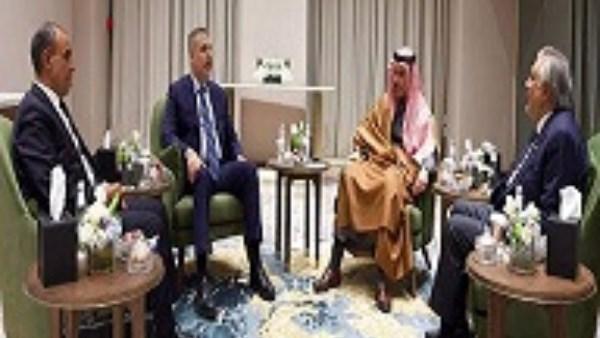
Pakistan Convenes Quad Foreign Ministers In Islamabad To Test Regional De-Escalation Track
Key Takeaways
- Pakistan will host a four-nation summit with Saudi Arabia, Egypt, and Turkey in Islamabad.
- Talks aim to de-escalate tensions between Iran and the United States amid the regional conflict.
- Officials indicate Pakistan could host future US–Iran negotiations.
New Islamabad Quad Initiative
Pakistan’s decision to convene a quad foreign ministers meeting in Islamabad marks the most consequential new development in West Asia diplomacy this month: Saudi Arabia, Türkiye, Egypt, and Pakistan will meet in Islamabad on March 29–30 to discuss de-escalation and a shared regional approach.
“Pakistan is preparing to host a mini-summit that will bring together the foreign ministers of Saudi Arabia, Egypt, and Turkey, as part of efforts to forge a shared vision aimed at reducing tensions between Iran and the United States”
Observers describe Pakistan as an emerging intermediary between Tehran and Washington, leveraging its relations with both sides and with Gulf states.

Iran denies direct negotiations with the United States, signaling that talks would require de-escalation first.
The Islamabad track coincides with a U.S. proposal reportedly conveyed to Iran via Islamabad, part of a broader push to curb escalation after the February 28 strikes.
Analysts view the quad meeting as a potential stepping stone for a regional framework that could influence any future negotiations between Washington and Tehran.
15-Point U.S. Proposal Details
At the heart of the confrontation is a multi-point U.S. package described across outlets as a 15-point plan.
The plan calls for dismantling Iran’s nuclear stockpiles, halting enrichment, and constraining the ballistic missile program, in addition to arrangements on the Strait of Hormuz and steps to halt Tehran’s support for allied groups in the region.
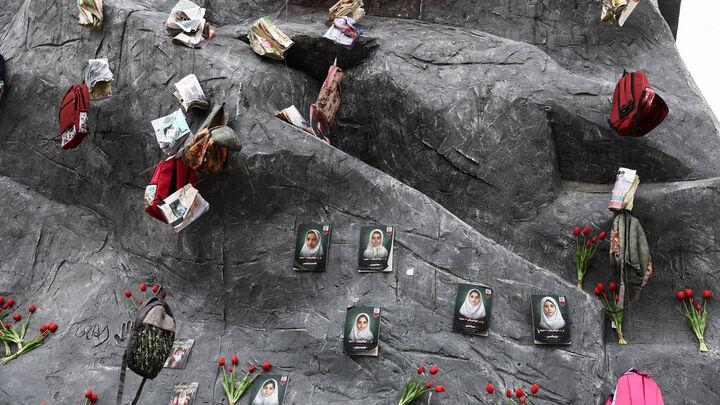
Pakistan and other intermediaries have reportedly conveyed this plan to Tehran and signaled Islamabad as a possible venue for future U.S.–Iran talks.
Iran’s response is framed as cautious: Tehran has been reviewing the plan but characterizing it as unbalanced, and Tehran publicly denies direct talks while implying it could engage only under de-escalation.
The plan’s focus on maritime control and energy routes highlights the broader stakes for global energy security.
Iranian Stance and Preconditions
Iran’s position remains cautious and conditional: Tehran has publicly denied holding direct talks with Washington, insisting that any negotiations must rest on an immediate halt to attacks on Iran and a de-escalation in the region.
“Pakistan will bring together foreign ministers from Saudi Arabia, Turkey and Egypt this weekend for discussions about the ongoing Iran conflict”
Tehran has reportedly delivered a response to the American plan through Islamabad, but Iranian officials emphasize that while negotiations are not off the table in principle, they will not proceed while attacks continue.
Observers note that Tehran is evaluating the offer but rejects the premise of direct talks without meaningful preconditions.
The Iranian stance raises questions about whether Islamabad can translate the channel into tangible concessions or a broader de-escalation framework.
Energy Corridors & Polycentric Frame
The energy-security dimension dominates the framing of de-escalation talks: Turkish and other regional actors stress the need to shield vital energy and trade corridors, with a polycentric system increasingly invoked as a framework for protecting shipping lanes and critical routes like the Strait of Hormuz.
Observers highlight that the quartet’s deliberations are as much about safeguarding global energy supplies as about halting violence.
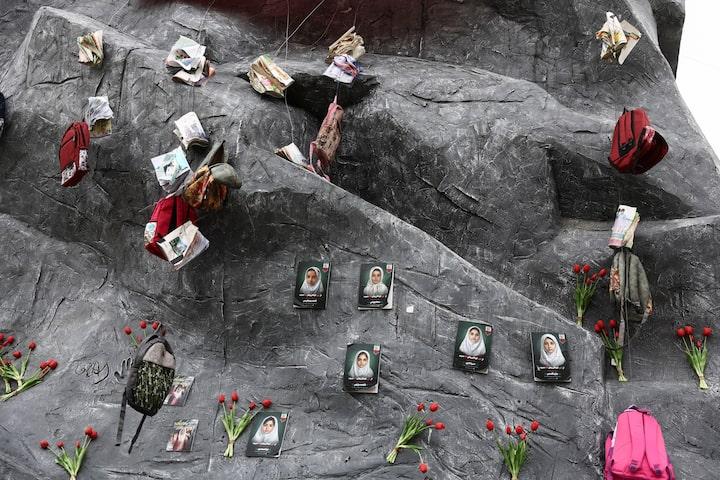
The emphasis on maritime control and energy security underscores the risk that stalled diplomacy could translate into sustained disruption of oil and gas flows through West Asia.
Islamabad’s willingness to host negotiations is seen as potentially concrete for protecting energy lifelines and reducing spillover risk.
Mediation Prospects & Pitfalls
Outlook and risks: Pakistan’s mediation could produce a durable de‑escalation track only if it moves beyond symbolic diplomacy and translates into verifiable steps and direct talks, something that hinges on Iran’s willingness to de‑escalate and Washington’s commitment to credible engagement.
“Pakistan's government announced that the country will host a meeting of the foreign ministers of Saudi Arabia, Turkey, and Egypt on Sunday and Monday, the 9th and 10th of Farvardin”
The main obstacle remains whether Tehran will enter negotiations with a credible incentive, and whether the United States will accept a de‑facto regional framework that could, over time, evolve toward direct talks.
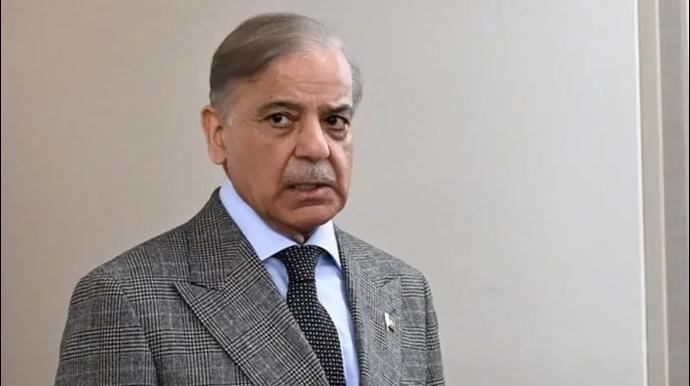
Analysts warn that the Islamabad process risks stalling if no substantive concessions materialize, yet even a structured de‑escalation mechanism would represent a meaningful shift from episodic diplomacy to a continuing regional forum.
The coming days will reveal whether the quad meeting can deliver concrete mechanisms or merely signal a broadened diplomatic corridor with limited payoff.
More on Pakistan
President Trump Delays Iran Power-Grid Strikes as Pakistan Mediates Talks
39 sources compared
Pakistan, Afghanistan halt fighting for Eid al-Fitr after deadly Kabul strike
20 sources compared

Pakistan Attacks Kabul Omid Hospital, Killing Over 400, Taliban Says
12 sources compared

Pakistan Airstrike Kills Hundreds at Kabul Drug Rehabilitation Center
41 sources compared