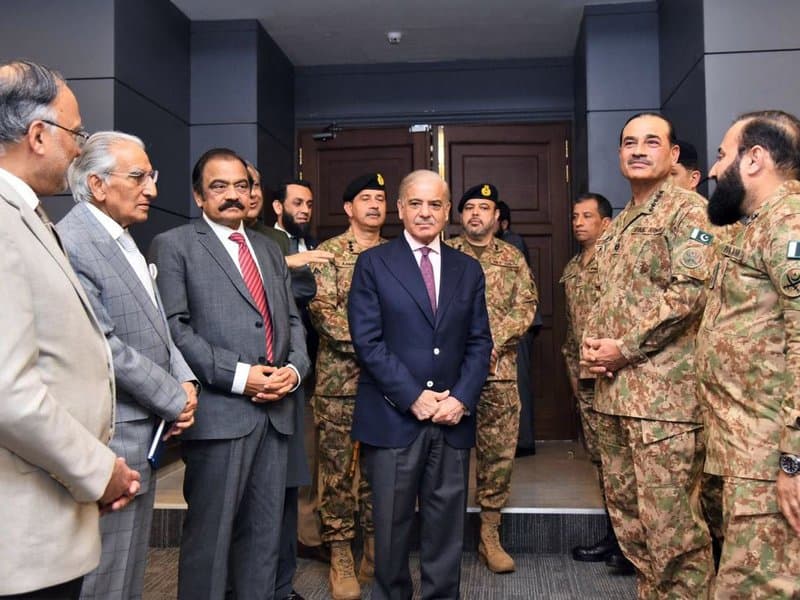
Pakistan Government's Foreign Policy Fails Miserably, Leaves Islamabad Powerless in Middle East Crisis
Key Takeaways
- Pakistan cannot effectively influence developments in the Middle East crisis
- Pakistan lacks economic, diplomatic, technological, and institutional capacity to project power
- Pakistan's governance failures undermine its foreign policy responsiveness
Transactional foreign policy
Pakistan’s Middle East policy has become overtly transactional and reactive, shaped more by the preferences of its financial backers than by independent strategic planning.
“Islamabad, March 12 (IANS) Pakistan's situation in the ongoing Middle East crisis shows that there is a bigger problem with how it runs its government”
IANS LIVE states that “Pakistan's policy toward the Middle East has become transactional, in effect,” and warns that “Islamabad often reacts to what its financial backers want instead of shaping the dynamics of the region.”
IANS News similarly says Pakistan “is finding it harder to do things with whatever it is left with after years of economic instability, weak institutional growth, and ongoing political instability,” underlining how economic weakness reduces diplomatic agency.
Security-first posture
Economic weakness and institutional decline have shifted Pakistan from a multidimensional diplomatic actor into a security-first state whose principal leverage is coercive force rather than economic or institutional tools.
IANS News argues that modern states project power through “strong economies, diplomatic networks, technological capabilities, and institutional credibility,” but that Pakistan “functions less as a multifaceted diplomatic entity and more as a security state, whose influence is predominantly derived from coercive power or its implicit threat.”
IANS LIVE echoes this assessment, noting that “Pakistan’s comparative advantage in the region is tied to force” and warning that reliance on force risks turning Islamabad into “a contingency instrument for other States rather than an autonomous diplomatic actor.”
Risk of regional spillover
That security emphasis creates serious strategic risks: Islamabad is vulnerable to spillover from the Middle East crisis, particularly along its southwestern border in Balochistan and the frontier with Iran.
“Islamabad, March 12 (IANS) Pakistan's situation in the ongoing Middle East crisis shows that there is a bigger problem with how it runs its government”
IANS LIVE warns that “the biggest threat to Pakistan is not diplomatic embarrassment, but the possibility that the conflict will spread,” adding that “If unrest spreads across Balochistan, Iran's ongoing conflict with Israel and the US could make Pakistan's southwestern border less stable.”
The piece also flags domestic instability, noting that “projects to extract resources” have already caused unrest in Balochistan.
IANS News adds that Pakistan has made geopolitical moves—“making desperate attempts to get close to US President Donald Trump, promising lucrative rare earth deals in the contested region of Balochistan”—which have provoked “massive criticism at home.”
Strategic constraints
Internal security strains and limited tools of statecraft have left Pakistan reactive and strategically constrained, reducing its capacity to shape outcomes or offer independent mediation.
IANS LIVE states that Pakistan’s security situation is fragile: “The security situation in Pakistan is already weak” and “The Tehreek-e-Taliban Pakistan's return along the Afghan border has put a strain on military resources,” so “A second line of instability along the Iranian border would make security on two fronts even more difficult.”
IANS News concludes that Pakistan’s “economic instability limits its diplomatic freedom, and its internal instability keeps its political leaders busy at home,” and that, as a result, “it has also joined Washington on the 'Board of Peace'” despite domestic criticism.
More on Pakistan

Indian-Owned Sunrisers Leeds Sign Pakistan Spinner Abrar Ahmed, Breaking IPL-Linked Teams' Boycott
10 sources compared
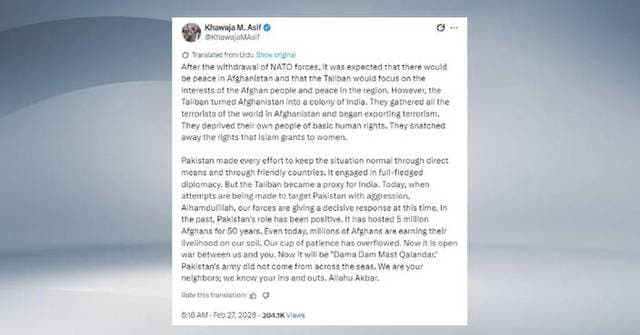
Pakistan Declares 'Open War' and Bombs Kabul, Kandahar
154 sources compared

Pakistan Kills Dozens, Including Children, in Overnight Air Strikes on Afghanistan
19 sources compared
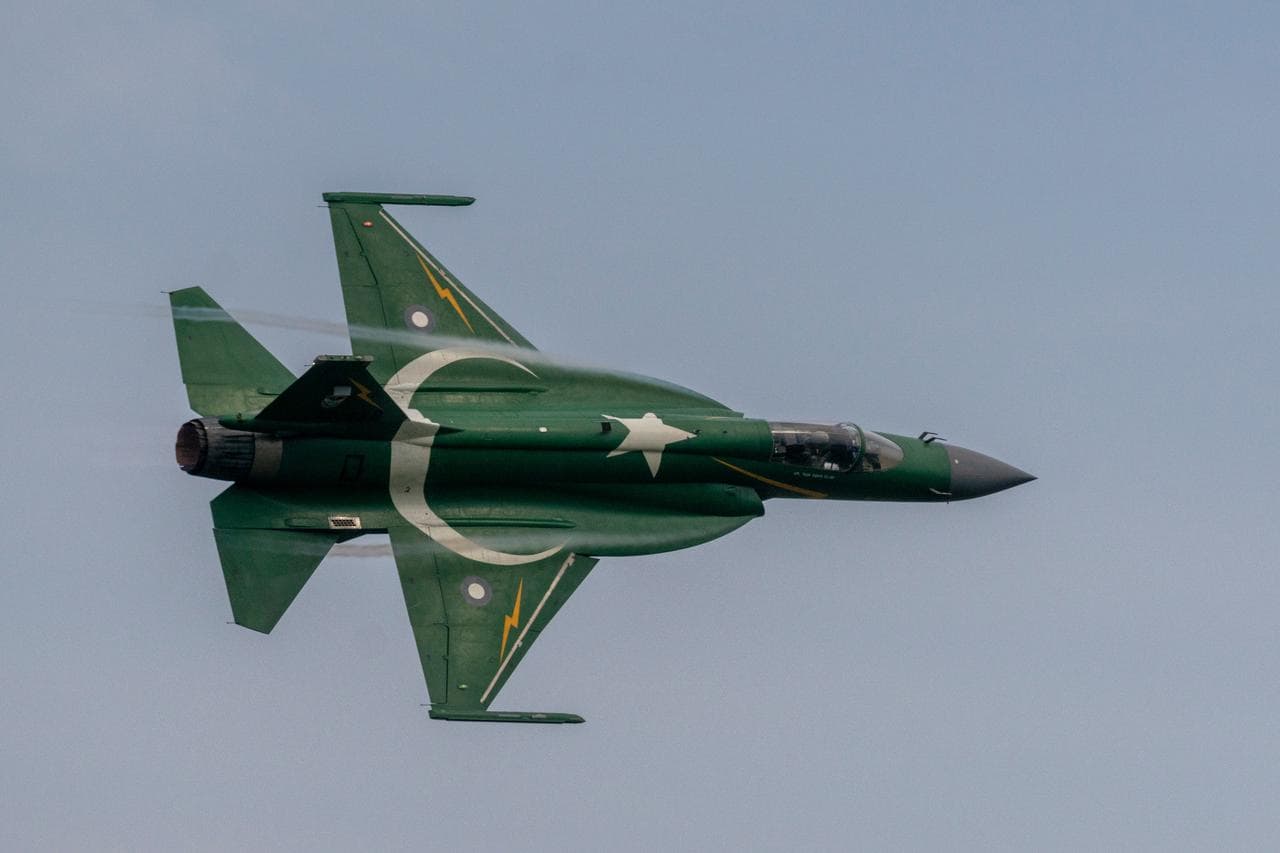
Pakistan in Talks With Saudi Arabia to Repay $2 Billion Loan with JF-17 Fighter Jets
21 sources compared