
Pakistan strikes Kandahar military facilities in Afghanistan
Key Takeaways
- Pakistan says overnight strikes hit Kandahar's military facilities and terrorist hideouts.
- Security sources say Pakistan destroyed technical infrastructure and an equipment storage facility in Kandahar.
- Escalation follows weeks of cross-border clashes between Pakistan and the Afghan Taliban.
Military Escalation
Pakistan launched significant military strikes against targets inside Afghanistan's Kandahar province on March 15, 2026.
“Pakistan says its forces launched new strikes overnight inside Afghanistan that “successfully” targeted military installations and “terrorist hideouts” as tensions between the South Asian neighbours mount”
According to Pakistani security sources, the operations successfully neutralized critical infrastructure including technical support hubs and specialized equipment storage facilities.

These facilities were being used by the Afghan Taliban and Tehreek-e-Taliban Pakistan (TTP) militants.
Pakistan's military described these strikes as part of ongoing operations against terrorist groups responsible for domestic violence.
State-run television claimed the attacks 'effectively destroyed' facilities used by militants 'against innocent Pakistani civilians'.
The operation targeted the power base of Taliban supreme leader Hibatullah Akhundzada.
Strategic tunnel networks allegedly utilized by both militant groups were also hit.
Contradicting Accounts
The Taliban administration in Afghanistan vehemently challenged Pakistan's narrative of the strikes.
Spokesperson Zabihullah Mujahid downplayed their military significance.
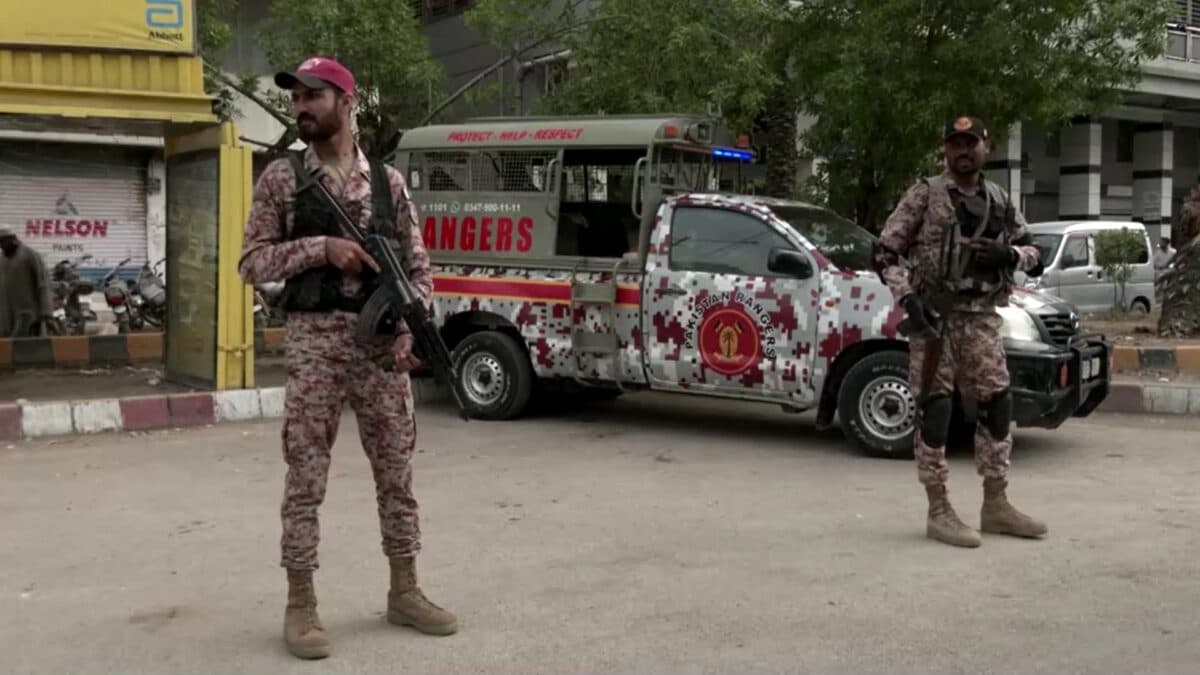
According to Taliban officials, the bombardment primarily damaged civilian facilities rather than strategic military targets.
Mujahid claimed the strikes affected 'a drug rehabilitation centre and empty storage containers.'
He insisted that the targeted sites lacked the strategic importance claimed by Pakistani officials.
Local accounts from Kandahar provided contrasting perspectives.
Residents described the 'roar of military aircraft overhead throughout the night' and witnessing 'flames erupting from mountainous terrain near military installations.'
Witnesses reported seeing military planes flying over mountainous areas with military facilities followed by explosions.
Additional aerial activity was reported from Spin Boldak and the eastern province of Khost.
Cross-Border Tensions
The military operation comes amid intensifying cross-border tensions that have escalated dramatically in recent weeks.
“The Pakistan military carried out overnight strikes in Afghanistan’s Kandahar province, targeting “terrorist hideouts and military infrastructure,” as the military continues its operation against the Afghan Taliban, state-run Pakistan TV reported on Sunday, citing security sources”
Islamabad launched its military operation against Afghanistan last month.
Pakistan accuses the Taliban government of harboring militant groups responsible for attacks within Pakistan.
Pakistan President Asif Ali Zardari's office had previously warned that the Afghan Taliban had 'crossed a red line' by targeting civilians.
This followed drone attacks launched from Afghanistan that were intercepted on Friday night.
These drone strikes were described as both 'locally produced and rudimentary.'
They targeted three locations in Pakistan including the military headquarters in Rawalpindi.
The drone attacks wounded civilians, including two children in Quetta and a civilian in Kohat and Rawalpindi.
Pakistan maintains its operations do not target civilians.
The Taliban government denies involvement in cross-border militancy and rejects accusations that Afghan territory is being used for such activities.
Humanitarian Impact
The intensified hostilities have had severe humanitarian consequences.
United Nations reporting indicates significant civilian casualties.
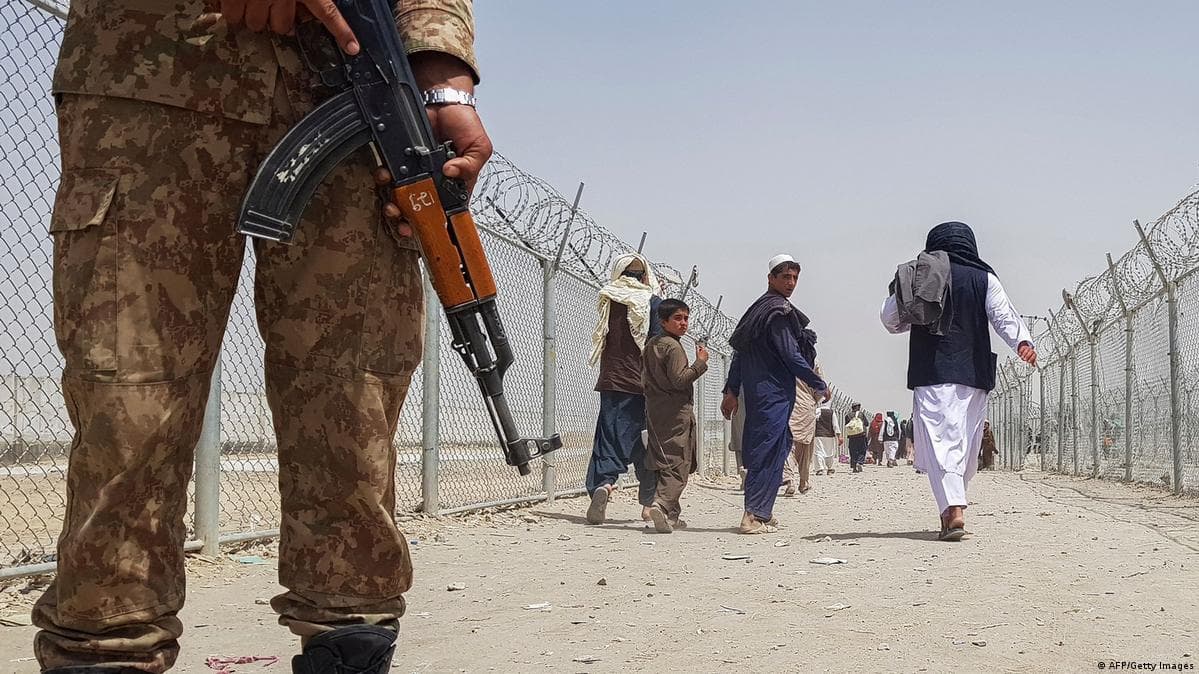
According to the United Nations assistance mission in Afghanistan, at least 75 civilians have been killed and 193 injured in Afghanistan due to the clashes since February 26.
The cross-border violence has also disrupted trade.
Residents near the frontier have been forced to flee their homes.
The strikes represent a major escalation in the ongoing regional security crisis.
They come just days after Pakistan had claimed to have successfully intercepted drone attacks targeting its territory.
The conflict between Pakistan and Afghanistan began intensifying two days before the US Israel war in Iran.
Military operations were launched in late February following Pakistani accusations that Afghan territory was being used to launch attacks against its civilian population.
Strategic Significance
The strategic significance of Kandahar as the target of Pakistan's military operations cannot be overstated.
“ISLAMABAD: Pakistan’s military has attacked military facilities in southern Afghanistan”
As the spiritual and operational heartland of the Taliban movement, Kandahar serves as the power base for Supreme Leader Hibatullah Akhundzada.
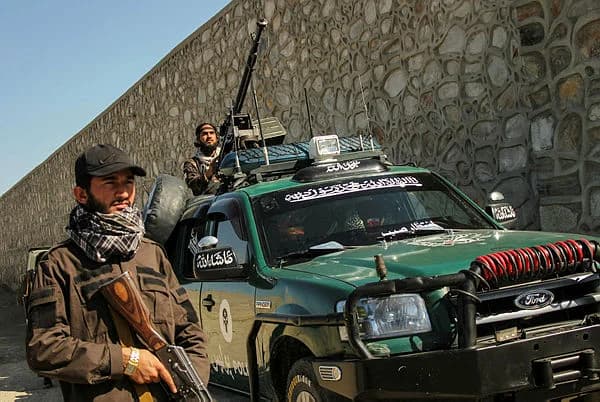
The region hosts critical infrastructure that supports both the Afghan Taliban and cross-border militant activities.
Kandahar contains technical support facilities and equipment storage depots that Pakistan claims are essential for sustaining militant operations against its territory.
By targeting this strategic hub, Islamabad aims to disrupt the Taliban's command and control structures.
The operation sends a clear message about Pakistan's determination to prevent Afghan soil from being used for attacks against Pakistani civilians.
The tunnel networks struck by Pakistani forces represent particularly sensitive infrastructure.
These tunnels provide routes for movement and potential storage of military equipment used by both the Afghan Taliban and the Tehreek-e-Taliban Pakistan.
More on Asia
Iran Strikes Italian Military Base in Erbil, Forcing Troops Into Bunkers
28 sources compared
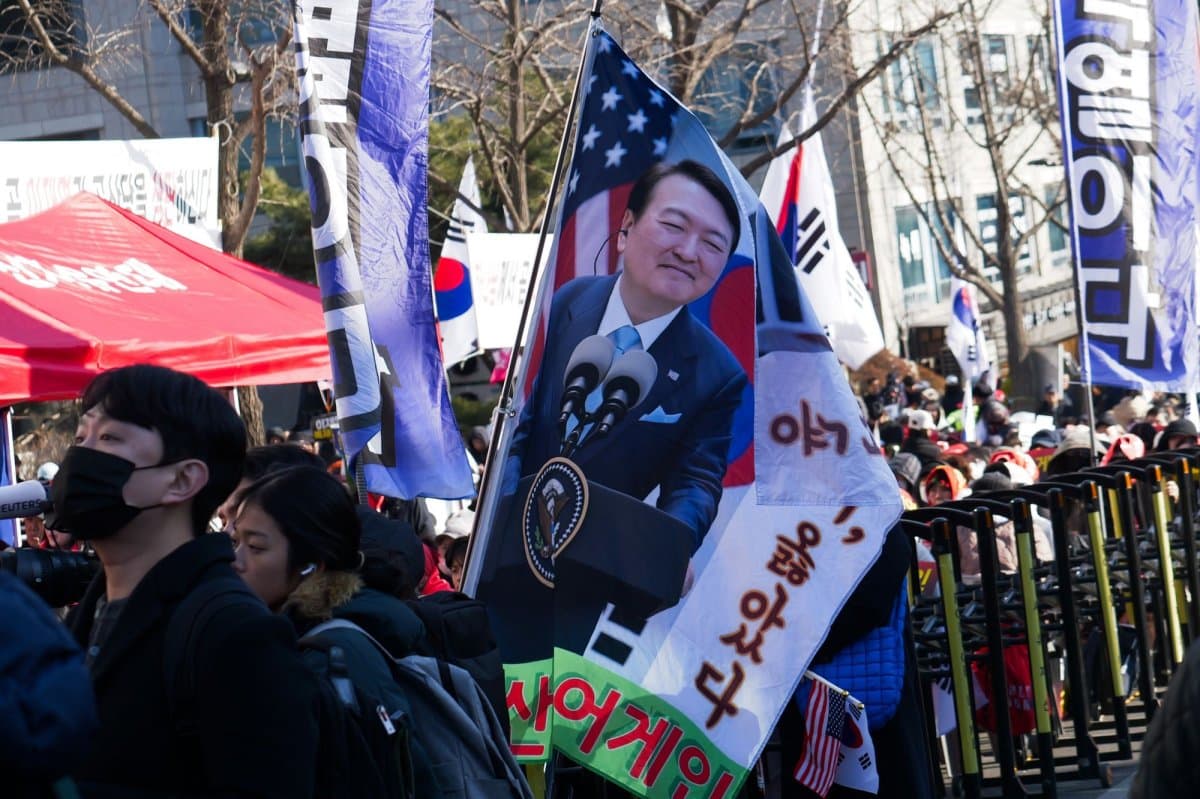
Former South Korean president Yoon Suk-yeol appeals life sentence for leading insurrection
14 sources compared

Diet Re-elects Sanae Takaichi as Prime Minister of Japan After LDP Landslide
14 sources compared

Former South Korean President Yoon Suk Yeol Apologizes After Life Sentence for Declaring Martial Law and Masterminding Insurrection
145 sources compared