Gaza Genocide25 October, 20253 min read
Pakistan Threatens Open War on Afghanistan if Istanbul Peace Talks Fail
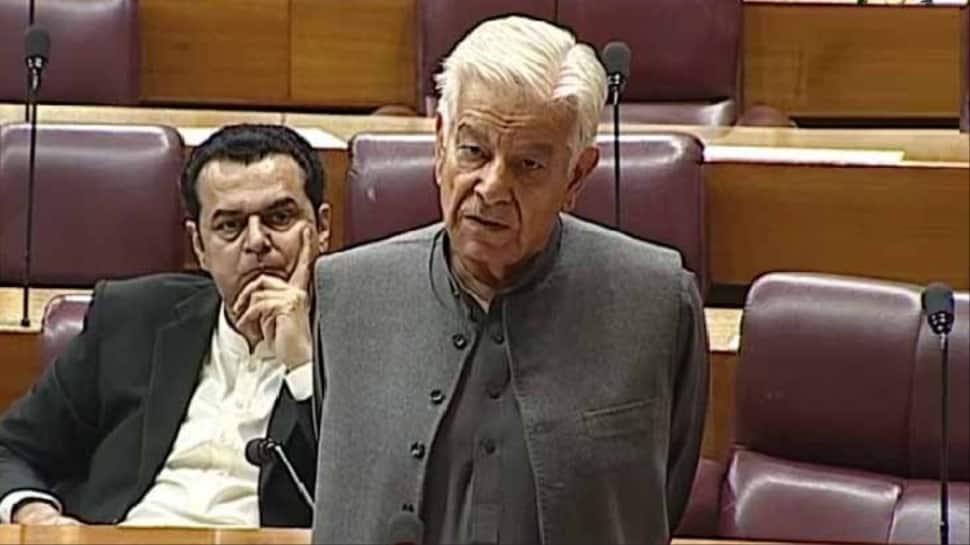
Pakistan’s Defence Minister Khawaja Asif warned of open war if Istanbul talks fail. The talks aim to establish a lasting ceasefire after deadly border clashes.
28 outlets told this the same way.
Pakistan-Afghanistan Peace Talks
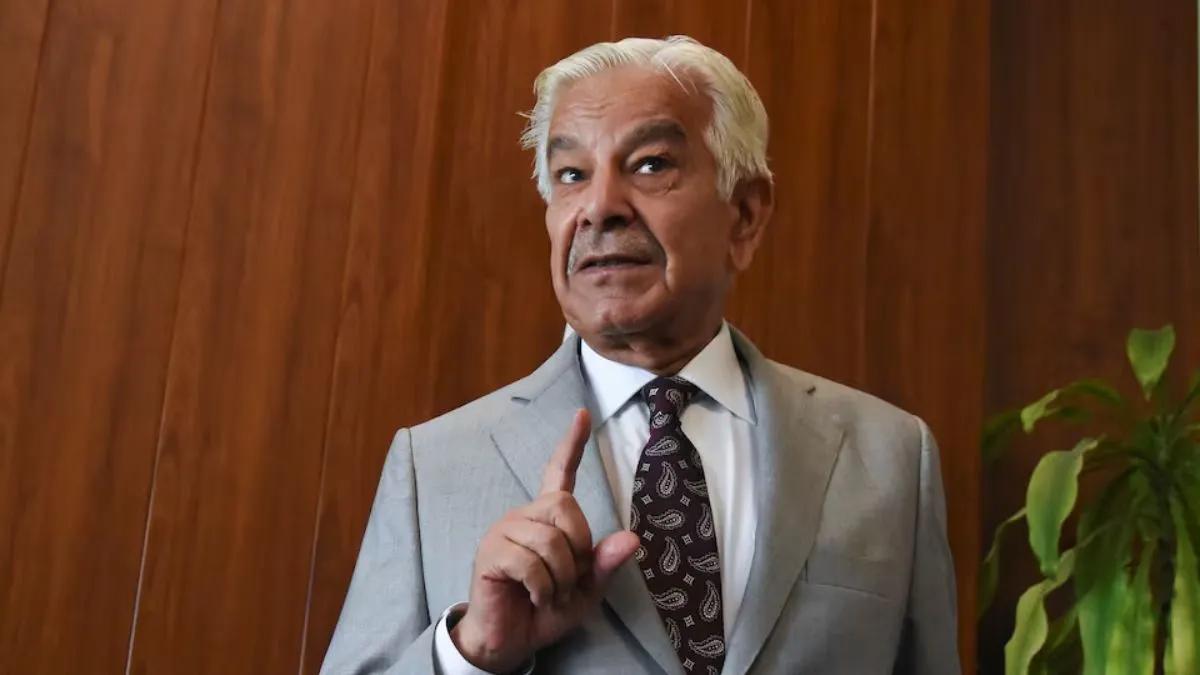
Pakistan’s defense minister Khawaja Muhammad Asif publicly warned that if the Istanbul talks with Afghanistan fail, Pakistan is prepared for “open war.” Negotiators from both sides are meeting under Qatari‑Turkish mediation to try to lock in a fragile truce. Multiple outlets confirm both the warning and the setting.
“Afghan and Pakistani negotiators are set to meet in Istanbul, Turkey, to discuss security and strengthen a ceasefire...”
Western Mainstream DW reports the Istanbul agenda is to “strengthen a ceasefire” after deadly cross‑border strikes. Asian outlets such as ABP Live English, Hindustan Times, and Moneycontrol echo Asif’s threat and note the current truce has largely held in recent days. Western Alternative TradingView also highlights the stark “open war” warning, underscoring how seriously Islamabad is framing the stakes of the Istanbul round.
Cross-Border Conflict Overview
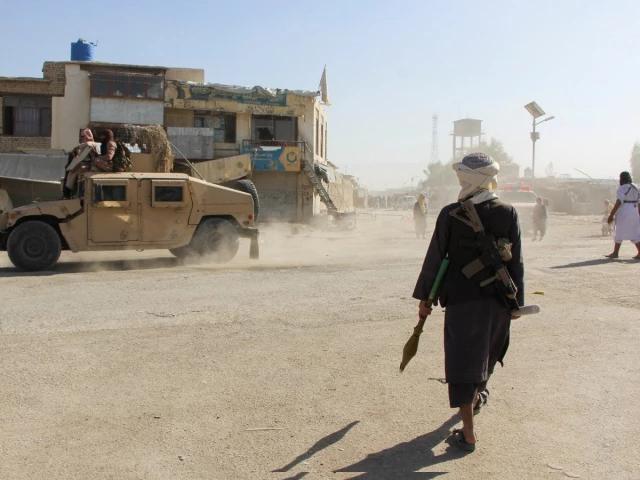
Sources disagree on how the latest round of cross-border killing began. DW and Hindustan Times report that explosions in Kabul were blamed on Pakistan by the Taliban, which then led to retaliatory strikes and Pakistani precision strikes. By contrast, Bhaskar English reports the fighting started on October 9 when Pakistan launched strikes on TTP bases in Kabul.
The UN later reported 37 Afghan civilians killed and 425 injured by Pakistani attacks. News18 adds that more recent Pakistani airstrikes killed 10 people, including two children.
Qatar and Turkey helped secure a second truce after an initial ceasefire collapsed. The only point of convergence is that the first ceasefire failed and the current truce is holding for now.
Pakistan-Afghanistan Negotiation Issues
What negotiators are bargaining over is clearer: Pakistan demands Kabul act against militants based in Afghanistan, especially the TTP and even the BLA, and seeks a monitoring or third-party oversight mechanism. The Taliban asserts sovereignty and territorial integrity. ABP Live English and DW report Pakistan’s focus on terrorism allegedly originating from Afghan soil.
“While the Taliban emphasizes defending Afghanistan’s sovereignty, Pakistan demands that any peace deal address terrorism originating from Afghan territory.”
The Daily Jagran specifies TTP and BLA and says Afghan authorities condemned Pakistani airstrikes as ceasefire violations. The Hans India adds Islamabad’s push for a third-party oversight structure possibly co-chaired by Turkey and Qatar. There is even inconsistency over who leads the Afghan delegation: ABP Live English and Mathrubhumi English name Deputy Interior Minister Haji Najib, while Free Press Journal names Deputy Interior Minister Rahmatullah Mujib.
Impact of Border Conflict
The fallout is also economic and social. Financial Express reports cross‑border trade in fruits and vegetables has been disrupted, causing losses and rising food prices in Pakistan and Pakistan‑occupied Jammu and Kashmir. Times of India says both sides issued trade warnings amid the border fighting.
Moneycontrol notes border closures in the worst bout of fighting since 2021. News18 adds a sports‑world protest: the Afghanistan Cricket Board withdrew from a T20 tri‑series after three Afghan cricketers were reported killed in Pakistan’s Paktika province. News18 also accuses recent Pakistani airstrikes of killing 10 people, including two children.

These sources collectively show how the crisis is hitting traders, consumers, and even cricket. However, the precise locations and timelines of some reported killings remain unclear from summaries.
Regional Tensions and Ceasefire Challenges
Regional politics complicate any ceasefire efforts. ABP Live English and Mathrubhumi English both highlight a rare visit by the Taliban foreign minister to India as a complicating factor. Financial Express reports that Asif accused India of waging a proxy war from Afghan soil.
“The situation is further complicated by the Taliban foreign minister’s recent visit to India...”
The Hans India adds another flashpoint: Taliban orders to accelerate dam construction on the shared Kunar (Chitral) River, which could trigger new water disputes. Bhaskar English points to a deeper root cause—the contested Durand Line dividing Pashtun lands—which continues to feed mistrust. These threads underscore that even if Istanbul yields a mechanism to sustain the truce, Asif’s threat of “open war” remains a looming risk amid unresolved disputes and competing regional agendas.