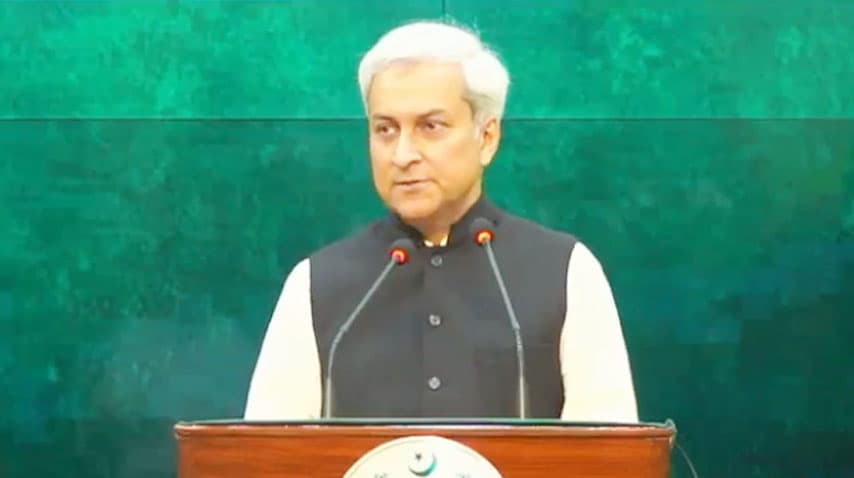
Pakistan urges restraint, diplomacy amid Middle East crisis: FO Spox
Key Takeaways
- Pakistan is actively engaging regional and international partners to promote restraint and diplomacy.
- Foreign Office Spokesperson Ambassador Tahir Andrabi affirmed Islamabad’s commitment to regional peace and stability.
- Foreign Office issued the statement from Islamabad on March 12.
Pakistan's diplomatic posture
On Mar 12, Foreign Office Spokesperson Ambassador Tahir Andrabi said Pakistan was actively engaging regional and international partners to promote restraint and diplomacy amid escalating hostilities in the Middle East.
“Foreign Office Spokesperson Ambassador Tahir Andrabi on Thursday said Pakistan was actively engaging regional and international partners to promote restraint and diplomacy amid escalating hostilities in the Middle East, while reaffirming Islamabad’s commitment to regional peace and stability”
He reaffirmed Islamabad’s commitment to regional peace and stability.
High-level contacts
Andrabi said Pakistan had consistently called for respect for sovereignty, adherence to international law, and renewed dialogue to prevent further escalation.
He outlined intensive diplomatic activity since the outbreak of violence on February 28, including a series of telephone calls by Prime Minister Shehbaz Sharif with leaders of Saudi Arabia, Qatar, Jordan, Bahrain, Oman, Türkiye, Lebanon, Malaysia and Azerbaijan.
He confirmed Prime Minister Shehbaz Sharif had departed for a one-day official visit to Saudi Arabia accompanied by Deputy Prime Minister and Foreign Minister Ishaq Dar to meet Crown Prince Mohammed bin Salman.
He described the visit as part of coordination between Pakistan and Saudi Arabia on regional peace, security and efforts to end the current cycle of violence.
Condemnations and contacts
Pakistan strongly condemned the attacks on the Islamic Republic of Iran as well as the retaliatory strikes by Iran on several Gulf countries including Saudi Arabia, Bahrain, Jordan, Kuwait, Qatar and the United Arab Emirates.
“Foreign Office Spokesperson Ambassador Tahir Andrabi on Thursday said Pakistan was actively engaging regional and international partners to promote restraint and diplomacy amid escalating hostilities in the Middle East, while reaffirming Islamabad’s commitment to regional peace and stability”
Pakistan called those actions violations of sovereignty that could destabilize the region further.
It also expressed concern over attacks targeting Türkiye and Azerbaijan, saying such actions violated international law and risked widening the conflict.
Andrabi said Foreign Minister Ishaq Dar had remained in close contact with regional and international counterparts, including multiple conversations with Iran’s Foreign Minister Seyed Abbas Araghchi and other leaders from the Gulf, Central Asia and beyond to promote dialogue and a peaceful resolution of the crisis.
Consular, security, nuclear
Ambassador Andrabi confirmed that two Pakistani nationals had lost their lives in the United Arab Emirates.
He said Pakistan’s missions in the UAE had facilitated repatriation of the deceased and were assisting bereaved families.
He added that the Foreign Ministry had activated its Crisis Management Unit and that Pakistan’s diplomatic missions had established facilitation desks, helplines and registration portals to assist stranded Pakistani citizens.
On Afghanistan, he reiterated Pakistan’s demand for verifiable assurances from Kabul that its territory would not be used for terrorist activities against Pakistan.
He said since such assurances have not been received Pakistan will continue to follow its existing policy and reserves the right to respond in self-defense against cross-border attacks.
He expressed concern over a recent uranium supply agreement between Canada and India, calling it a selective exception in civil nuclear cooperation that could undermine the global non-proliferation regime.
He warned assured uranium supplies could allow India to divert domestic reserves for military purposes, potentially accelerating expansion of its nuclear arsenal and aggravating strategic imbalances in South Asia.
He said civil nuclear cooperation should be based on a non-discriminatory, criteria-based approach applicable to all states outside the Nuclear Non-Proliferation Treaty framework and added: "Selective exceptions weaken the credibility of the global non-proliferation architecture and risk destabilizing regional and international peace and security."
More on Pakistan

Indian-Owned Sunrisers Leeds Sign Pakistan Spinner Abrar Ahmed, Breaking IPL-Linked Teams' Boycott
10 sources compared
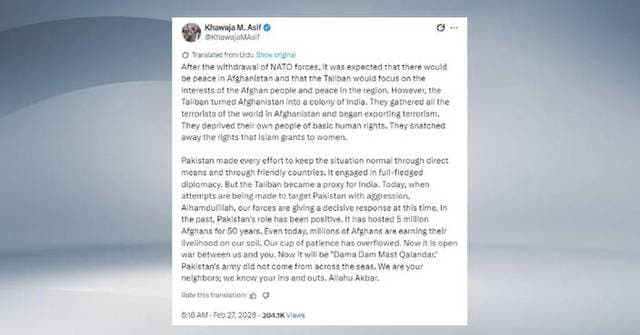
Pakistan Declares 'Open War' and Bombs Kabul, Kandahar
154 sources compared

Pakistan Kills Dozens, Including Children, in Overnight Air Strikes on Afghanistan
19 sources compared
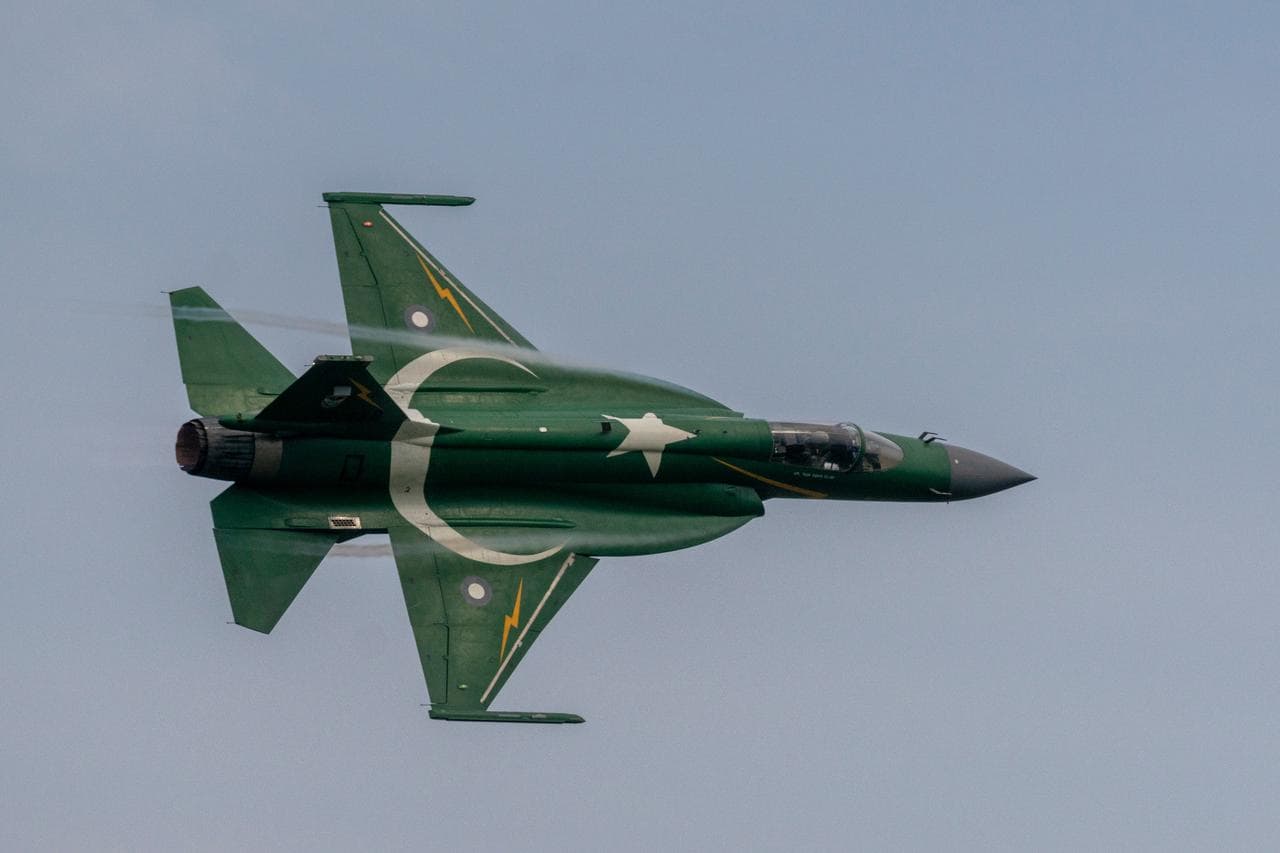
Pakistan in Talks With Saudi Arabia to Repay $2 Billion Loan with JF-17 Fighter Jets
21 sources compared