Gaza Genocide29 September, 20252 min read
Palestinian Authority Endorses Trump’s Gaza Peace Plan Amid Regional Backlash
Palestinian Authority officially endorses Trump’s 20-point Gaza peace plan. Palestinian government commits to assuming governance responsibilities in Gaza and unifying with West Bank.
19 outlets told this the same way.
Outlets did split on Israel Marks Oct. 7 Anniversary With Strikes on Gaza, Netanyahu Faces Election After Nova Tribute →
Peace Plan for Gaza Conflict
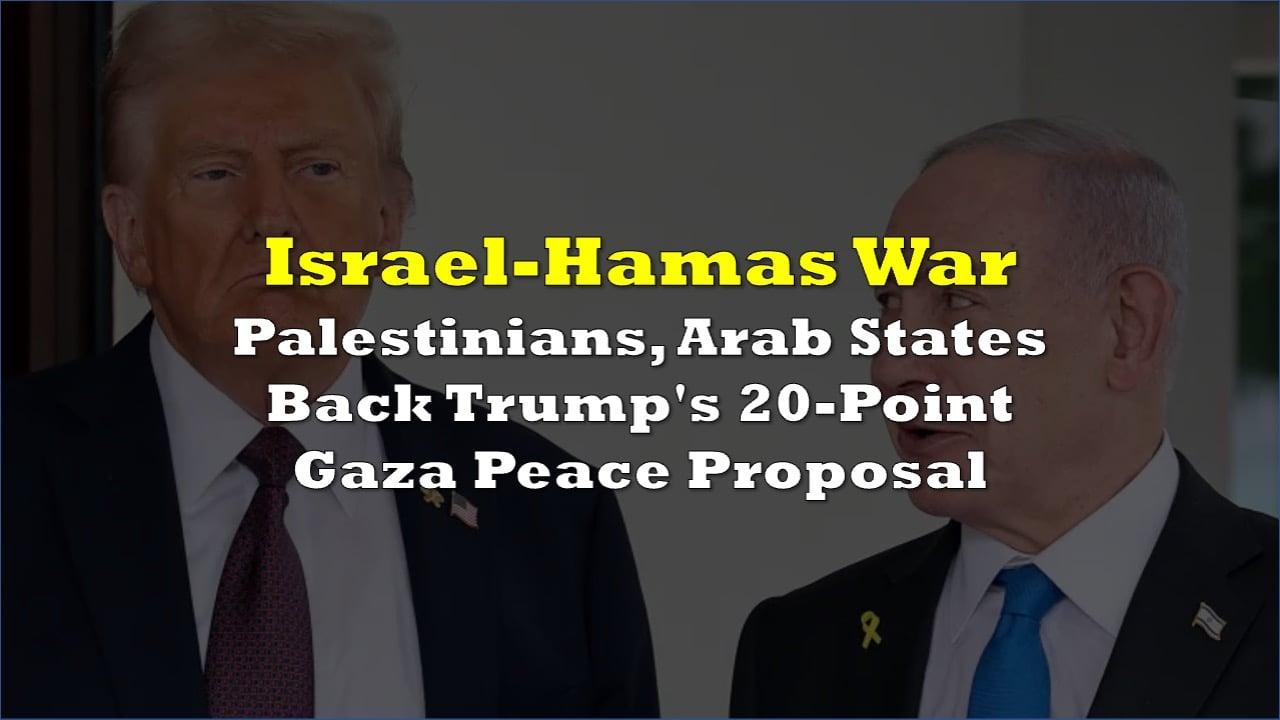
The Palestinian Authority (PA) has expressed support for a peace plan proposed by former U.S. President Donald Trump, aimed at ending the war in Gaza.
“Several countries, including Qatar, Jordan, the UAE, Pakistan, Turkey, Saudi Arabia, Egypt, and Indonesia, expressed confidence in former President Donald Trump's ability to secure peace for Gaza.”
This plan includes a 20-point proposal and has been endorsed by several Arab nations, including Qatar, Jordan, the UAE, Indonesia, Pakistan, Turkey, Saudi Arabia, and Egypt.

The plan calls for an immediate ceasefire, the release of hostages, and the demilitarization of Gaza.
It also proposes a temporary governance structure for Gaza, led by a technocratic Palestinian committee and overseen by an international "Board of Peace" chaired by Trump.
The PA's endorsement of the plan highlights its willingness to engage with the U.S. and regional partners to achieve a comprehensive agreement to end the conflict.
Regional Reactions to Peace Plan
Despite the Palestinian Authority's endorsement, the plan has faced backlash from various regional actors. Egypt, for instance, has expressed dissatisfaction with the plan, arguing that it sidelines the Palestinian Authority and is too weak on Palestinian sovereignty.
Egypt insists on a clear mandate for Israel's full withdrawal from Gaza before committing troops to any international peacekeeping force. This stance reflects broader concerns about the plan's provisions regarding Palestinian governance and the potential for lasting peace in the region.

Gaza Governance and Reconstruction Plan
The plan's proposal for Gaza's governance involves a transitional government led by technocrats, focusing on economic rebuilding and the immediate release of hostages. However, it does not support a two-state solution or recognize a Palestinian state, which has been a point of contention.
“The plan does not support a two-state solution or recognize a Palestinian state but aims for a political roadmap involving direct talks between Israel and Palestinian representatives.”
The U.S. would lead economic development efforts, with humanitarian aid managed by the UN. Arab and Muslim countries have pledged support for Gaza’s demilitarization and reconstruction, but the lack of a two-state solution remains a significant obstacle to broader acceptance of the plan.
Response to Peace Plan
Hamas has responded cautiously to the plan, expressing willingness to release hostages but rejecting disarmament. They assert that armed resistance is a right. Analysts caution that Hamas’ stance and Israel’s security concerns may hinder the plan’s success.
The upcoming weeks are seen as critical for diplomatic progress, with the potential for increased tensions if the plan fails to gain broader acceptance. The plan's success largely depends on the cooperation of regional actors and the ability to address core issues such as Palestinian sovereignty and Israeli military actions in Gaza.