Technology and Science08 October, 20253 min read
Palestinian Refugee Omar Yaghi Wins 2025 Nobel Prize in Chemistry for Pioneering Molecular Architecture
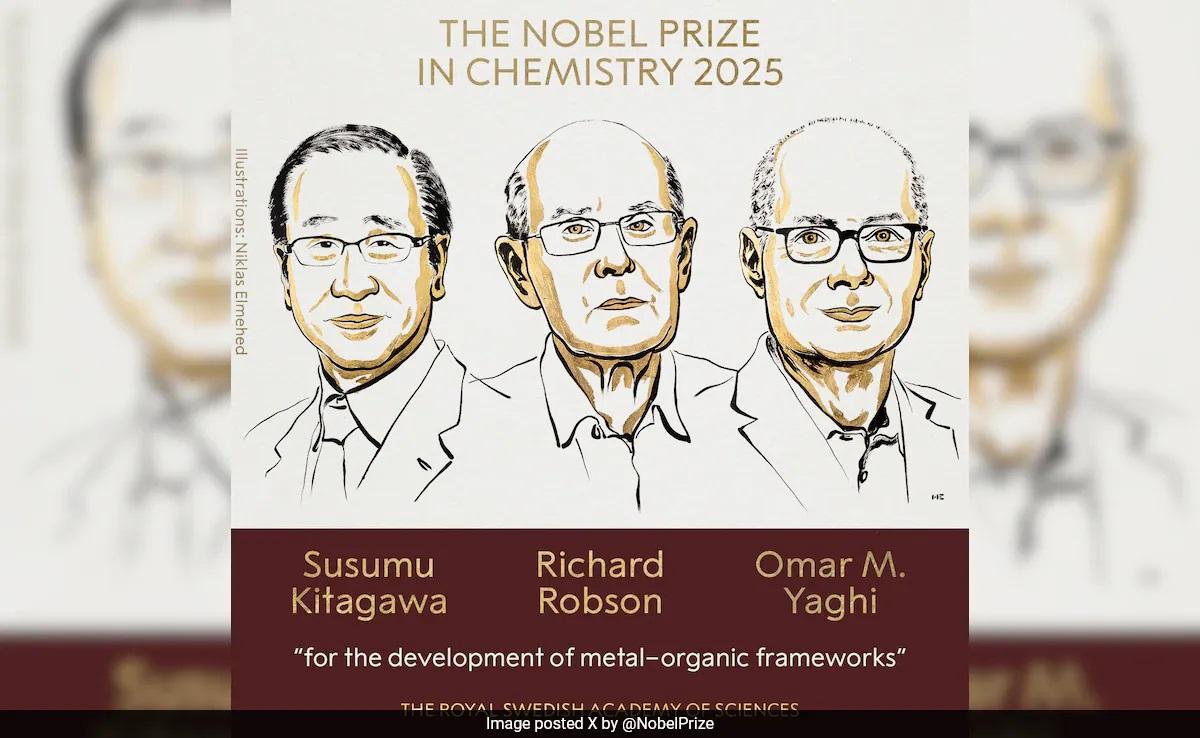
Omar Yaghi, Susumu Kitagawa, and Richard Robson won the 2025 Nobel Prize in Chemistry. They were recognized for pioneering metal-organic frameworks (MOFs), porous molecular structures.

88 outlets told this the same way.
Nobel Prize for MOF Innovation
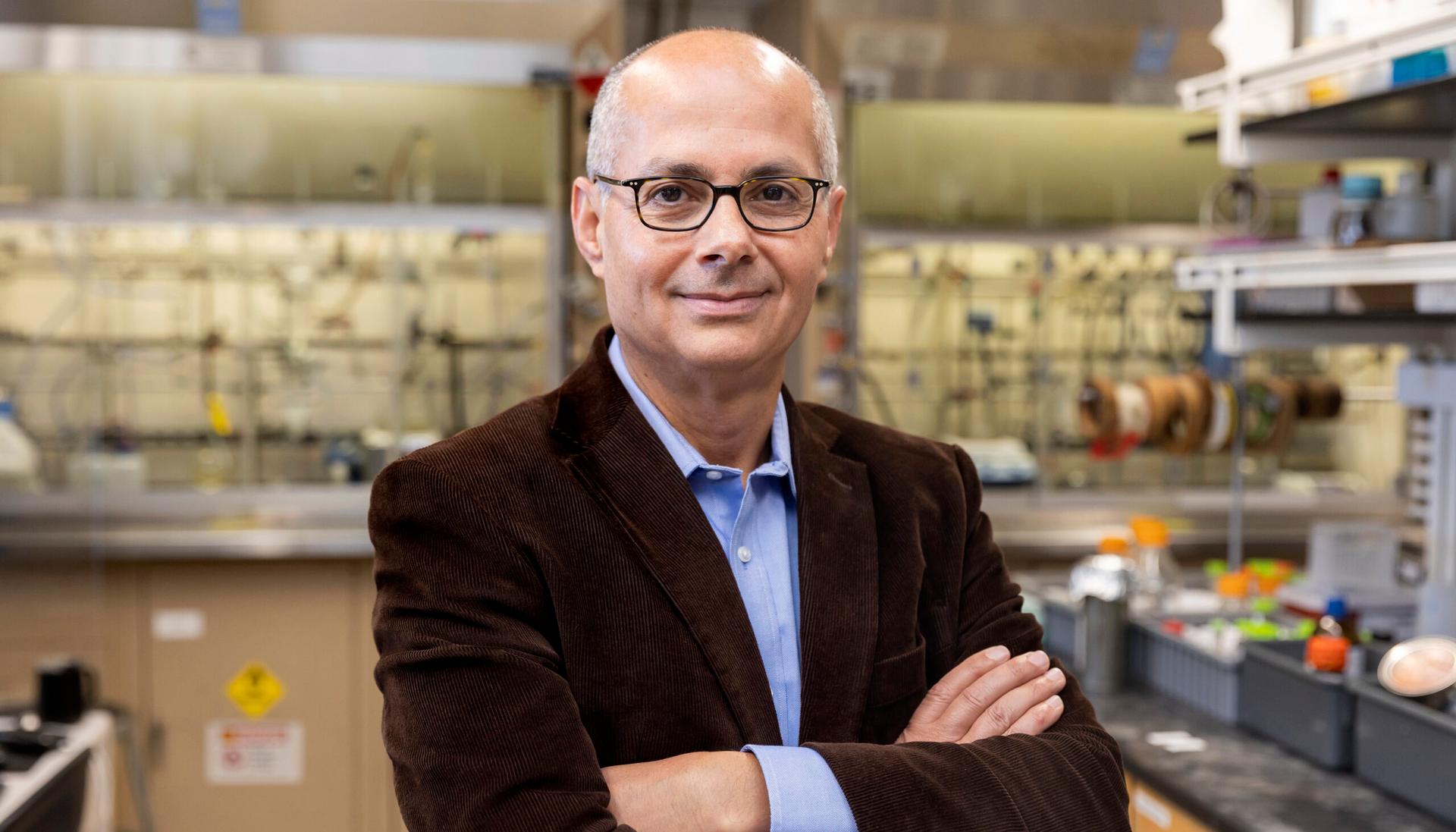
Palestinian refugee–born chemist Omar M. Yaghi was named a co-recipient of the 2025 Nobel Prize in Chemistry along with Susumu Kitagawa and Richard Robson.
“Three scientists—Susumu Kitagawa, Richard Robson, and Omar M. Yaghi—were awarded the 2025 Nobel Prize in Chemistry for their pioneering development of metal–organic frameworks (MOFs).”
They were recognized for developing metal–organic frameworks (MOFs), which are porous molecular architectures capable of capturing, storing, or breaking down gases and chemicals.
These MOFs have a wide range of applications, including harvesting water from desert air and capturing carbon dioxide.
Western mainstream media reported on the award and highlighted the unique capabilities of MOFs, with NBC comparing them to “Hermione’s enchanted handbag.”
Asian and West Asian outlets emphasized Yaghi’s identity and journey, noting that he is the first Palestinian scientist to win a Nobel Prize.
Yaghi described the achievement as the culmination of “quite a journey.”
Yaghi's Impact on Porous Materials
Scientific accounts converge on Yaghi’s foundational role in reticular chemistry and the creation of highly porous metal-organic frameworks (MOFs) that spawned a vast materials family and practical solutions. Gulf News and the University of California profile credit him with pioneering reticular chemistry and related platforms such as covalent organic frameworks (COFs) and zeolitic imidazolate frameworks (ZIFs).
Technical roundups detail wide-ranging applications of these materials, including removal of PFAS, pharmaceutical cleanup, hydrogen storage, catalysis, and clean energy uses. The scale of the field is variously described as producing tens of thousands to over 100,000 MOFs, reflecting different emphases on growth and scope across outlets.

Yaghi's Background and Recognition
Outlets consistently recount Yaghi’s path from a Palestinian refugee family in Jordan to a top U.S. chemist. He grew up in a small, crowded home without electricity and moved to the United States at 15 encouraged by his father. He worked while studying and later reflected on science as an 'equalising force.'
“Omar M. Yaghi, born in 1965 in Amman, Jordan to Palestinian refugee parents, rose from humble beginnings—growing up in a small, electricity-free room...”
Coverage also records his emotional reaction to the Nobel and the diaspora’s pride, with some stories explicitly styling him as the “son of Gaza.” At the same time, several West Asian sources report debate over his nationality and citizenships, noting Jordanian birth, Palestinian heritage, and later Saudi nationality.
Technological Impact and Contexts
Reports emphasize the real-world impact of emerging technologies. Both technical and mainstream sources highlight innovations such as water-from-air devices and emissions capture. Some Asian and West Asian outlets relate these scientific advances to specific humanitarian situations.
CBC highlights industrial-scale decarbonization efforts, particularly focusing on cement emissions. i24NEWS describes additional capabilities of the technology, including conductivity. Tribune India mentions the technology's role in cleaning pharmaceutical residues.
The Business Standard connects the potential of these technologies to water-scarce regions like Gaza. PressTV places the achievement within the context of the Gaza conflict, noting the loss of scholars and the difficulties faced by Palestinians.
Recognition and Impact of Yaghi
Profiles highlight Yaghi’s positions at UC Berkeley and Lawrence Berkeley Lab. He founded several global institutes and received major honors including the Wolf Prize, Tang Prize, and the 2025 Von Hippel Award. TRT World reports his scientific impact with over 300 papers and 250,000 citations.
“He directs research centers... and has received numerous prestigious awards, including the 2025 Von Hippel Award and the 2024 Tang Prize in Sustainable Development.”
Western Mainstream sources mention the Nobel ceremony date and the accompanying cash award. University and local outlets express institutional pride, with Berkeley leaders describing his story as an American dream realized. Some coverage diverges into other or conflicting Nobel news, showing differences in focus among various outlets.