Technology and Science25 June, 20263 min read
Paris Court Orders TotalEnergies To Revise Climate Vigilance Plan To Include Scope 3 Emissions
This article is an automated aggregation of coverage from news outlets. Our editorials offer in-depth analysis curated by the NewsCord team.
Paris court orders TotalEnergies to include Scope 3 emissions in vigilance plan. Six-month deadline to update the plan and address customer-use emissions.
Scope 3 in Vigilance
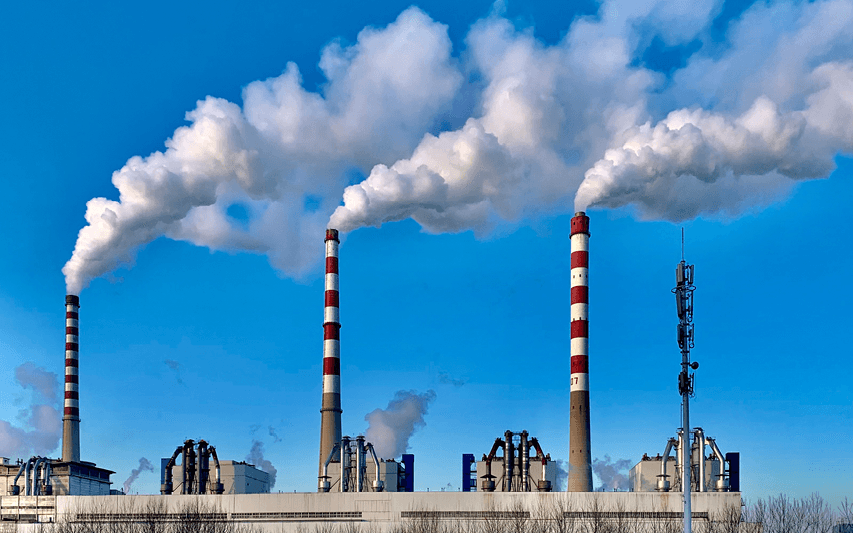
A Paris court ordered TotalEnergies to revise its climate vigilance plan to include greenhouse gas emissions generated by customers’ use of its oil and gas products, ruling that the company’s plan was incomplete because it failed to account for so-called "Scope 3" emissions. The Anadolu Ajansı report said the court ordered TotalEnergies to revise its climate vigilance plan within six months by incorporating those customer emissions, and it ordered the company to update its risk assessment and include measures addressing them. The decision was tied to France’s 2017 duty of vigilance law, which requires large companies to identify and prevent serious risks related to human rights, workers' health and safety, and environmental harm throughout their operations and supply chains.
The court stopped short of imposing specific emissions reduction targets or ordering TotalEnergies to halt new hydrocarbon projects, according to Anadolu Ajansı, while also keeping the case under judicial supervision with a review after the six-month deadline. In a separate account, Le Monde.fr said the court ordered TotalEnergies to "complete its current due diligence plan, within six months of notification of the decision, by adding Scope 3 greenhouse gas emissions to its map of risks and the measures relating to them."

Court, NGOs, and Total
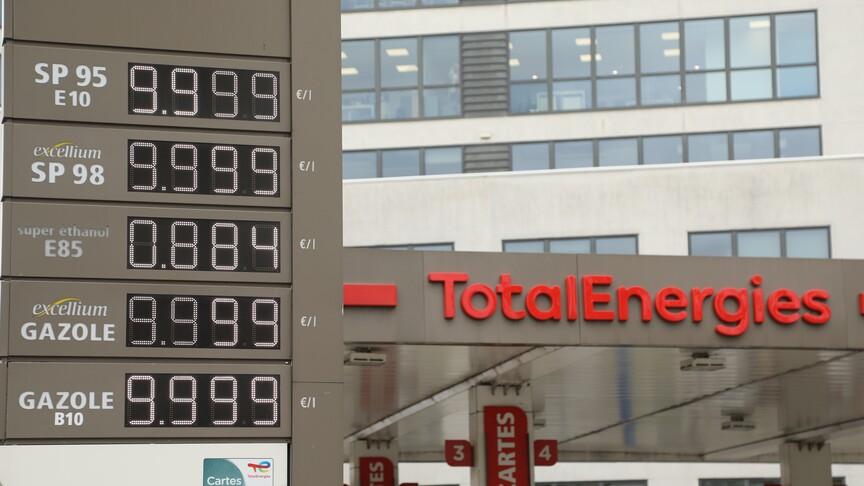
The ruling drew direct reactions from climate advocates, with Théa Bounfour of Sherpa telling Inside Climate News that "This decision is really important because it paves the way for climate accountability of multinational companies in France." Inside Climate News also quoted Bounfour saying the court sent "a very, very clear message that fossil fuel companies are responsible for all of their emissions, including those generated by customers using their products." TotalEnergies, for its part, argued during the trial that it had no control over end users, with Le Monde.fr quoting the company: "We can take action at our production sites, but we have no control over our clients' equipment."
Le Monde.fr reported that since 2017 French law has required companies with more than 5,000 employees in France (or more than 10,000 worldwide) to implement a due diligence plan, and it framed the case as France’s first climate trial against a major oil and gas company. The same Le Monde.fr account said the Paris city authority called the judgment "a major decision in the history of French climate law," and it quoted Alice Timsit, deputy mayor of Paris in charge of environmental transition matters, saying "For the first time, the court recognizes that climate risks do fall under the due diligence obligations of major companies".
Next Hearing and Implications
The court’s order set a timeline for follow-up, with Anadolu Ajansı saying the case would remain under judicial supervision and the court would review TotalEnergies’ revised vigilance plan after the six-month deadline. Inside Climate News reported that another hearing is scheduled for January, when the court will consider whether TotalEnergies’ revised plan is adequate and whether it could order additional or more specific measures such as reducing emissions or curbing oil and gas expansion. In its statement after the ruling, TotalEnergies said it "takes note of the Court’s request to also include customers’ emissions (Scope 3) in its vigilance plan and to update it accordingly," according to Inside Climate News.
Le Monde.fr described the broader stakes as a shift in how France’s due diligence obligations apply to climate risks, saying the court recognized that climate risks "do fall under the due diligence obligations of major companies" and that "no fossil fuel multinational can escape them," as quoted from Alice Timsit. The AEF info account added that a larger, two-day hearing at the Paris judicial court would open on Thursday, February 19, 2026, described as the largest ever on the duty of vigilance, focusing on TotalEnergies’ climate responsibility and its obligations.