
Pentagon Considers Suspending Spain From NATO Over Iran War Support Dispute
Key Takeaways
- Pentagon email floated suspending Spain from NATO and reviewing Britain's Falklands claim.
- Spain refused US use of bases and airspace for Iran war operations.
- Spain's prime minister dismissed the reports, saying he was not worried.
Pentagon memo targets NATO
The United States is considering options for punishing NATO allies it believes failed to support American operations during the Iran war, according to a Pentagon memo seen by Reuters and described in multiple reports.
The proposals include suspending Spain from the political and military alliance and reviewing the UK’s claim to the Falkland Islands, as Reuters reported and the BBC repeated in its explainer.
The BBC said a Nato official told it that "Nato's founding treaty does not foresee any provision for suspension of Nato membership, or expulsion".
Foreign Policy described the internal Defense Department email as prepared by the Pentagon’s chief policy advisor, Elbridge Colby, and said the penalties would respond to European nations’ reluctance or refusal to allow U.S. forces to use their bases to launch attacks on Iran.
In that account, Access, basing, and overflight rights are "just the absolute baseline for NATO," Colby reportedly wrote, echoing Donald Trump’s criticism that NATO is a "paper tiger".
The Washington Post’s reporting on the dispute also framed the issue as a Spain-U.S. disagreement at NATO, while the Independent said the Pentagon was weighing punitive measures against NATO allies including Spain for their reluctance to support American operations in the Iran war.
Iran war access dispute
The reported punitive options are tied to a specific access dispute during the Iran war, with Spain and the UK described as central flashpoints.
Foreign Policy said Spain, along with Italy and France, refused to let U.S. troops use their bases or airspace to strike Iran, and it specified that the U.S. military has access to two key Spanish bases: Naval Station Rota and Morón Air Base.
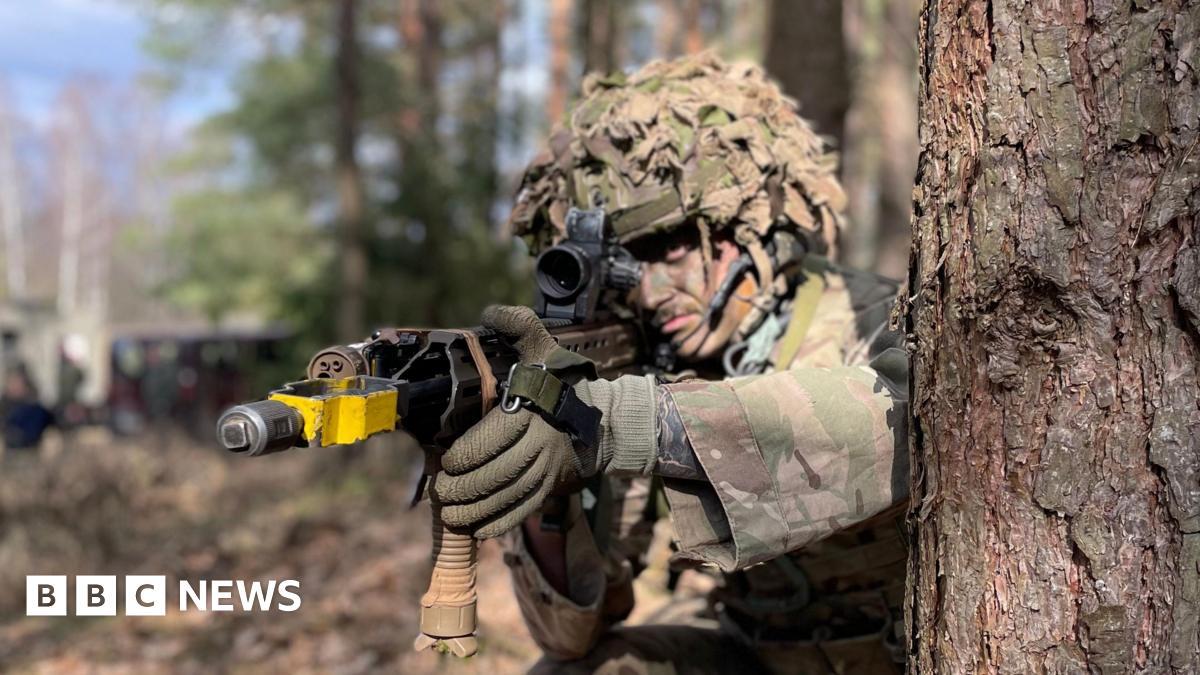
It added that Trump threatened in March to “cut off all dealings” with Madrid, telling reporters, “We don’t want anything to do with Spain.”
Euronews similarly reported that Spain was in the spotlight after refusing the US use of its bases and airspace, and it said the internal Pentagon email outlined options for punishing NATO allies over their non-involvement in the Iran war.
Euronews also quoted Spanish officials: Foreign Minister José Manuel Albares told Spanish public television on 2 March, "We will not lend our bases for anything that is not in the Treaty or consistent with the UN Charter," and Defence Minister Margarita Robles told reporters, "Neither the bases are authorised, nor, of course, is the use of Spanish airspace authorised for any actions related to the war in Iran."
On the UK side, Foreign Policy said London initially refused to allow U.S. aircraft to attack Iran from two British bases, but that British Prime Minister Keir Starmer later relented to allow access for defensive missions, while Trump’s frustration remained part of the broader pressure campaign.
Trump, Wilson, and Sánchez
The dispute over NATO punishment is presented in the sources as part of a broader pattern of criticism by Donald Trump and a direct response by Pentagon officials.
The BBC said Trump has repeatedly criticised NATO allies for their reluctance to play a greater role after the US and Israel attacked Iran in late February and Iran subsequently restricted shipping through the key Strait of Hormuz route, and it quoted Trump’s Truth Social post after a meeting with NATO Secretary General Mark Rutte: "NATO WASN'T THERE WHEN WE NEEDED THEM, AND THEY WON'T BE THERE IF WE NEED THEM AGAIN."
Euronews reported that Pentagon Press Secretary Kingsley Wilson did not deny the existence of the email and said, "As (US) President (Donald) Trump has said, despite everything that the United States has done for our NATO allies, they were not there for us."
Euronews added that Wilson said, "The War Department will ensure that the president has credible options to ensure that our allies are no longer a paper tiger and do their part," and it repeated that the War Department would ensure options to address the “paper tiger” framing.
Against that pressure, Spanish Prime Minister Pedro Sánchez told reporters, "We do not work off emails. We work off official documents and government positions, in this case of the United States," and he reiterated, "The Spanish government's position is clear — absolute cooperation with the allies, but always within the framework of international legality," according to the Independent.
DW reported Sánchez said he was "not worried" after the report suggested the US is considering expelling Spain from NATO, and it quoted him saying, "Spain is a reliable member within NATO," while also stating, "As a result, I am absolutely not worried."
How outlets frame the same memo
While the underlying reporting centers on the same Pentagon email described by Reuters, the sources diverge in emphasis, tone, and the political implications they highlight.
Foreign Policy frames the memo as U.S. frustration with NATO allies over Iran-war access, and it explicitly ties the options to Elbridge Colby’s reported line that Access, basing, and overflight rights are "just the absolute baseline for NATO," while also noting that Foreign Policy has not independently confirmed the email.
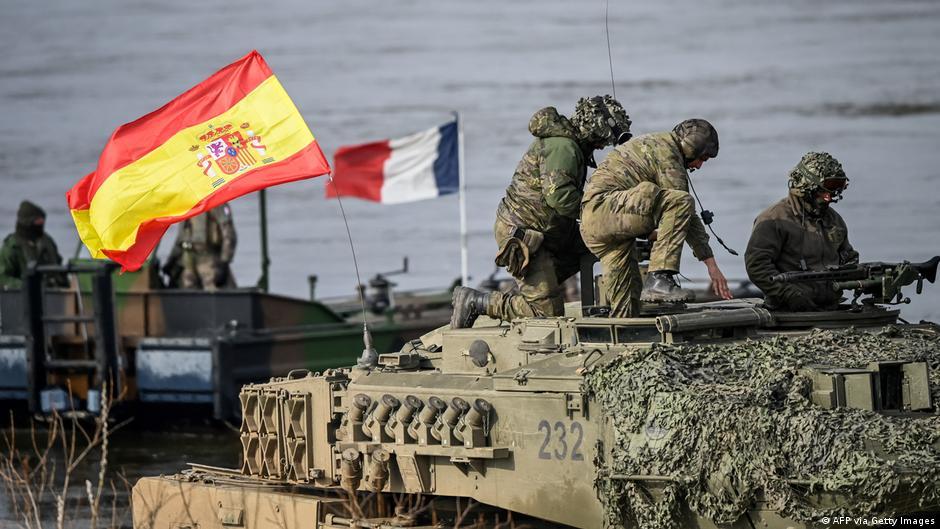
The Independent similarly relies on Reuters’s unidentified U.S. official and describes Spain’s response at an EU summit in Cyprus, quoting Sánchez: "Well, we do not work with emails. We work with official documents and positions taken, in this case, by the government of the United States."
Euronews, by contrast, emphasizes the operational and diplomatic framing of the email as circulating at high levels in the Pentagon and states that the document is neither an official memo nor an executive order, but that its contents carry weight as it circulates among senior commanders.
DW focuses on Spain’s reaction and the legal uncertainty around any suspension, stating that NATO operates by consensus and that it is not clear how a potential suspension would work because there is no mechanism to allow for such a step.
The Washington Post’s framing centers on Sánchez sidestepping a Spain-U.S. dispute at NATO, brushing off reported Pentagon email, while the New York Post presents the episode as punishment plans and includes a claim about legislation authored by Marco Rubio requiring congressional approval to pull the U.S. from NATO.
Legal limits and next steps
The sources also lay out the legal and procedural constraints that shape what the U.S. can do next, even as it floats punishment options.
“Washington has been considering sanctioning NATO allies over their non-involvement in the Iran war, with Spain in the spotlight after refusing the US use of its bases and airspace, according to reports”
The BBC said a Nato official told it that "Nato's founding treaty does not foresee any provision for suspension of Nato membership, or expulsion," and it added that the only time Article 5 has been invoked was after the 9/11 attacks against the US in 2001.

The Independent and DW both stressed that NATO’s founding treaty lacks any mechanism for suspending or expelling member states, while allowing voluntary withdrawal with a year’s notice, and DW said NATO operates by consensus.
Euronews similarly stated that the alliance's founding charter provides no mechanism for expelling or suspending a member state and that the only article addressing exit is Article 13, which allows voluntary withdrawal.
At the same time, the sources describe U.S. officials insisting that the administration will pursue “credible options” to change allied behavior, with Kingsley Wilson saying, "The War Department will ensure that the President has credible options to ensure that our allies are no longer a paper tiger and instead do their part."
Foreign Policy added that the email did not suggest the U.S. withdraw from NATO or close down military bases in Europe, and it said the policy options would be intended to send a strong signal to NATO allies with the goal of "decreasing the sense of entitlement on the part of the Europeans."
More on USA

U.S. Denies Entry To Somali Referee Omar Artan Ahead Of 2026 World Cup
25 sources compared

Nithya Raman Edges Out Spencer Pratt in Los Angeles Mayoral Race as Votes Continue
19 sources compared

Trump Warns Netanyahu He May Be On His Own If Israel Resumes Iran Strikes
17 sources compared

Federal Judge Leo Sorokin Voids Trump’s $100,000 H-1B Visa Fee In Boston
22 sources compared