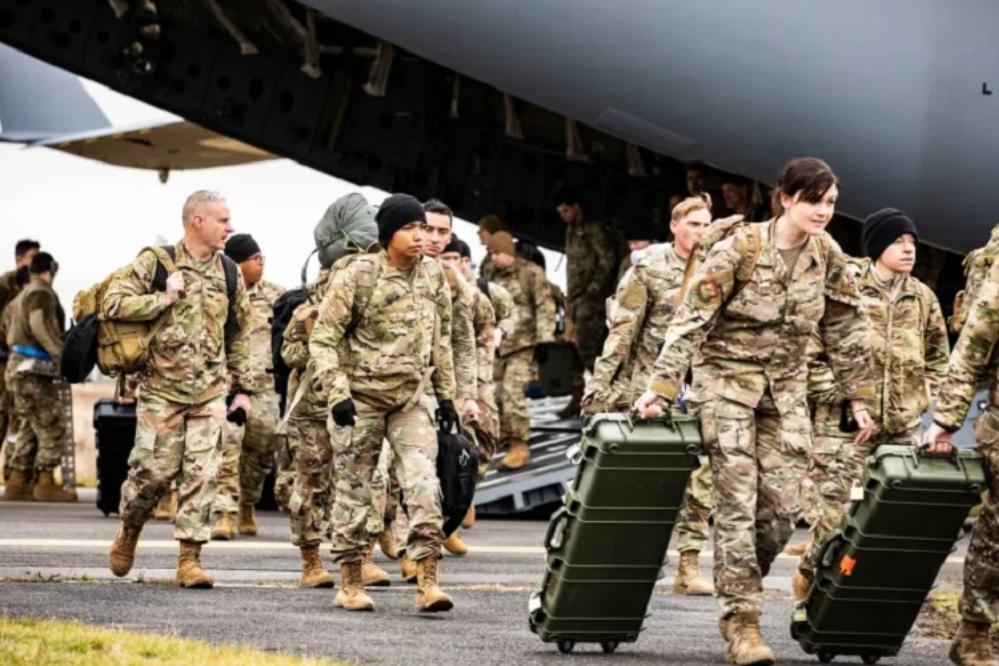
Pentagon Orders Withdrawal Of 5,000 US Troops From Germany Over Iran Dispute
Key Takeaways
- Pentagon to withdraw about 5,000 U.S. troops from Germany.
- Troops redeployed to the United States and other overseas posts.
- Move follows a dispute with German Chancellor Merz over Iran war.
Troops Ordered Out
The United States ordered the withdrawal of roughly 5,000 troops from Germany, with the Pentagon saying the move would be completed over the next six to 12 months.
“In the president's crosshairs are Spain and Germany as well: 'When we needed them, they weren't there”
Chief Pentagon spokesman Sean Parnell confirmed the decision in a statement, writing that “This decision follows a thorough review of the Department’s force posture in Europe and is in recognition of theater requirements and conditions on the ground,” and adding, “We expect the withdrawal to be completed over the next six to twelve months.”
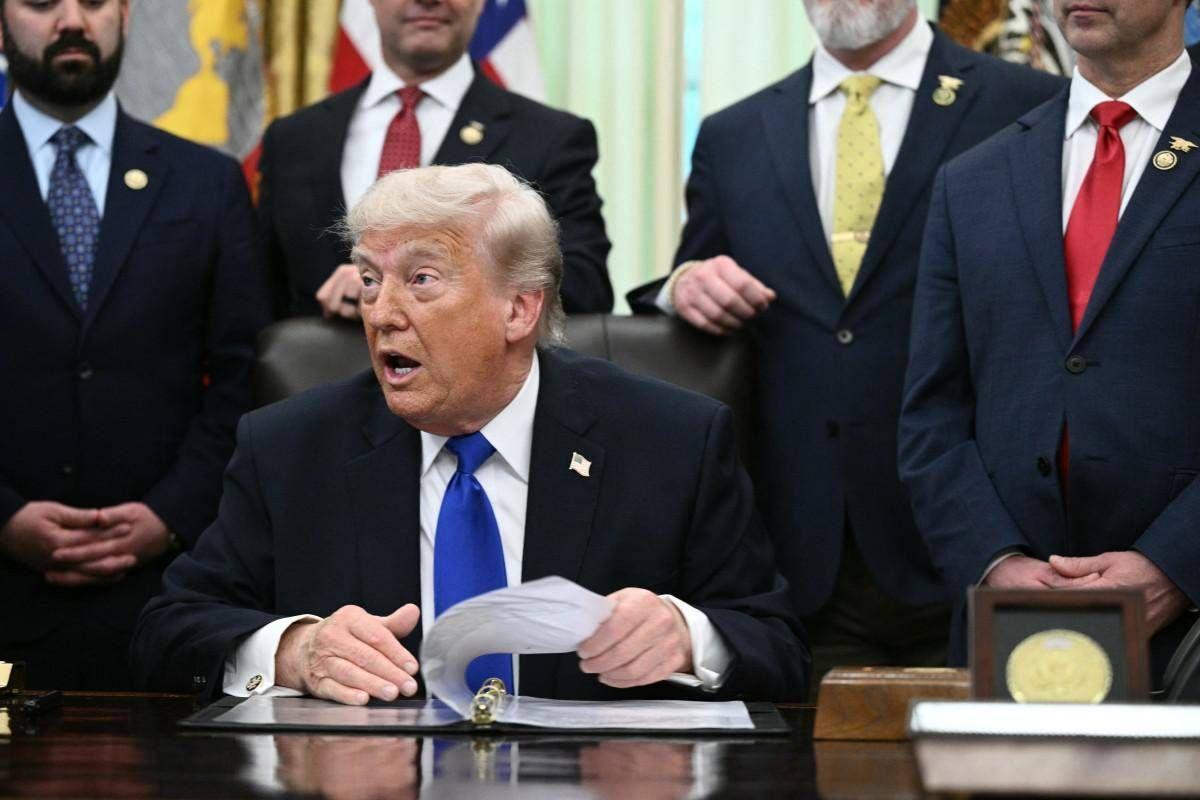
Breaking Defense reported that Defense Secretary Pete Hegseth ordered the withdrawal and that the Pentagon did not respond to questions about plans for the approximately 30,000 troops that will remain in Germany.
CNN similarly said the withdrawal would still leave more than 30,000 US troops in the country, quoting Parnell: “The Secretary of War has ordered the withdrawal of approximately 5,000 troops from Germany.”
The Associated Press reported that the Pentagon said the withdrawal would be “in the next six to 12 months,” and described the move as fulfilling President Donald Trump’s threat as he clashes with German leader Friedrich Merz over the U.S. war with Iran.
The Associated Press also put the scale of the drawdown in context, saying the number of troops leaving Germany would be 14% of the 36,000 American service members stationed there.
Reuters and other outlets tied the decision to the widening rift between Trump and Europe, with Al Jazeera reporting that the Pentagon made the decision on Friday and that the withdrawal was expected to take place over the next six to 12 months.
Why the Rift Widened
The withdrawal order landed after a sequence of public clashes between Washington and Berlin over the US war against Iran and the negotiations over ending it.
Al Jazeera said the Pentagon’s decision came “several days after German Chancellor Friedrich Merz said that Iran was humiliating the US during negotiations over the end of the war,” and it described Trump’s broader pressure campaign on European allies for not doing more to assist the US-Israel war on Iran.

Forbes reported that Trump was “reviewing the possible reduction of Troops in Germany” after Merz said early this week the US was “being humiliated” in its war and sluggish negotiations with Iran, and it quoted Merz’s claim that Iran was “very skillful at not negotiating, letting the Americans travel to Islamabad and then leave again without any result.”
The Guardian added that Trump announced he was “studying and reviewing the possible reduction of troops in Germany” after Merz said America was being “humiliated” by Iran, and it described the impasse involving discussions over Iran’s nuclear programme and the strait of Hormuz.
CNN said Merz accused US officials of entering a war without a clear strategy, quoting Merz: “The whole affair is ill-considered to say the least,” and it also quoted Merz’s line about Iranians being “very skilled at negotiating.”
The Associated Press described the war context as beginning on Feb. 28 with U.S.-Israeli strikes on Iran, and it said Trump’s threat was tied to frustration that Germany and other NATO allies were not stepping up enough during America’s war with Iran.
Breaking Defense also linked the decision to months of upheaval between the US and NATO allies, including “US-Israel military operations against Iran,” and it noted that while Iran and the US were technically in a ceasefire, “both nations are conducting a blockade of vessels through the Strait of Hormuz.”
Statements From Washington and Berlin
The troop-withdrawal decision was framed by US officials as a response to German rhetoric, while German leaders and critics emphasized the negotiation and strategy disputes around Iran.
CNN quoted a Pentagon statement from Chief Pentagon spokesman Sean Parnell, saying, “This decision follows a thorough review of the Department’s force posture in Europe and is in recognition of theater requirements and conditions on the ground,” and it also quoted Merz’s earlier criticism that “The Iranians are obviously very skilled at negotiating, or rather, very skillful at not negotiating, letting the Americans travel to Islamabad and then leave again without any result.”
Al Jazeera reported that an anonymous official said, “The president is rightly reacting to these counterproductive remarks,” and it described Trump’s own public attacks on Merz, including Trump’s post that Merz should spend more time trying to end the war between Russia and Ukraine and less time “interfering with those that are getting rid of the Iran Nuclear threat, thereby making the World, including Germany, a safer place”.
The Guardian described Merz reiterating his criticisms on Wednesday, saying Europe was “suffering” from the consequences of the closure of the strait, and it said Trump accused Merz of thinking it’s “OK for Iran to have a nuclear weapon” and that the chancellor “doesn’t know what he’s talking about!”
The Hill reported that Chief Pentagon spokesperson Sean Parnell confirmed the withdrawal in a statement that the decision “follows a thorough review of the Department’s force posture in Europe and is in recognition of theater requirements and conditions on the ground.”
The Associated Press added that Trump ignored questions from reporters about the withdrawal on Friday as he boarded Air Force One in Ocala, Florida, following a rally to tout his economic agenda.
The Associated Press also quoted a senior Pentagon official speaking on condition of anonymity and said the drawdown would bring US troop levels in Europe back to roughly pre-2022 levels, before Russia’s invasion of Ukraine triggered a build-up by then-president Joe Biden.
Different Outlets, Different Emphases
While all the reports centered on the same withdrawal figure and timeline, they differed in how they explained the decision and what they highlighted about the broader dispute.
Breaking Defense emphasized the formal order by Defense Secretary Pete Hegseth and the Pentagon’s reasoning, quoting Sean Parnell that “We expect the withdrawal to be completed over the next six to 12 months,” and it focused on what would remain in Germany by noting the Pentagon did not respond about plans for “the approximately 30,000 troops that will remain in Germany.”

CNN similarly quoted Parnell and stressed the scale of remaining forces, saying the withdrawal would still leave “more than 30,000 US troops in the country,” and it added specific details about Ramstein Air Base and the unit that does “airlift, airdrop and aeromedical evacuation operations.”
The Associated Press framed the decision as fulfilling Trump’s threat and connected it to the war’s start date, saying the war began on Feb. 28 with U.S.-Israeli strikes on Iran, and it described Germany’s facilities including Ramstein Air Base and a medical center in Landstuhl, where casualties from the wars in Afghanistan and Iraq were treated.
The Guardian and Forbes both tied the withdrawal to Merz’s “humiliated” remarks and the negotiations over Iran, but Forbes also included Trump’s earlier claim that the war would last four to five weeks and said Trump had claimed victory multiple times since late February.
Al Jazeera and Australian Broadcasting Corporation both described the decision as part of a wider rift over Iran, but Australian Broadcasting Corporation added that a senior Pentagon official said recent German rhetoric had been “inappropriate and unhelpful,” and it described the drawdown as bringing US troop levels back to roughly pre-2022 levels.
The Times of Israel, citing Reuters, added that it was “another potent reminder of Trump’s willingness to respond to perceived disloyalty by allies,” and it referenced an internal Pentagon email that outlined options to punish NATO allies.
What Comes Next
The withdrawal order raised questions about how US force posture in Europe will change and whether additional moves could follow, with several outlets describing potential knock-on effects for NATO planning.
The Pentagon did not respond to questions about plans for the approximately 30,000 troops that will remain in Germany, according to Breaking Defense, and it also said the Pentagon did not respond about whether the withdrawal would impact US troops in other NATO countries.
Reuters, as carried by Australian Broadcasting Corporation and The Times of Israel, reported that the drawdown was expected to be completed over the next six to 12 months and that it would bring troop levels in Europe back to roughly pre-2022 levels, before Russia’s invasion of Ukraine triggered a buildup by then-president Joe Biden.
The Times of Israel, citing Reuters, said it was unclear if more withdrawals from Europe would follow and referenced Reuters reporting on “an internal Pentagon email that outlined options to punish NATO allies,” including “suspending Spain from NATO” and “reviewing the US position on Britainâs claim to the Falkland Islands.”
The Hill reported that the redeployment would bring troop numbers roughly to pre-2022 levels and would affect “a brigade combat team and potentially other U.S. forces already in Germany,” and it added that the shake-up would affect “the long-range fires battalion that the prior administration planned to deploy to the country later this year.”
The Associated Press added that the brigade combat team now in Germany would be pulled out and that a long-range fires battalion planned by the Biden administration “will no longer deploy,” and it described Germany’s role as hosting Ramstein Air Base and a medical center in Landstuhl.
CNN reported that Germany has pledged further assistance under conditions that the conflict moves to a post-war phase, including deploying a naval minesweeper to the Mediterranean Sea in preparation for efforts to reopen the Strait of Hormuz once a lasting end to hostilities is reached.
More on USA

Trump Administration Says Iran War ‘Terminated’ as War Powers Deadline Nears May 1
16 sources compared

Pentagon Orders Withdrawal of 5,000 U.S. Troops From Germany Over Trump-Merz Feud
18 sources compared
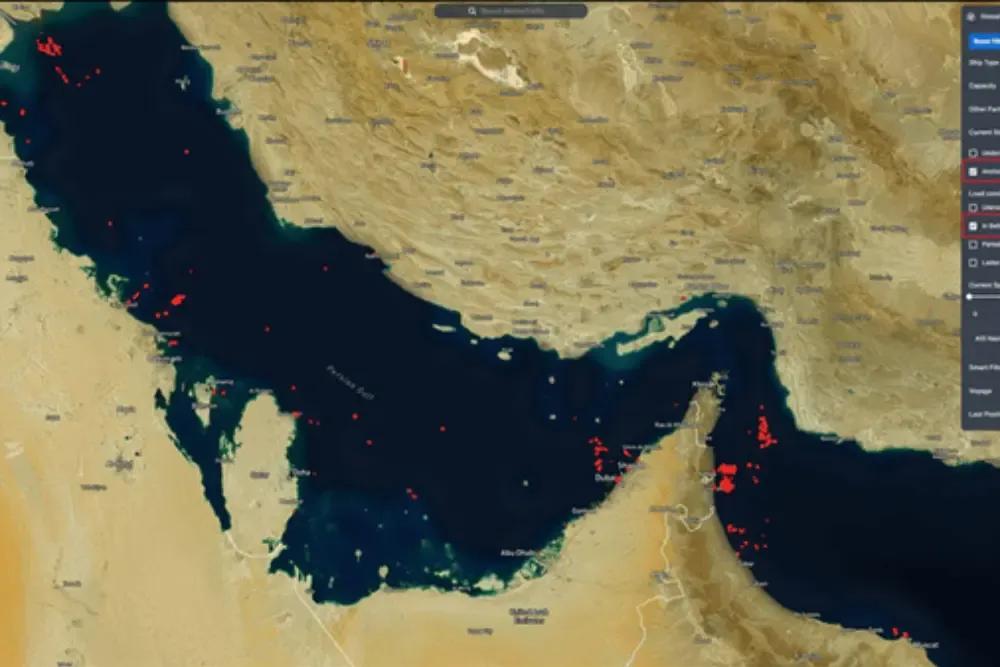
U.S. Treasury Warns Shippers Not to Pay Iran Strait of Hormuz Tolls
11 sources compared

Bill Lee And Kay Ivey Call Special Sessions To Redraw Tennessee And Alabama House Maps
13 sources compared