USAupdated 1h ago3 min read
Archive photo · 5 October 2009Pentagon Reviews Smaller Europe Troop Cuts, With Donald Trump To Decide
“promising legislative action when they take control of Congress in January.”
“Trump this week indicated it’s unlikely he will order fresh attacks on Iran as long as talks to end the war continue positively”
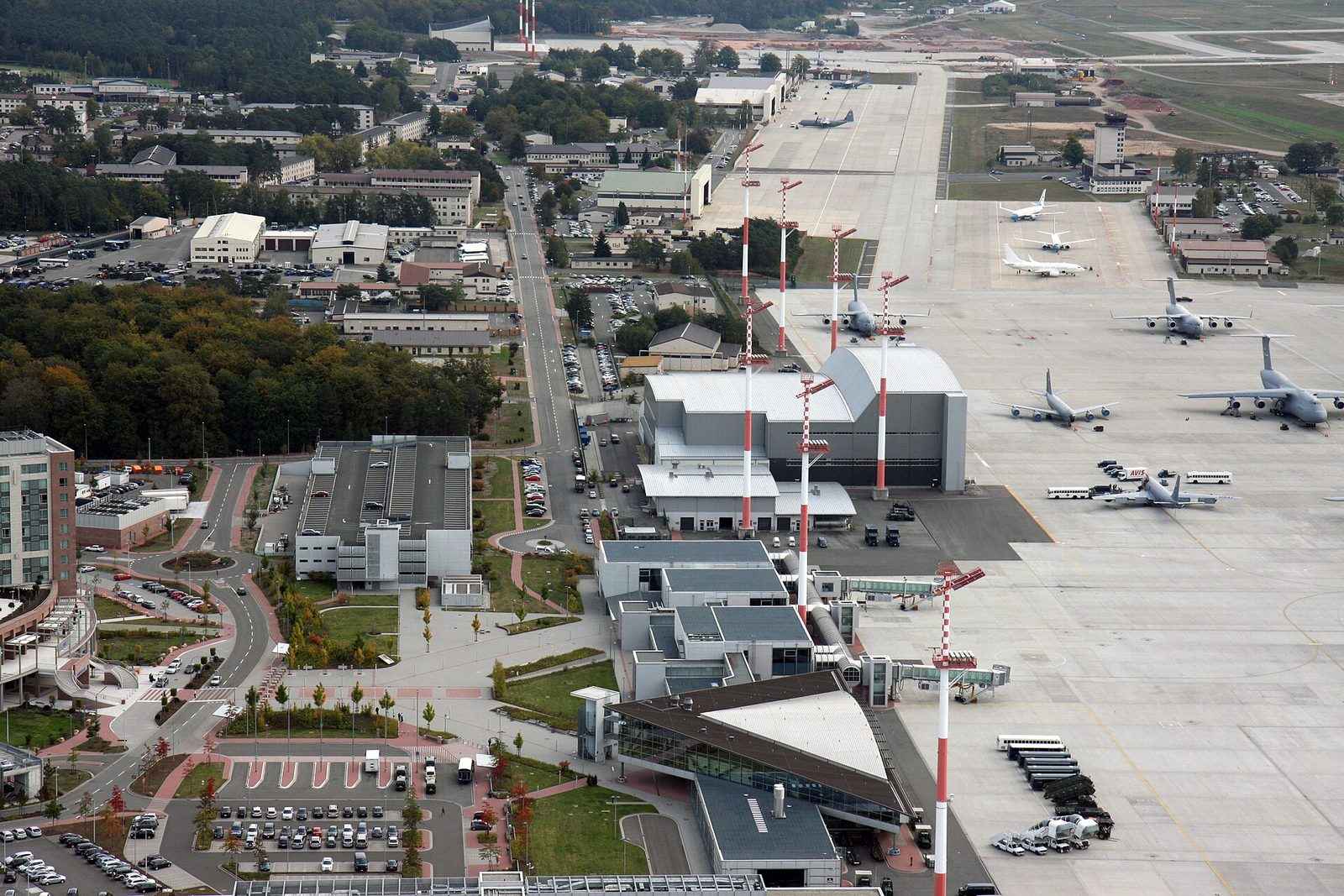
Photo: U.S. Army Corps of Engineers Europe District from Wiesbaden, Germany / US federal government, Public domain · Cropped for layout
This article is an automated aggregation of coverage from news outlets. Our editorials offer in-depth analysis curated by the NewsCord team.
Pentagon reviews Europe troop withdrawals; about 5,000, far smaller than feared 25,000. Bloomberg reported the smaller reduction size and scope to defuse fears.
Save coverage image
Europe troop cuts reconsidered
The United States plans to roll back plans to reduce its forces stationed at its military bases in Europe, a move aimed at strengthening its position in the Middle East amid the ongoing conflict with Iran. Bloomberg reported that the review of U.S. military deployment in Europe targets a reduction smaller than European leaders feared, with the number of soldiers under consideration now around 5,000 rather than up to 25,000. The sources described the Pentagon’s reliance on troops stationed in Europe as more important to maintain full influence in the Middle East, where the outcome of the war on Iran remains suspended due to stalled peace negotiations and disrupted movement of navigation through the strategic Hormuz Strait.
The sources said Europeans previously feared a reduction of up to 25,000 soldiers, but they now expect the reduction will not exceed 5,000 soldiers, while the final decision remains in the hands of President Donald Trump. The review also runs into a legal constraint, because Congress enacted a law restricting the War Department from reducing the number of troops in Europe below 76,000 without consultation with allies and a thorough risk analysis.
Bases, threats, and protection
Matthew Whitaker said, “We have a lot of facilities and forces here that are exactly where we want them. I don’t expect anything big,” as the administration weighs smaller cuts to U.S. troop presence in Europe.
The Hill reported that President Trump declared the war in Iran “effectively over,” while Mona Yacoubian warned, “The war is not over,” and said, “If there is a spike in conflict, war costs will also spike.”
USA TODAY reported that Treasury Secretary Scott Bessent moved to a United States military base after Iranian death threats, and Bessent said, “I’m not going to be cowered that they have initiated death threats against me.”
The Al-Jazira Net account said the U.S. military presence in Europe is about logistics and operational hubs such as Ramstein Air Base in Rhineland-Palatinate and the city of Landstuhl, which hosts the largest American military hospital outside the borders.
The Il Sole 24 ORE report said open-source analysis recorded 101 U.S. transport and logistical support flights by 61 different aircraft between 26 October and 8 November, and said weekly flights rose from 43 to 58.
Congress, costs, and next steps
Congressional action is positioned as a key limiter on troop posture changes, because the Al-Jazira Net account said last year Congress enacted a law prohibiting the Pentagon from reducing forces below 76,000 without consultation with allies and a thorough risk analysis.
Al-Jazira Net said the upcoming control of the Democrats in Congress after their midterm election victory on November 3 would grant them control of government spending, which would limit Trump’s ability to implement large reductions.
The Hill said the total cost of the fight as of Oct. 16 is estimated at $47.1 billion, including $38 billion accrued from when the war began on Feb. 28 up until the start of August, according to the Congressional Budget Office.
The Hill reported that the Trump administration is requesting up to $70 billion in emergency military spending to cover the costs of the Iran war and to pay for new weapons and personnel.
The New York Times described European anxiety as growing alongside attempted terrorist attacks across the continent and in Britain, and it said many had been attributed to Iran or to proxies acting on its behalf.