USAupdated 1h ago2 min read
Pete Hegseth Bars Pentagon Staff From Using Nonpublic Information To Bet On Kalshi, Polymarket
This article is an automated aggregation of coverage from news outlets. Our editorials offer in-depth analysis curated by the NewsCord team.
Hegseth issues memo prohibiting DoD from using nonpublic information to bet on prediction markets. Ban covers classified and unclassified information and may incur disciplinary or criminal penalties.
Save coverage image
Explore source coverage 4 source types
Directory totals describe our source library, not outlets checked for this story.
12 outlets told this the same way.
Outlets did split on Trump Says Elon Musk Lifted Starlink Throttling for Ukraine; Kyiv Could Not Confirm →
Hegseth’s prediction-market ban
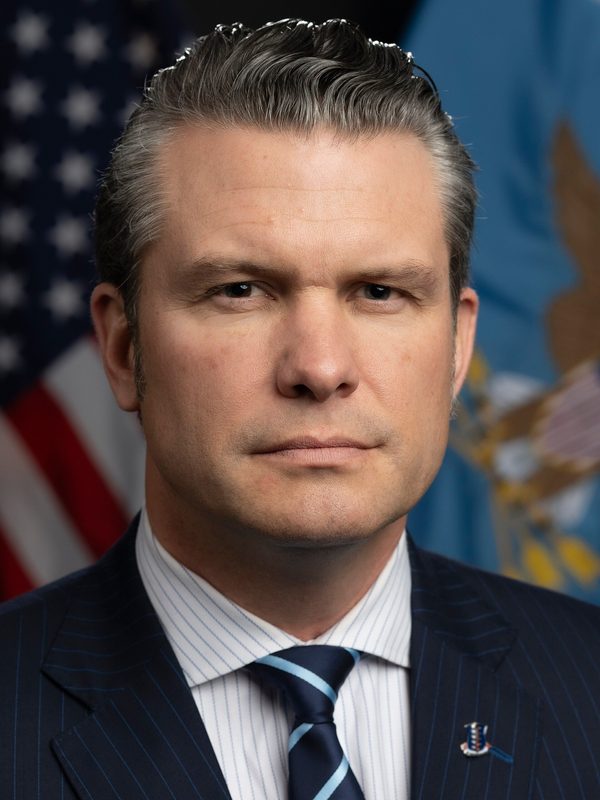
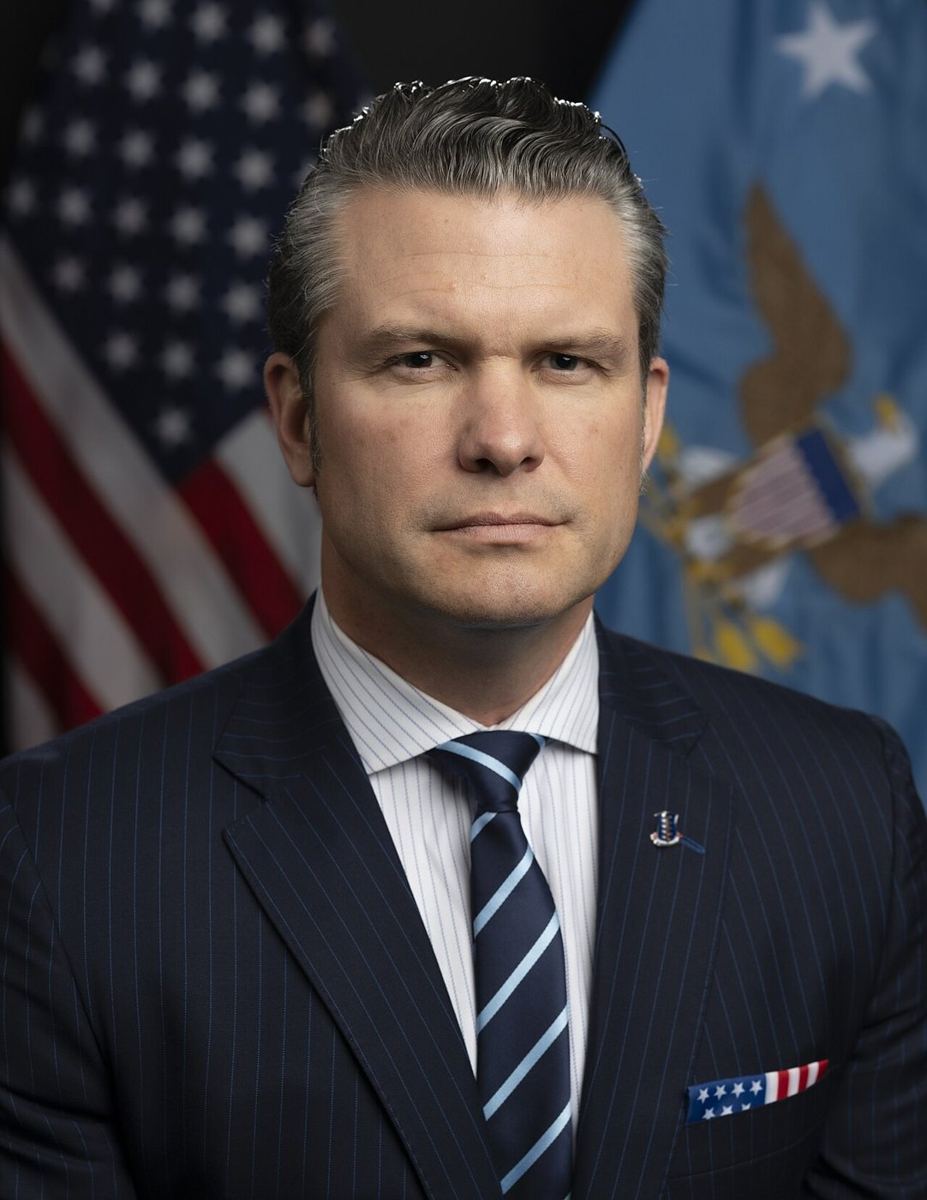
Defense Secretary Pete Hegseth issued guidance barring Pentagon staff from using nonpublic information to place wagers on prediction markets tied to military operations, including Kalshi and Polymarket.
Hegseth warned that “Our adversaries are watching the movements in these markets,” and he said “The lives of our service members often depend on the enemy not knowing what is about to happen.”
The guidance said trading on information that has not been made public is prohibited even if it is not formally classified, and it warned violators could face disciplinary action and criminal punishment.
The directive followed allegations that U.S. Army member Gannon Ken VanDyke used classified details tied to an operation to capture Venezuelan leader Nicolás Maduro and made more than $400,000 in profit on Polymarket.
The Pentagon guidance also referenced a separate case in Israel involving allegations that a reservist and a civilian traded on Polymarket using information about an Israeli military strike on Iran.
Memo, enforcement, and signals
The Associated Press reported that Hegseth sent a memo on October 20 to senior Pentagon officials and subordinate agencies, and the memo told Defense Department personnel they must not use nonpublic information in financial transactions. Hegseth wrote, “When an American Service member, intelligence professional, or other Department civilian engages in a financial transaction on a military outcome, they create a signal.” The memo said the prohibition applies to both classified and unclassified but nonpublic information, and it specifically included prediction markets such as Kalshi and Polymarket.
The memo warned that violators could be subject to administrative punishment and criminal charges under the Uniform Code of Military Justice or federal law. The Hill reported that a Pentagon official confirmed the authenticity of the memo to The Hill, while the Pentagon did not immediately respond to The Hill’s request for comment.
Cases and broader scrutiny
Federal prosecutors charged 38-year-old Master Sgt. Gannon Ken Van Dyke with using his access as a Special Forces member to place bets totaling more than $32,500 on when Maduro might be removed from power.
ABC News said the bets were placed between Dec. 30 and Jan. 2, with the vast majority occurring the night of Jan. 2, just hours before the first missiles would fall on Caracas.
CBS News reported that Hegseth’s directive followed the April case in which Van Dyke allegedly used classified information about the operation to win more than $400,000 on Polymarket.
The ABC News account also described a separate episode in which new Polymarket accounts placed highly specific, well-timed bets on whether the U.S. and Iran would reach a ceasefire just before President Donald Trump announced it in April.
The White House warned staff against using private information to trade on prediction markets the same day the report came out, and Kalshi fined and suspended three congressional candidates in April over wagers on their own elections.