Pete Hegseth Faces Partisan Questions in Congress Over $25 Billion Iran War Cost
Key Takeaways
- Hegseth faced his first congressional questioning since the Iran war began.
- Pentagon: Iran war has cost $25 billion so far.
- Blockade of the Strait of Hormuz remains in place.
Hegseth’s first hearing
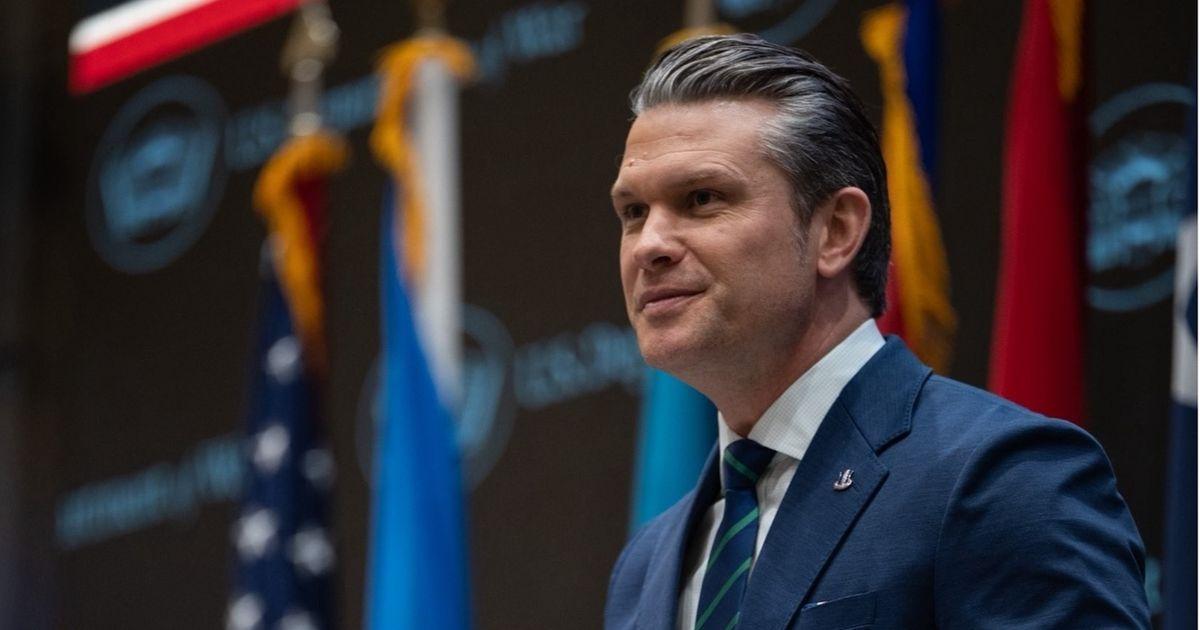
For the first time since the U.S. went to war with Iran, Defense Secretary Pete Hegseth faced sharp questions on Wednesday from Congress during a hearing that became a partisan fight over the conflict.
“US lawmakers question Pete Hegseth over budget for war on Iran United States Secretary of Defense Pete Hegseth has faced his first public questioning from Congress on the US-Israel war with Iran”
The Pentagon revealed during the testimony that the war so far has cost $25 billion, with the fighting on hold but the military maintaining its blockade of the Strait of Hormuz.

PBS News Hour reported that “for the first time since the U.S. went to war with Iran, Defense Secretary Hegseth faced sharp questions from Congress,” and said the Pentagon disclosed the $25 billion figure during the hearing.
In the same PBS account, the program noted that “the fighting is on hold, but the military maintains its blockade of the Strait of Hormuz,” and added that the USS Gerald R. Ford would “soon head home after a record-setting 10 months at sea.”
BBC described the hearing as nearly six hours long, saying Hegseth “sparred with Democratic lawmakers during a nearly six-hour-long hearing” and that it was his first time facing questions under oath since the start of the Iran war.
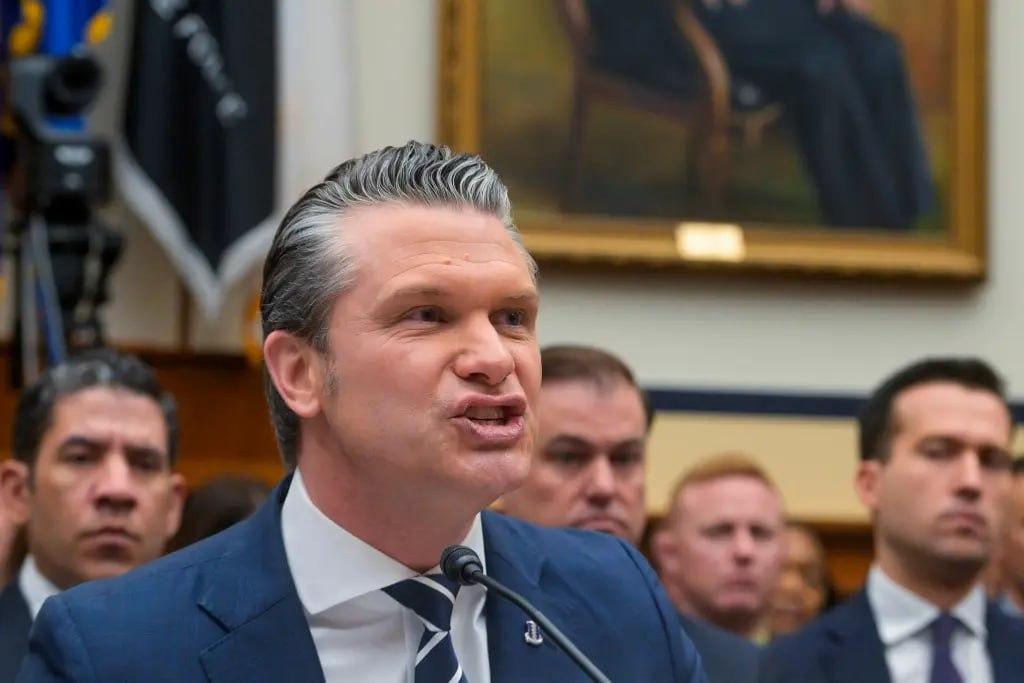
BBC also reported that Hegseth appeared alongside Chairman of the Joint Chiefs of Staff Gen Dan Caine and the defence department’s chief financial officer Jules Hurst.
In the same hearing, Al Jazeera said the Pentagon publicly put the price tag of the war so far at $25bn, and it said Hegseth delivered an at-times caustic defence of President Donald Trump’s policy.
The hearing also centered on the White House’s request for a $1.5tn defence budget, which BBC said would be the largest expansion in military spending since World War Two.
Cost, blockade, and budget
Across multiple outlets, the hearing’s factual backbone was the Pentagon’s $25 billion cost estimate and the operational posture described as “on hold” while the U.S. maintained a blockade of the Strait of Hormuz.
BBC said Hurst revealed in the hearing that “the war had cost the US $25bn (£18.5bn) so far,” and that Hurst said most expenses had been for “munitions and to replace equipment.”
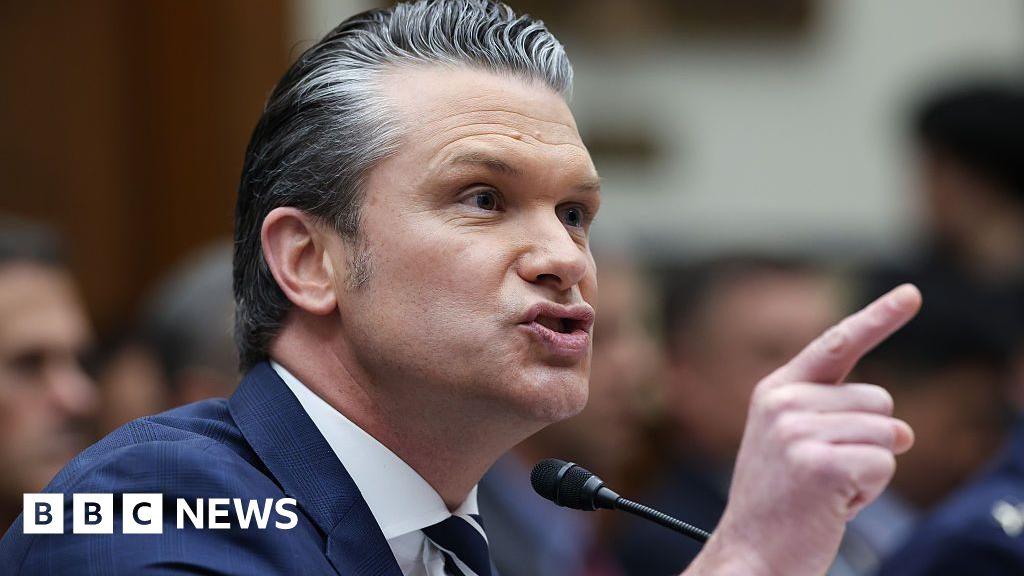
BBC also reported that Hurst told lawmakers that “a full assessment of the cost will be provided at a later time.”
Al Jazeera described Jules Hurst III as putting an official price tag of $25bn on the war, saying Hurst said “most of that” price was in munitions, plus “the cost of surging assets to the Middle East and equipment lost in the fighting.”
Al Jazeera added that fighting has been largely paused since April 8, with the U.S. imposing a naval blockade on the Strait of Hormuz, and it said Trump had written on social media early Wednesday that there would be “NO MORE MR. NICE GUY“.
BBC reported that the White House asked Congress to boost the U.S. defence budget to $1.5tn (£1.1tn), describing it as the largest expansion in military spending since World War Two.
In the BBC account, Hegseth told the committee the budget request “reflects the urgency of the moment,” and Gen Caine said the $1.5tn “represents a historic down payment for future security.”
The Washington Examiner and CNBC accounts both anchored the hearing’s cost discussion in Hurst’s “roughly $25 billion” estimate and the $25 billion figure “mostly in munitions.”
Nuclear aims and “quagmire”
The hearing’s most combative exchanges centered on the war’s rationale, especially Iran’s nuclear program, and on whether lawmakers characterized the conflict as a “quagmire.”
BBC reported that Democrats criticized how federal money was being used in the conflict, and it quoted Garamendi saying, “You have been lying to the American public about this war from day one, and so has the president.”
BBC said Garamendi told Hegseth Trump was “stuck in a quagmire” of another war in the Middle East, and it reported Hegseth’s response that “Your hatred for President Trump blinds you”.
In Al Jazeera’s account, Hegseth accused lawmakers of defeatism, saying “The biggest adversary we face at this point are the reckless, feckless and defeatist words of congressional Democrats and some Republicans.”
Al Jazeera described a direct clash over Iran’s nuclear program, quoting Adam Smith’s challenge about Hegseth’s “obliterated” claim and the “60 days ago” imminent threat framing.
Al Jazeera quoted Hegseth’s response that “Their facilities are bombed and obliterated,” and that “Their ambitions continued, and they’re building a conventional shield.”
CNBC reported that Smith said, “As we sit here today, Iran's nuclear program is exactly what it was before this war started,” and it quoted Hegseth’s “obliterated” and “conventional shield” framing.
CBC and the Washington Examiner both echoed the same “60 days ago” exchange and Hegseth’s sharp rebuttals to Democrats’ “quagmire” characterization.
School strike and accountability
Beyond budget and nuclear strategy, the hearing also touched on accountability for an airstrike on a school in Iran, which BBC said Democrats demanded answers about.
BBC reported that “Some lawmakers also demanded accountability for an airstrike on a school in Iran,” and it stated that “According to Iranian officials, that Minab strike killed 168 people, including about 110 children.”

BBC added that U.S. media reported in early March that U.S. military investigators believed American forces were likely responsible for hitting the school unintentionally but had not reached a final conclusion.
BBC quoted Adam Smith saying, “We made a mistake and that happens in war... two months after it happened we refused to say anything about it, giving the world the impression that we just don't care,” and it reported Hegseth’s response that “that unfortunate situation remains under investigation.”
BBC also reported that Hegseth told the committee he “wouldn't tie a cost to that.”
CBC described the school bombing as part of Democrats’ focus, saying the hearing included “the bombing of a school that killed children.”
CBC quoted Garamendi accusing Hegseth of “lying to the American public about this war from day one and so has the president,” and it quoted Garamendi’s additional labels for the conflict.
BBC said Hegseth will appear before the U.S. Senate on Thursday for another hearing, extending the accountability thread into the next chamber.
Oversight delays and next steps
The hearing did not end the oversight fight; instead, multiple outlets described how Congress planned further questioning and how Republicans delayed other hearings tied to the war.
Al Jazeera reported that Hegseth faced his first public questioning from Congress on the U.S.-Israel war with Iran and said the Pentagon publicly put the price tag at $25bn, while also noting that fighting was paused since April 8 with a blockade in place.

The Washington Examiner described the hearing as dominated by partisan clashes and said Hegseth’s opening remarks criticized Democrats and “some Republicans,” while lawmakers’ questioning sessions were largely split along political lines.
In a separate report, Al-Quds Al-Arabi said Hegseth was scheduled to be questioned by members of the House of Representatives “today, Wednesday,” and it described the hearing as discussing the administration’s proposed budget for 2027, with a boost to “1.5 trillion dollars.”
The Al-Quds Al-Arabi account said it was expected Hegseth and General Dan Kin would highlight the need for “more drones, missile defense systems, and warships,” and it said Democrats would focus on “the enormous costs of the war against Iran” and “the bombing of a school that killed children.”
The الشرق للأخبار report said Republicans postponed a hearing scheduled for next week to publicly question senior Pentagon officials about the war in Iran, pushing it to the end of May, and it said the House Armed Services Committee had set a hearing for April 21 but delayed it to May 19.
That report said Democrats were “now six weeks into this conflict” and had not yet received a public briefing from any administration official about the war, and it said the delay meant continued lack of answers about “the war's strategic objectives, its overall cost, and its broader regional implications.”
BBC said Hegseth will appear before the U.S. Senate on Thursday for another hearing, indicating the oversight cycle would continue even as other hearings were rescheduled.
More on Iran

US Besieges Iranian Ports as Trump Mulls Extended Blockade, Driving Oil Prices Higher
10 sources compared

Oil Prices Surge as US Siege of Iranian Ports Threatens Strait of Hormuz Supply
11 sources compared
Trump Receives CENTCOM Briefing on Potential U.S. Military Action Against Iran Thursday
13 sources compared
Pentagon Says Iran War Costs $25 Billion So Far, Acting Comptroller Jules Hurst III Tells Congress
37 sources compared