Full story
Hegseth review announced
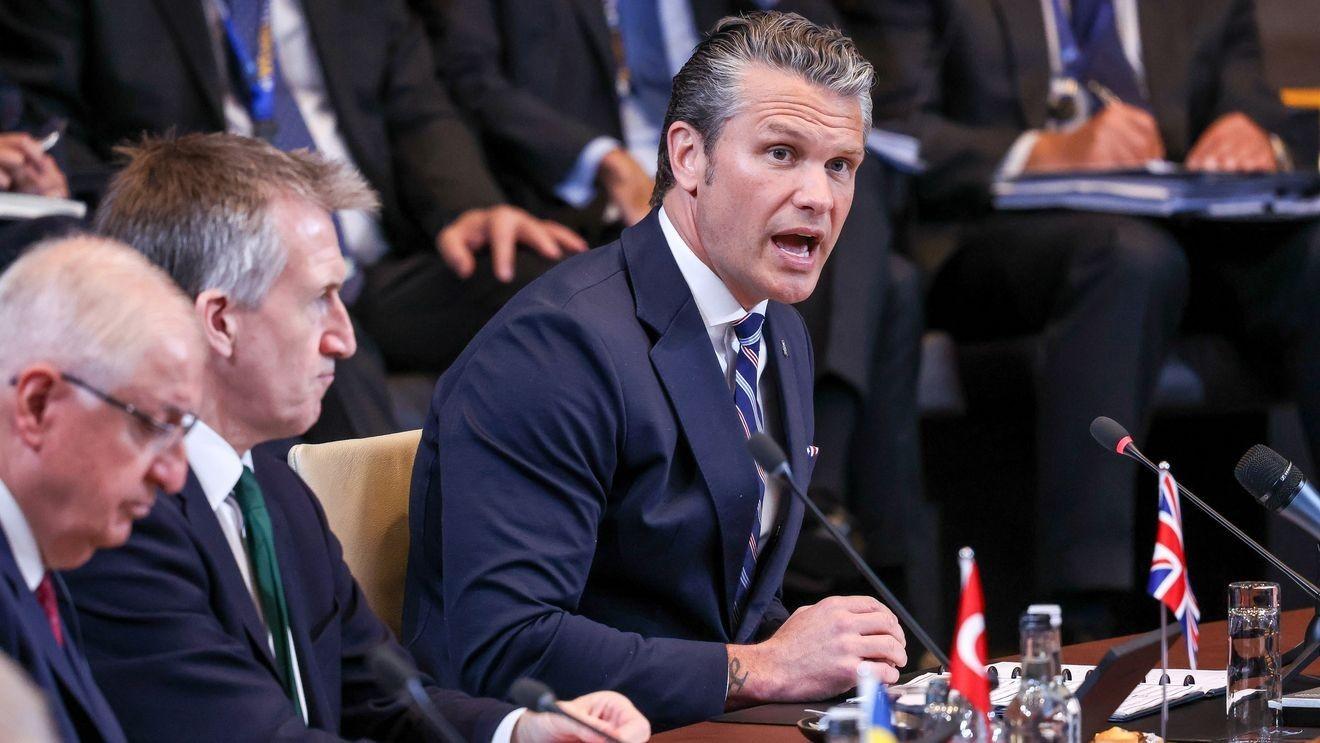
U.S. Defense Secretary Pete Hegseth told NATO on June 18 that the United States is embarking on a sweeping review of the American military presence in Europe that will take up to six months.
“BRUSSELS—Secretary of Defense Pete Hegseth told NATO on June 18 that the U”
Hegseth said the assessment would address “America’s core posture and basing in Europe,” and he warned the U.S. would cut funds to NATO’s operating budget if allies did not fulfill their commitment to boost military spending.

Air Force Gen. Alexus Grynkewich, the head of U.S. European Command, is set to lead the review, and a U.S. official told Air & Space Forces Magazine the assessment has no predetermined outcome.
Hegseth framed the move as part of “NATO 3.0,” saying it seeks to give Europe the main responsibility for non-nuclear defense of the alliance’s 32 member countries while the U.S. retains the main responsibility for nuclear deterrence.
The announcement came as lawmakers and the Pentagon debated previous U.S. troop cuts, with some congressional provisions in the draft 2027 National Defense Authorization bill requiring risk assessments by Grynkewich and Air Force Gen. Dan Caine, the Chairman of the Joint Chiefs of Staff.
Dues, access, and “free-riding”
At a meeting of NATO defense ministers in Brussels, Hegseth threatened to withhold some U.S. dues to NATO if “free riding” allies did not meet their defence spending commitments.
Hegseth told the BBC that the review is “a review that some countries will fail, and others will pass with flying colours,” while singling out allies he suggested had been “free-riding.”

NATO Secretary-General Mark Rutte said on Thursday that the reduction of U.S. contributions to NATO’s crisis forces was “immediate,” and he said Europeans were “already backfilling” resources the U.S. was cutting back on.
The U.S. also pressed allies over access during the U.S.-Israeli war on Iran, with Hegseth calling it “shameful” that some European countries imposed limits on help to U.S. forces and denied permission for the U.S. to use some bases for launching aircraft or ships.
In Brussels, Hegseth said the U.S. would ensure U.S. basing and overflight rights were assured, and he characterized the effort as designed to “ensure that NATO is moving fast and irreversibly toward Europe leading.”
What changes next
The review is occurring alongside steps that NATO officials said were already taking effect, including reductions to the so-called NATO Force Model, which NATO Secretary General Rutte said were “immediate.”
Rutte told reporters June 18 that “The U.S. is lowering its contribution, still considerable, but somewhat lower than it was in the past,” and he said Europeans were backfilling some of what the U.S. was withdrawing.
German Defense Minister Boris Pistorius warned that it is “difficult and dangerous for the security of NATO’s European front when capabilities are withdrawn very quickly,” and he said it needs time to acknowledge production capacity challenges in the defense industry.
The sources also describe congressional scrutiny and timing, including that some congressional provisions require a risk assessment by Grynkewich and Dan Caine about the impact of any proposed U.S. troop reductions.
Ahead of a high-stakes NATO summit attended by top political leaders, with Trump expected to attend, Hegseth said “NATO will be a two-way street,” and he argued “America cannot care for or pay more for Europe’s defense than our allies.”