Pete Hegseth Says Iran Ceasefire Holds Despite Exchanges of Fire in Strait of Hormuz
Key Takeaways
- Defense Secretary Pete Hegseth says the Iran ceasefire holds despite Strait of Hormuz clashes.
- Iran attacked UAE and ships in the Strait of Hormuz, triggering retaliatory exchanges.
- The 'Project Freedom' effort to escort vessels is separate and temporary from ceasefire operations.
Ceasefire holds, skirmishes continue
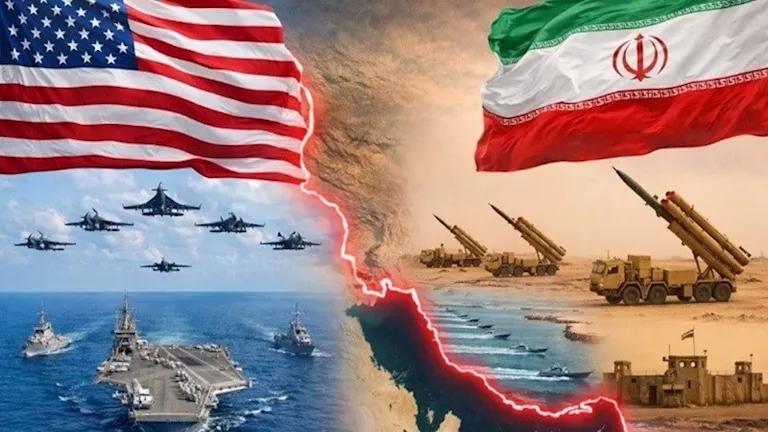
U.S. Defense Secretary Pete Hegseth insisted the Iran ceasefire was still holding despite exchanges of fire between the two nations as they sought to enforce dueling blockades of the strategic Straits of Hormuz.
“US military leaders say ceasefire with Iran holding despite attacks in the Strait of Hormuz US military leaders say ceasefire with Iran holding despite attacks in the Strait of Hormuz DUBAI, United Arab Emirates (AP) — U”
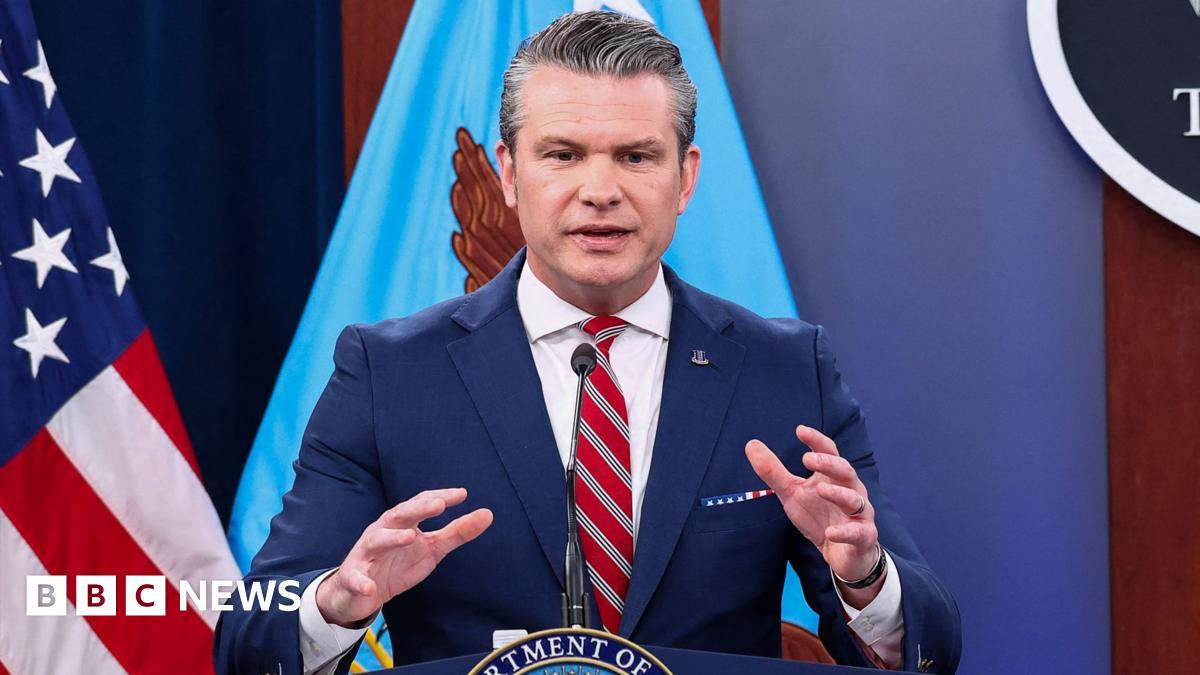
Hegseth told reporters, “The ceasefire is not over. Ultimately, this is a separate and distinct project,” and he argued that the effort to reopen shipping in and out of the Persian Gulf was separate from the war with Iran.
Gen. Dan Caine, the chair of the Joint Chiefs of Staff, said the attacks he detailed did not add up to a return to war, stating, “All below the threshold for major combat operations,” and he later characterized the day as “quieter” in the strait.
The AP reported that the fragile truce, reached nearly a month ago, appeared to be holding as U.S. forces pressed ahead with efforts to reopen the vital waterway for global energy.
On Monday, the U.S. said it sank six small Iranian boats that had threatened commercial ships, and the AP said so far only two merchant ships were known to have passed through the new U.S.-guarded route.
NBC News similarly said two U.S.-flagged merchant vessels made it through the strait, and it quoted Hegseth saying the ceasefire was “not over.”
Even with the ceasefire described as intact, the BBC framed the moment as tensions between the US and Iran “reignited” after Donald Trump’s announcement of “Project Freedom” on Sunday to “guide” cargo ships through the Strait of Hormuz.
Project Freedom and the blockade fight
The U.S. and Iran’s confrontation in the Strait of Hormuz is being played out alongside efforts to reopen shipping under a new U.S. operation described as “Project Freedom.”
CBS News said the U.S. Navy destroyers had to fend off a sustained barrage of Iranian missiles, attack drones and small boats as they protected two ships transiting the strait, and it reported that President Trump said U.S. forces destroyed seven or eight Iranian small boats during the encounter.
The New York Daily News described the U.S. as distinguishing between the war and reopening the Straits of Hormuz to “skirt seeking congressional approval” under the War Powers Act once the conflict passed the 60-day mark, while it noted Democrats and some Republican critics were pushing for the Senate and House to invoke the act.
The AP said the administration has cited the April 8 ceasefire in asserting that the president does not have to give a formal update to Congress on the war under the War Powers Resolution, and it described the law’s typical 60-day requirement.
In the same reporting, the AP said more than 100 U.S. military aircraft were patrolling skies around the strait, and it quoted Caine saying, “Since the ceasefire was announced, Iran has fired at commercial vessels nine times and seized two container ships, and they’ve attacked U.S. forces more than 10 times – all below the threshold of restarting major combat operations at this point.”
The BBC said the administration’s “Project Freedom” was announced on Sunday and aimed to “guide” stranded vessels out of the strait, and it quoted a warning that Iran told the US on Monday it “will attack US forces if they enter the strait.”
NBC News added that Hegseth said the operation was temporary and aimed at “stabilizing the situation so commerce can flow again,” while it also said the U.S. military said no American ships were struck.
Iran’s response and U.S. warnings
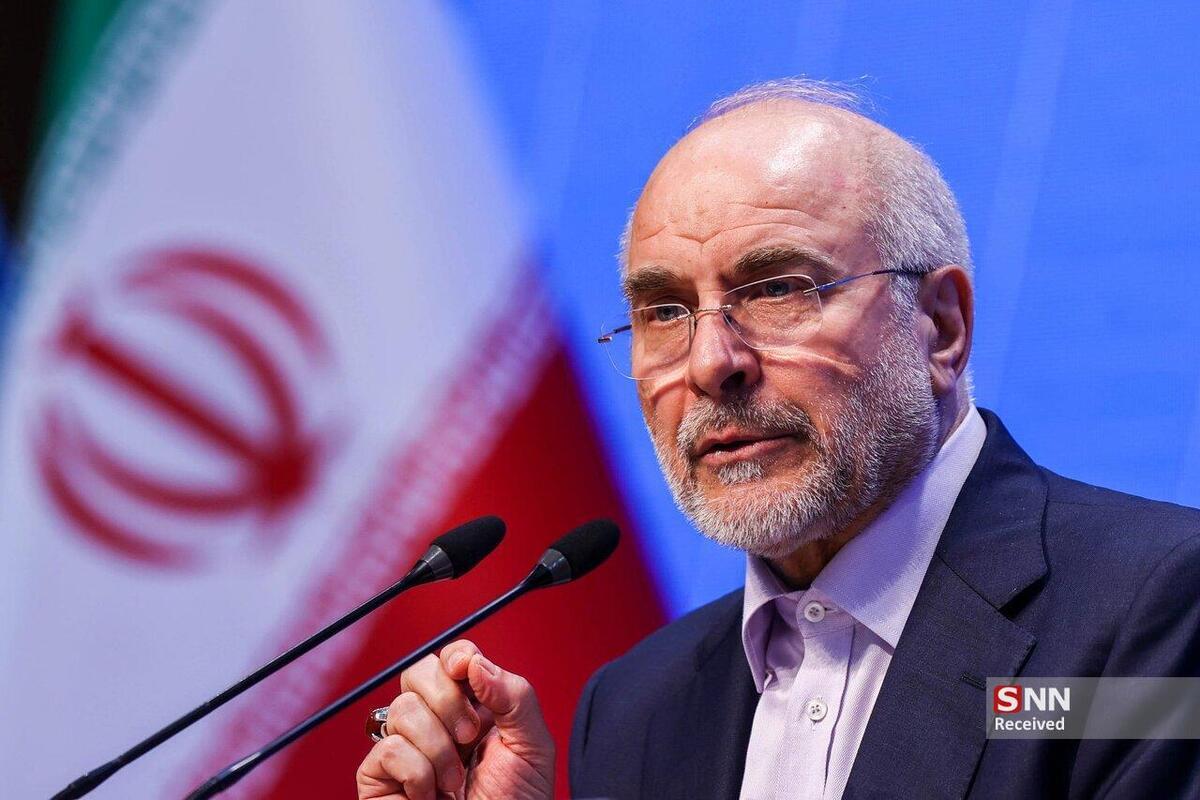
Iran’s parliament speaker and chief negotiator, Mohammad Bagher Qalibaf, accused the U.S. of undermining the truce and warned that Tehran would respond by “flexing its muscle.”
“What to know about the Iran war today: - Secretary of Defense Pete Hegseth said Tuesday the U”
The New York Daily News reported that Ghalibaf accused the U.S. of undermining the truce by trying to end Iran’s “stranglehold on the chokepoint Straits of Hormuz,” and it quoted him saying, “We know full well that the continuation of the status quo is intolerable for America; while we have not even begun yet,” while the AP also carried the same quote.
NBC News said events in the strait make clear there is “no military solution to a political crisis,” quoting Foreign Minister Abbas Araghchi as saying, “Project Freedom is Project Deadlock.”
The BBC said the Iranian parliament speaker warned the US that “we are just getting started” after attacks in the strait, and it also described Trump’s threat that Iran would be “blown off the face of the Earth” if it attacks US vessels.
In the U.S. framing, Hegseth said “right now, the ceasefire certainly holds,” but he warned the administration was closely monitoring Tehran’s actions and that the military remained poised “to restart major combat operations if necessary,” according to CBS News.
The NBC News account said Trump warned Iranian forces would be “blown off the face of the Earth” if they targeted U.S. ships safeguarding commercial traffic through the strait.
The AP reported that Iran has said the new U.S. effort violates the ceasefire, and it added that Iran’s statement signaled Tehran had yet to fully respond to the U.S. attempt to reopen the waterway.
UAE attacks and disputed claims
The ceasefire’s strain was reflected in attacks on the United Arab Emirates, with the UAE saying it came under attack by Iranian missiles and drones for a second straight day.
The AP reported that the UAE said it came under attack on Tuesday, and it said at least three people were wounded in attacks the day before, when a drone sparked a fire at a key oil facility in the eastern emirate of Fujairah.

CBS News similarly said the UAE said Iran launched a missile and drone attack on the Gulf nation for a second consecutive day Tuesday after Iran attacked the UAE on Monday, wounding at least three workers, and it quoted the UAE’s Ministry of Defense saying, “The UAE's air defenses are currently dealing with missile and drone attacks originating from Iran,”.
The New York Daily News said from a military standpoint the ceasefire seemed to be mostly holding even after the United Arab Emirates said Iran fired missiles and drones at it.
NBC News reported that the United Arab Emirates said it engaged 12 ballistic missiles, 3 cruise missiles and 4 drones fired from Iran, and it said the attack sparked a fire at an oil facility and injured three Indian nationals.
NPR said the UAE bore the brunt of Iran’s retaliation, and it reported that the UAE Defense Ministry said its air defenses had engaged 15 missiles and four drones fired by Iran, while authorities in Fujairah said one drone sparked a fire at a key oil facility and wounded three Indian nationals.
Disputes also extended to what happened in the strait itself: the AP said that disputing Washington’s claim of sinking six boats, an Iranian military commander said two small civilian cargo boats were hit on Monday, killing five civilians, Iran’s state TV reported.
Economic stakes and what comes next
The stakes described by multiple outlets were economic and operational, tied to how many ships could pass through the Strait of Hormuz and how quickly global energy markets might stabilize.
“• Strait of Hormuz: US Defense Secretary Pete Hegseth says the US effort to guide vessels out of the Strait of Hormuz is temporary, and “separate and distinct” from ongoing military operations in the region, one day after the US military began operations to guide ships in the waterway”
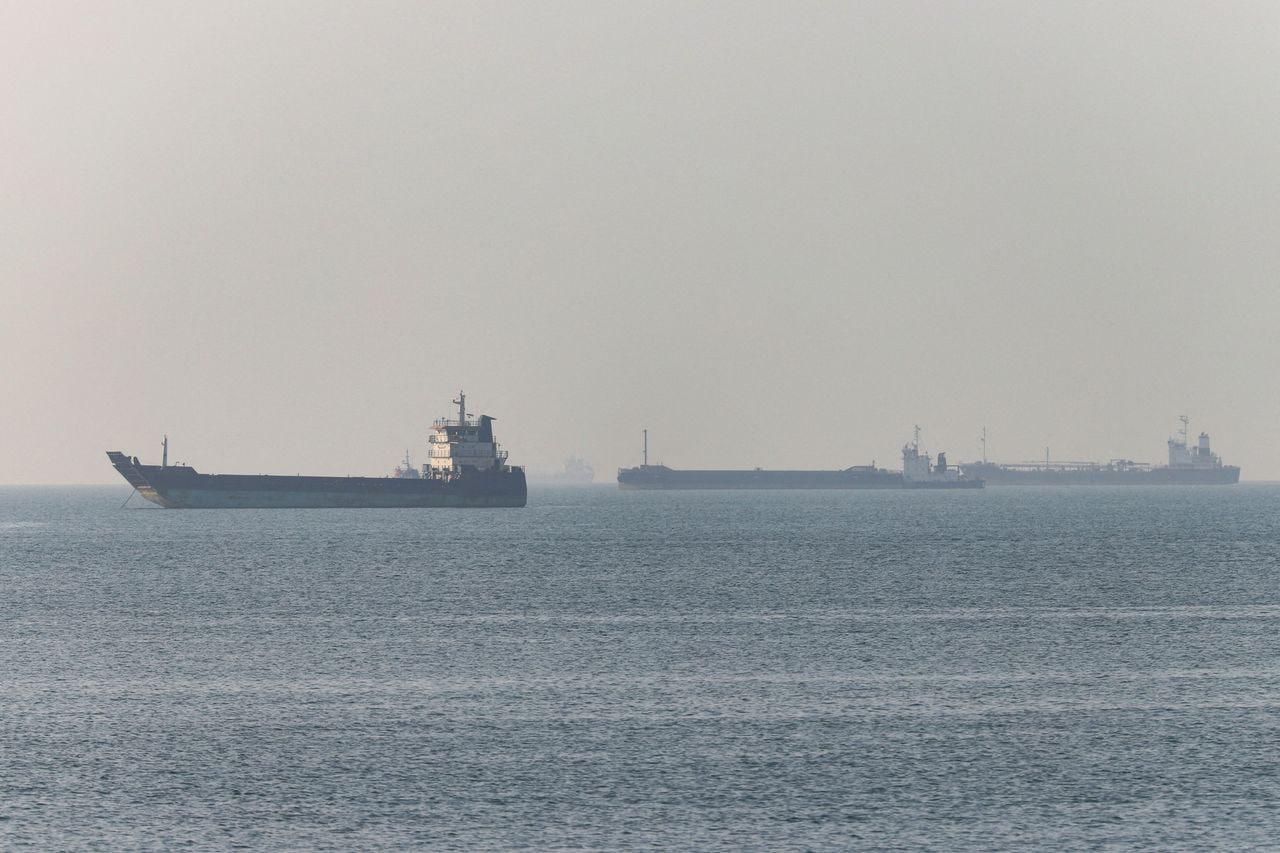
The AP said Iran’s effective closure of the strait has sent fuel prices skyrocketing and rattled the global economy, while it also said hundreds of ships were bottled up in the Persian Gulf.

CNBC reported that oil prices fell Tuesday after Hegseth said the U.S. ceasefire with Iran remained in place, citing Brent crude futures falling more than 2% to $111.45 per barrel by 9:17 a.m. ET and U.S. West Texas Intermediate futures losing more than 3% to trade at $102.65.
CNBC also said oil prices rose more than 4% on Monday as the fragile ceasefire appeared close to unraveling, and it quoted Gen. Dan Caine saying Iran’s attacks fall “below the threshold of restarting major combat operations at this point.”
In parallel, the BBC said shipping company Maersk told the BBC one of its US-flagged commercial vessels exited the strait, and it noted that despite the message from the U.S., “so far thatdoesnât seem to be cutting through.”
NBC News reported that Hegseth said hundreds of ships were lining up to transit the strait and that the military was in active communication with them, while it also said ship owners and operators expressed caution about whether “Project Freedom” could significantly change the calculus.
NPR said the U.S.-led Joint Maritime Information Center advised ships on Monday to cross the strait in Oman's waters and set up an “enhanced security area,” and it said Adm. Brad Cooper said American forces had successfully opened a passage free of Iranian mines.
More on Iran

Keir Starmer Warns Iran It Will Not Tolerate Inciting Antisemitism Or Destabilising Britain
19 sources compared
Trump Urges South Korea To Join Project Freedom After Namu Explosion In Strait Of Hormuz
22 sources compared
Mohammad Bagher Ghalibaf Warns United States as Strait of Hormuz Tensions Escalate
27 sources compared
US Intelligence Says Strikes on Iran Have Not Slowed Nuclear Weapon Timeline
14 sources compared