Full story
Blockade and counterclaims
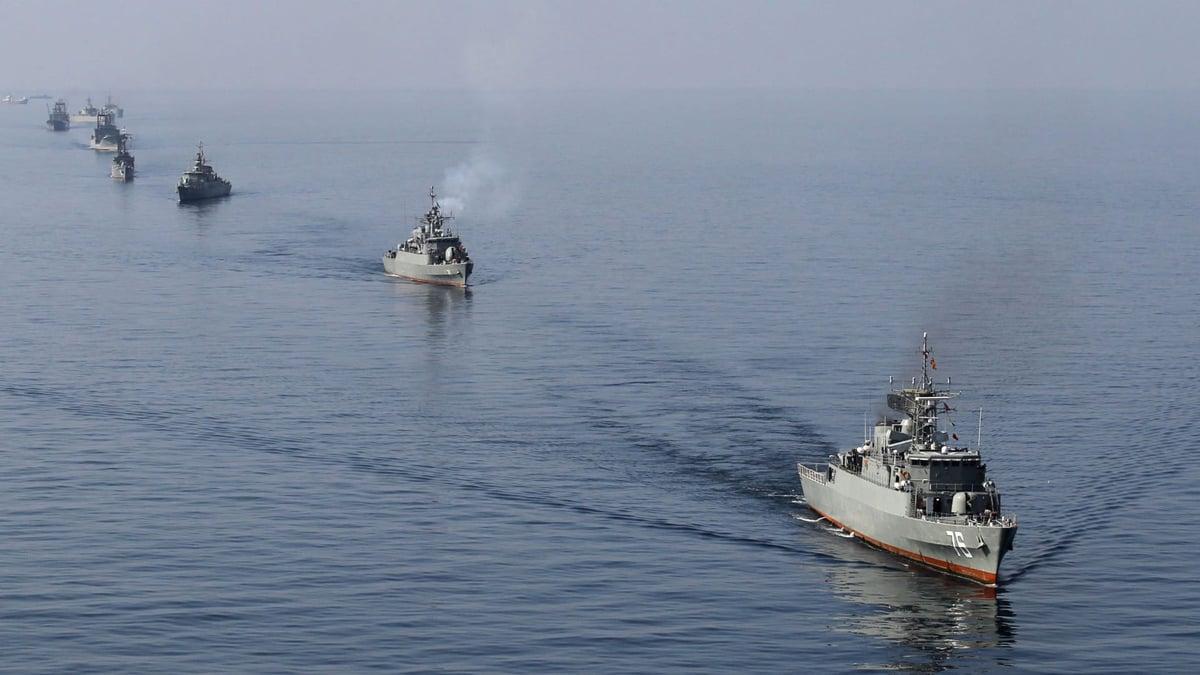
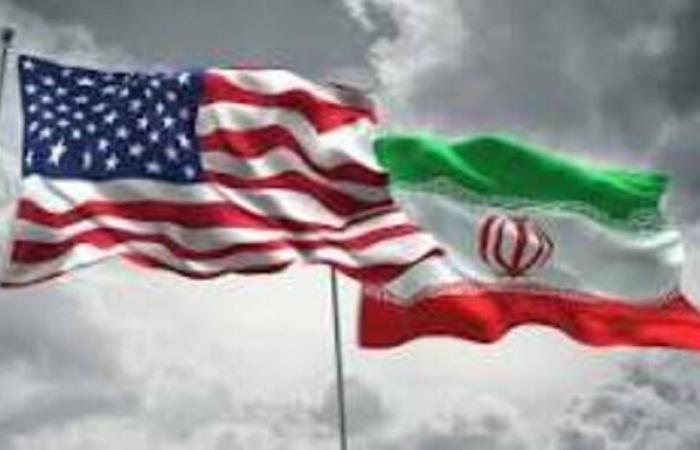
The United States Defence Secretary Pete Hegseth said the United States Navy can keep a naval blockade on Iranian ports “Indefinitely,” telling reporters, “Indefinitely, the United States Navy can maintain a blockade like that because we'll rotate ships in and out, as we have, and we'll continue to,”.
“Indefinitely, the United States Navy can maintain a blockade like that because we'll rotate ships in and out, as we have, and we'll continue to”
Iran rejected the U.S. claims and said no vessel can pass through the Strait of Hormuz without Tehran’s permission, with Khatam al-Anbiya Central Headquarters spokesperson Ebrahim Zolfghari saying, “No commercial vessel or oil tanker can or will have safe passage through the Strait without the permission and supervision of Iran’s powerful Armed Forces,”.
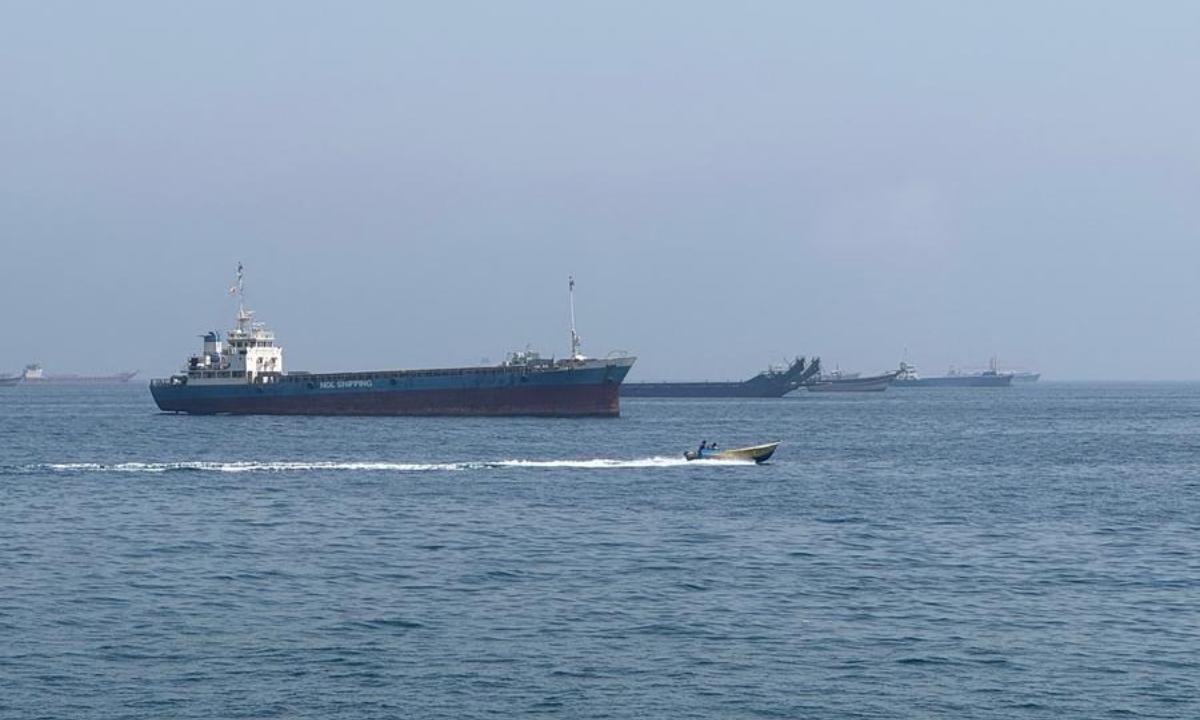
Iran’s Persian Gulf Strait Authority also said, “The Strait of Hormuz remains blocked and will not be reopened until Iran's conditions are accepted,” as the dispute over control continued.
The Express Tribune reported that Iran’s military command dismissed U.S. claims of normal transits as “fabricated lies, falsehood,” citing ISNA News Agency, while Xinhua said Iran’s main military command rejected U.S. claims as “false and nothing but lies.”
Voices on escalation
Iran’s Brigadier General Rasoul Sanaei-Rad said Iran will act “more aggressively” in a possible future war, telling Al Jazeera, “We stood firm in the recent war and, God willing, we will stand firmer and more aggressively in a possible future war,”.
Iran’s Foreign Minister Abbas Araghchi warned the United States against “miscalculation” about the Strait of Hormuz, writing, “The United States has long miscalculated due to intelligence failures. Case in point: The war on Iran. Now, an even bigger miscalculation on the Strait of Hormuz,”.
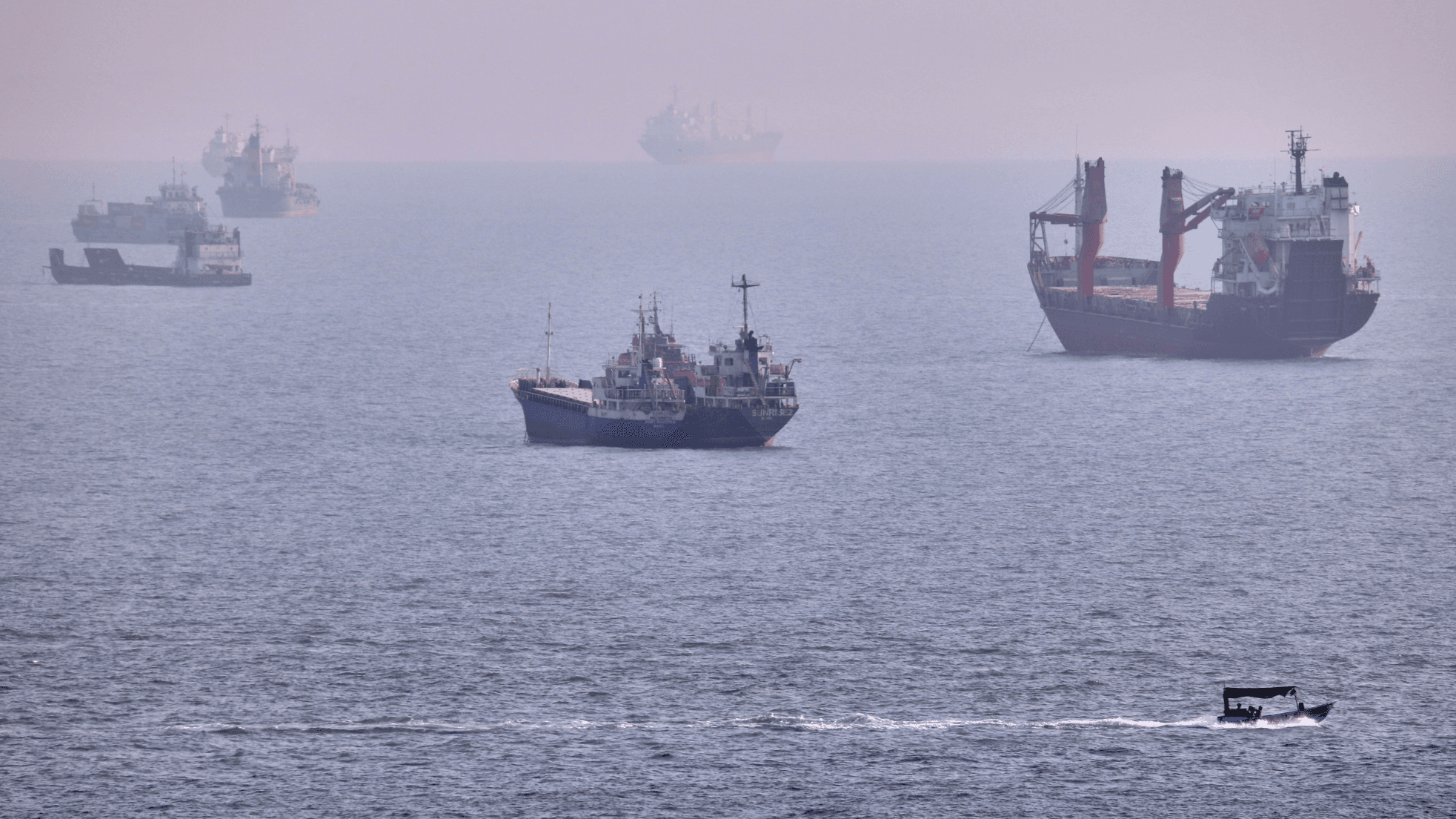
In response to the same dispute, the newly appointed commander of Iran’s Basij force Hossein Taib said, “Today you see that the Strait of Hormuz is under the governance and control of the Islamic Republic,” while confirming Iran is operating in conditions that are “completely safe.”
The Express Tribune also reported that Iran’s Basij paramilitary unit head Hossein Taeb said the Strait of Hormuz is “under Iran’s control and management,” according to the semi-official Fars news agency, as the two sides traded claims of control.
Shipping impact and what’s at risk
As the U.S. and Iran exchanged claims, maritime traffic through the Strait of Hormuz was slightly below the monthly average toward the end of the week, with Kappler data for August from the start of the month until now showing 12 ships as the daily average.
“Cargo vessel traffic through the strait rose slightly yesterday, Thursday, but remained below the daily average for the month, which is 12 ships”
The Al Bayan report said nine ships passed through the strait yesterday, Thursday, up from five ships the day before, including five ships entering the Gulf and four exiting to the Gulf of Oman, most via the Iranian shipping route.
The Express Tribune also linked the dispute to commercial costs, saying German container shipping company Hapag-Lloyd incurred around $600 million in additional costs in the second quarter due to the conflict in the Middle East, while group profit fell to $83 million in the April-June period from $306 million a year earlier.
Euronews said Iran demands that ships obtain permission and pay transit fees to pass through the maritime route, and it quoted Iran’s armed forces spokesman Ebrahim Zolfaghari calling Trump’s control claims “lies,” adding that no commercial or oil tanker has had or will have the possibility to pass safely without permission and supervision.