Other · 12 August, 2026 · 3 min read
Nawaf Salam Says Israel Strikes Violate International Law as Britain, Italy, Switzerland, Indonesia Named
Lebanon's Nawaf Salam says Israeli strikes in south Lebanon violate international law and destroy homes. Britain, Italy, Switzerland, and Indonesia shortlisted to verify Hezbollah disarmament, deploying foreign forces in Lebanon.
Whether there is an agreement on foreign-troop oversight mechanism.
7 of 8 outlets skipped it: US/Israel deny a deal on forming the oversight body for pilot zones.
11outlets compared
Same story, two versions
tap a side to read it in full
Reuters
“agreed to nominate Britain, Italy, Switzerland, and Indonesia as potential contributors”Read the original ↗
Naharnet stresses US/Israeli denials; Reuters stresses a Rome-era shortlist deal
Hezbollah disarmament mechanism
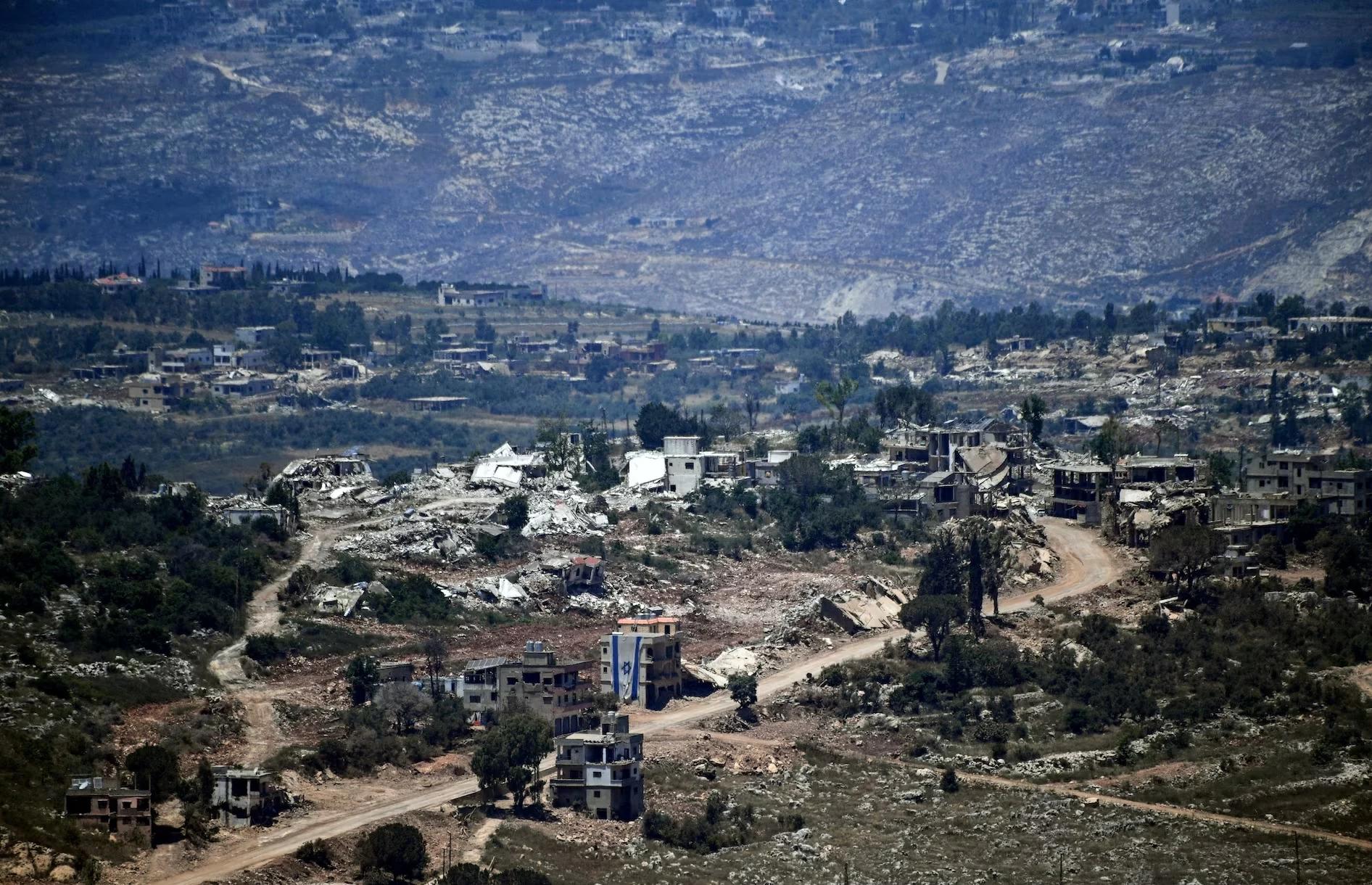
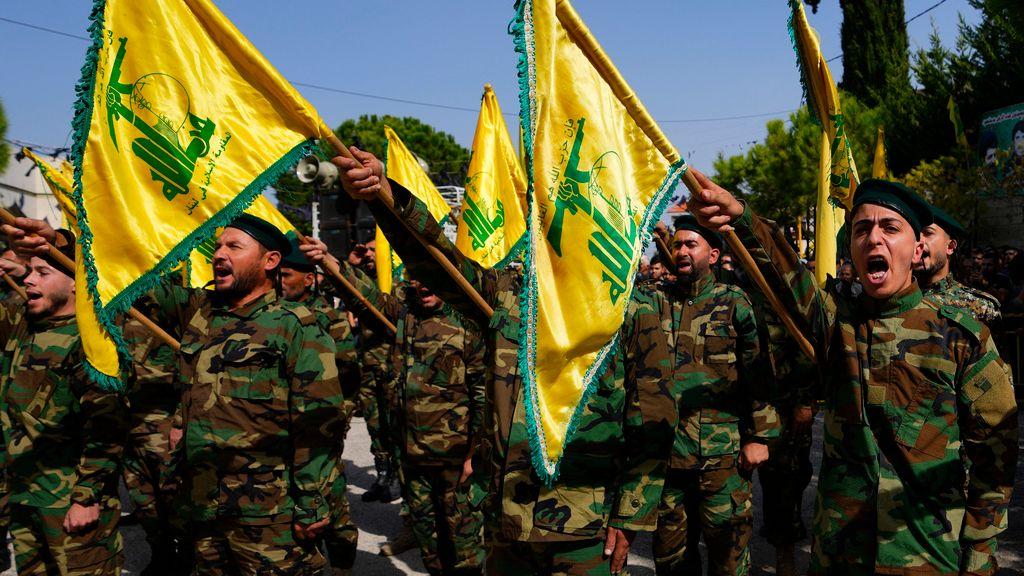
Lebanon’s Prime Minister Nawaf Salam said Israel’s “attacks, incursions, demolitions and the systematic destruction of homes” represent a “serious violation of the principles and rules of international law and international humanitarian law,” as Israeli strikes continued across southern Lebanon amid a ceasefire described as fragile. In parallel, Lebanon and Israel agreed to nominate Britain, Italy, Switzerland, and Indonesia as potential contributors to a proposed mechanism that could deploy foreign forces in Lebanon to verify Hezbollah’s disarmament, Reuters reported from Rome talks held with American mediation. RThe Reuters report said three sources described the countries as able to help define the scope of the mechanism, provide personnel to supervise implementation, or contribute monitoring forces or participate in inspection work tied to disarmament verification.R
A Lebanese official told Reuters that Israel and Lebanon had agreed on a list of candidate countries but declined to name them, saying the United States would decide who would participate. The Reuters report also said discussions on the candidate countries were still in their early stages, with a source adding they were “cautiously optimistic” about continuing these efforts.R

House-to-house inspections dispute
Reuters said Israel wants house-to-house inspections to be included, with the Israeli army controlling what it deems a security zone extending about 10 kilometers into southern Lebanon and saying it will not withdraw unilaterally until Hezbollah is disarmed. RThe Reuters report said two officials described a proposed mechanism that would inspect villages in southern Lebanon and verify they are free of weapons, while the Lebanese army resisted pressure last year to inspect private property. RSecurity officials told Reuters that the army would need warrants to search each home, and a foreign security official said there is a need to address private property, including how it is inspected and who would do it.R
In a separate denial of a Reuters report, Naharnet said Israeli news portal Walla quoted Israeli and U.S. officials saying that “there is no agreement between Lebanon and Israel on forming a body to oversee the Lebanese Army's operations” in designated pilot zones. Naharnet also said Walla quoted officials as saying “Israeli and American officials denied a Reuters report” about an agreement on a future international mechanism to oversee Hezbollah’s disarmament.
Withdrawal timeline and stakes
Al Jazeera said Israeli forces have continued their attacks and occupy dozens of villages across southern Lebanon with no timeline set for a full withdrawal, even after a US-mediated ceasefire began on April 17. Al Jazeera reported that Israeli strikes and ground operations since March have killed 4,333 people and displaced more than a million—roughly a fifth of the country’s population—figures it said continued climbing through the summer even after the ceasefire nominally took effect. In Washington, Al Jazeera said two US senators proposed a $1.2bn security assistance package for Lebanon over five years, tying part of the funding to progress on the state’s monopoly over weapons and Hezbollah’s disarmament.
The Jerusalem Post live updates also framed the disarmament process as unresolved, saying there is still no agreement between Lebanon and Israel regarding the countries that could deploy troops in Lebanon after the conclusion of UNIFIL's operations. Against that backdrop, Al Jazeera quoted Prime Minister Nawaf Salam rejecting Israel’s claims that villages it had destroyed were military sites, saying the claim “does not stand up to any logic and cannot be used as an excuse for destroying them, displacing their inhabitants and preventing them from returning”.