Lebanonupdated 13m ago2 min read
MapLebanon Begins New IMF Talks in Beirut With Yassine Jaber Leading Delegation
7 West Asian1 Western AlternativeMap: © OpenStreetMap contributors, ODbL · Cropped for layout
This article is an automated aggregation of coverage from news outlets. Our editorials offer in-depth analysis curated by the NewsCord team.
Lebanon begins new IMF talks led by Finance Minister Yassine Jaber Adoption of the Financial Gap Law is essential to a deal
Save coverage image
IMF talks resume in Beirut
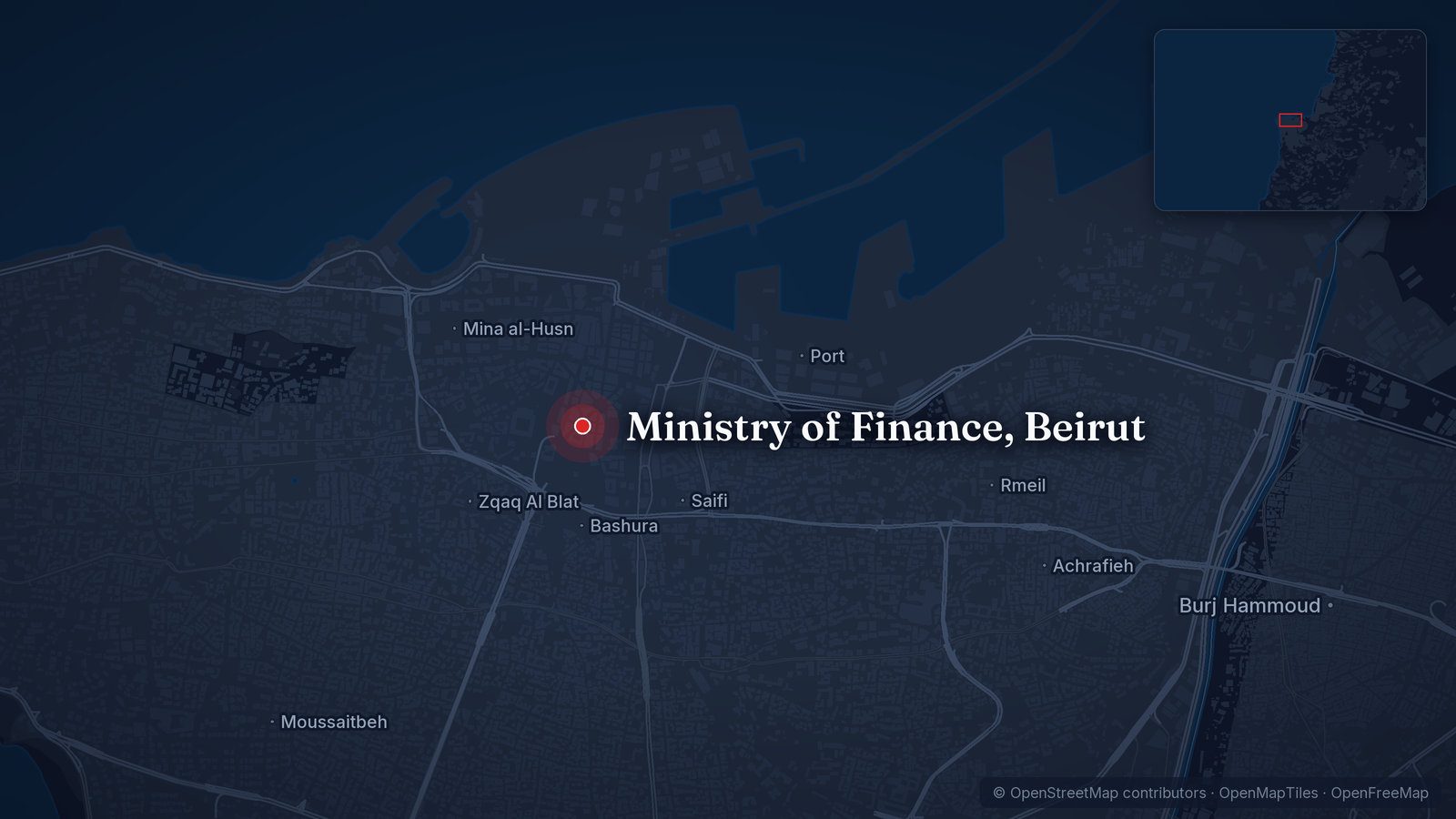
Lebanon began a new round of negotiations with the International Monetary Fund in Beirut on Tuesday, with Finance Minister Yassine Jaber leading the Lebanese delegation at the Ministry of Finance. Jaber said the government of Prime Minister Nawaf Salam had not caused the banking crisis but was working to resolve it, and he warned that the failure to pass the financial gap law remained the principal obstacle to securing an IMF programme. IMF spokesperson Julie Kozack said progress toward an agreement depended on sustained reforms, including legislation addressing the restructuring of troubled banks and laws to tackle the financial gap in line with international standards.
The IMF previously welcomed a banking restructuring law passed by Parliament, but the legislation was referred to the Constitutional Council after a challenge by President Joseph Aoun, and the council accepted the challenge concerning several provisions. Jaber told reporters that the process begins with passing the financial gap law, followed by banking sector reform and the implementation of an agreed programme to repay depositors.
Loss law is the sticking point
Jaber said uninterrupted meetings with the IMF delegation would continue until Friday, and he argued that the main obstacle to an assistance program was the adoption of a draft law on financial losses. The draft law aims to distribute losses from Lebanon's financial collapse among the state, the Central Bank of Lebanon, commercial banks and depositors, and the government submitted the draft to Parliament in 2025 without lawmakers voting on it. Jaber insisted, “We will not allow any room for speculation,” while he said the state must bear what its capacities allow and Banque du Liban bears responsibility for managing the file.
The IMF delegation, led by Ernesto Ramirez-Rigo, arrived in Lebanon on Monday and held talks with the Lebanese delegation led by Jaber, with participation from Economy Minister Amr Al-Bissat. Jaber said Lebanon cannot continue with an economy based solely on cash and without an efficient banking sector, and he argued that the draft law would mark the beginning of resolving the banking crisis.
Central bank warns against leaks
Banque du Liban announced full media silence during the upcoming consultations with representatives of the IMF and the Lebanese government regarding the Fund's notes on the financial-ordering law and the recovery of deposits. The central bank said it would not issue any statements, briefings, or press disclosures during the consultation period, and it warned against circulating unverified information or leaks attributed to it. BDL said Finance Minister Yassine Jaber would be responsible for announcing what he deems appropriate at the conclusion of the consultations, in line with established procedures.
The Bank of Lebanon also urged media outlets to adhere to professional verification standards and not circulate unverified information about the consultations related to the financial-ordering law and the recovery of deposits. As the talks run until Friday, the negotiations place the “Financial Gap Law” and reform of the banking sector on the table, with the fate of deposits and the mechanism for distributing financial losses described as core issues.