Lebanonupdated 56m ago2 min read
MapJoseph Aoun Says Positive Neutrality Keeps Lebanon Out of Regional Conflicts
“fears of Hezbollah's involvement in a new war between the United States and Iran”
“condemning Hezbollah‘s involvement in supporting Yemen’s Houthi militia”
Map: © OpenStreetMap contributors, ODbL · Cropped for layout
This article is an automated aggregation of coverage from news outlets. Our editorials offer in-depth analysis curated by the NewsCord team.
Aoun says positive neutrality keeps Lebanon out of regional conflicts and rejects sharing sovereignty. Lebanon must maintain sovereignty with state monopoly on arms, avoiding external empowerment.
Save coverage image
Aoun backs neutrality
President Joseph Aoun said “positive neutrality is essential to keep Lebanon out of regional conflicts,” warning that “the country can no longer bear new rivalries between blocs, nor further desires and ambitions for domination.” Aoun said, “We will not accept sharing our sovereignty with anyone, to avoid once again paying the price for the mistakes of the past,” and he called on those who “lean on foreigners against their fellow citizens” to rely on “their compatriots in the face of outsiders.”
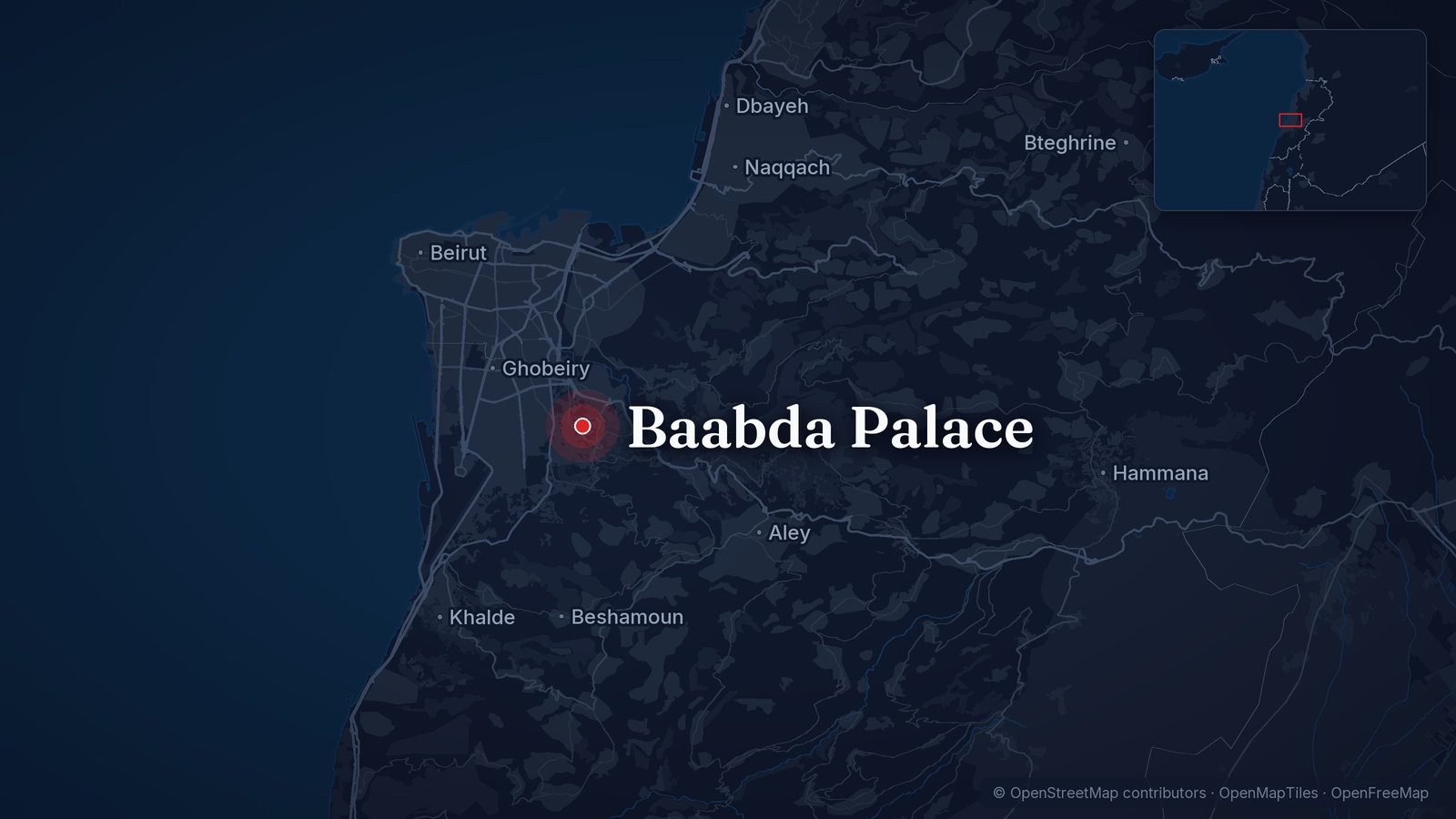
Aoun spoke at Baabda Palace as former minister and MP Michel Pharaon presented him with the second volume of the book “Lebanon’s Official Neutrality and the Neutrality of the Lebanese within the Framework of the Arab League, in Diplomacy, Culture, Memory and Education.” Pharaon said Aoun’s emphasis on “positive neutrality” in his 2025 inaugural address was a “decisive step,” adding that the commitment from the head of state “gives it national significance and unifying power.”
State monopoly on arms
Lebanon’s Prime Minister Nawaf Salam warned against “dragging Lebanon into another war to serve foreign interests,” after meeting President Joseph Aoun to discuss regional developments. Salam said, “We will not accept having a fate imposed on the Lebanese people that they did not choose, or allowing their country to become once again an arena for others’ conflicts,” and he pledged to safeguard Lebanon’s sovereignty and prevent another war.
The “Friends of Lebanon” statement circulated in Beirut affirmed support for the Government of Lebanon in ensuring the state monopoly of arms and said “the state alone should make decisions regarding war and peace.” The statement also urged “a swift, independent judicial process, free from political interference, that ensures full accountability” in the Dahr al-Baydar case and called for a “clear public commitment” from members of parliament and all parties supporting the President’s and the Prime Minister’s declarations.
Hezbollah and the war question
Middle East Online framed the anniversary of the 1969 Cairo Agreement as a reminder of Raymond Eddé, the National Bloc leader who opposed an arrangement he believed would compromise Lebanon’s sovereignty. The article said the agreement was signed in Cairo on November 3, 1969, by representatives of the Lebanese authorities and the Palestine Liberation Organisation, and it described the agreement as seeking to regulate the Palestinian armed presence and its activities in Lebanon.
The article argued that Lebanon’s question has acquired “a new dimension with Hezbollah,” because the issue is “the existence of a military and security authority outside the institutions of the state.” It added that in March 2026 the Council of Ministers declared Hezbollah’s military and security activities outside the framework of legitimate institutions unlawful and called for its weapons to be handed over to the state.