Lebanonupdated 59m ago2 min read
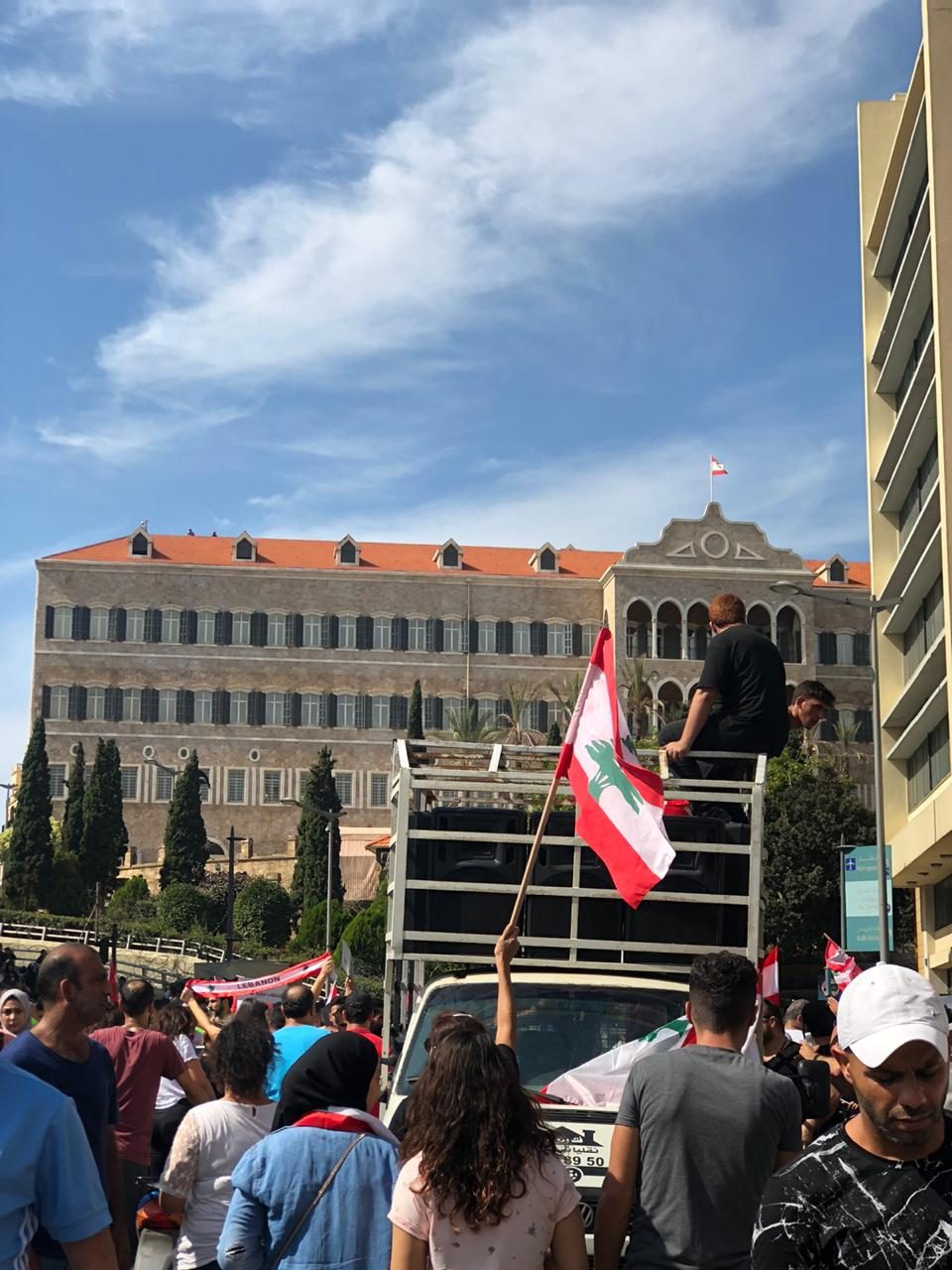
Archive photo · 18 October 2019Nawaf Salam Launches Lebanon 2026–2030 National Strategy for Disability Rights and Inclusion
8 West Asian2 Other1 Western MainstreamPhoto: Shahen books, CC BY-SA 4.0 · Cropped for layout
This article is an automated aggregation of coverage from news outlets. Our editorials offer in-depth analysis curated by the NewsCord team.
Lebanon launches 2026–2030 Strategy for Disability Rights at the Grand Serail with PM Nawaf Salam. State-wide commitment, not a single ministry, involving Social Affairs and UNFPA/ESCWA.
Save coverage image
Strategy launched in Beirut
Lebanon launched the National Strategy on the Rights and Inclusion of Persons with Disabilities in Lebanon 2026–2030 at the Grand Serail in Beirut on November 3, with Prime Minister Nawaf Salam presiding over the official ceremony. The Ministry of Social Affairs carried the program with the United Nations Population Fund and the ESCWA, and the Council of Ministers had approved the strategy on February 26. Prime Minister Nawaf Salam framed the plan as shared responsibility across the state, saying, "Each ministry and each public establishment must act within their remit."
Minister of Social Affairs Hanine Sayed presented the strategy’s success criterion as the capacity to learn, to work and to participate, and the program set a five year scope from 2026 to 2030. The strategy’s ten axes included laws, disability assessment, education, health and social, and legal protection, with employment, accessibility, social behaviors, political participation and cultural, tourist and sporting life completing the scope.
Implementation and measurement
The strategy’s implementation would have to be measured in schools, services, budgets and procedures beyond the launching ceremony, and it required comparable data between the start and the end of the period. The plan required each measure to identify its owner, its planned date and its progress status, because a general accessibility announcement was not enough to know which equipment would be adapted, in what order and according to which standards. The strategy also distinguished planned appropriations, amounts committed and payments made, and it warned that no total funding amount could be inferred from statements made during the ceremony.
Prime Minister Nawaf Salam linked the strategy to reform priorities, saying, "Closing the gap between rights on paper and those in practice is an integral part of our government reform agenda." The strategy set emergency preparedness as part of the national framework, and it said drills and checks of reception centers would allow observing whether needs were integrated before a crisis.
Critics question transformation
Disability associations opposed the national strategy, arguing that the transformation was not reflected, and they pointed to everyday barriers that still limit access to public life. Al-Madina quoted Anthony Nahoul, who said, "The place was not equipped to welcome people with disabilities," after he was told, "We did not expect people like you to stay up late…" Al-Madina also reported that people with disabilities constitute between 10 and 15 percent of Lebanon’s population, while the number of officially registered disability cards does not exceed 120,000.
The same report said unemployment among people with disabilities reaches about 80%, and it described a gap between the size of the concerned group and the rights and services they receive. The strategy’s stated response emphasized that people with disabilities and their organizations would participate in preparation, execution and decisions, and it set monitoring, accountability and measurement of progress up to 2030.