Full story
Cost rises, strikes continue
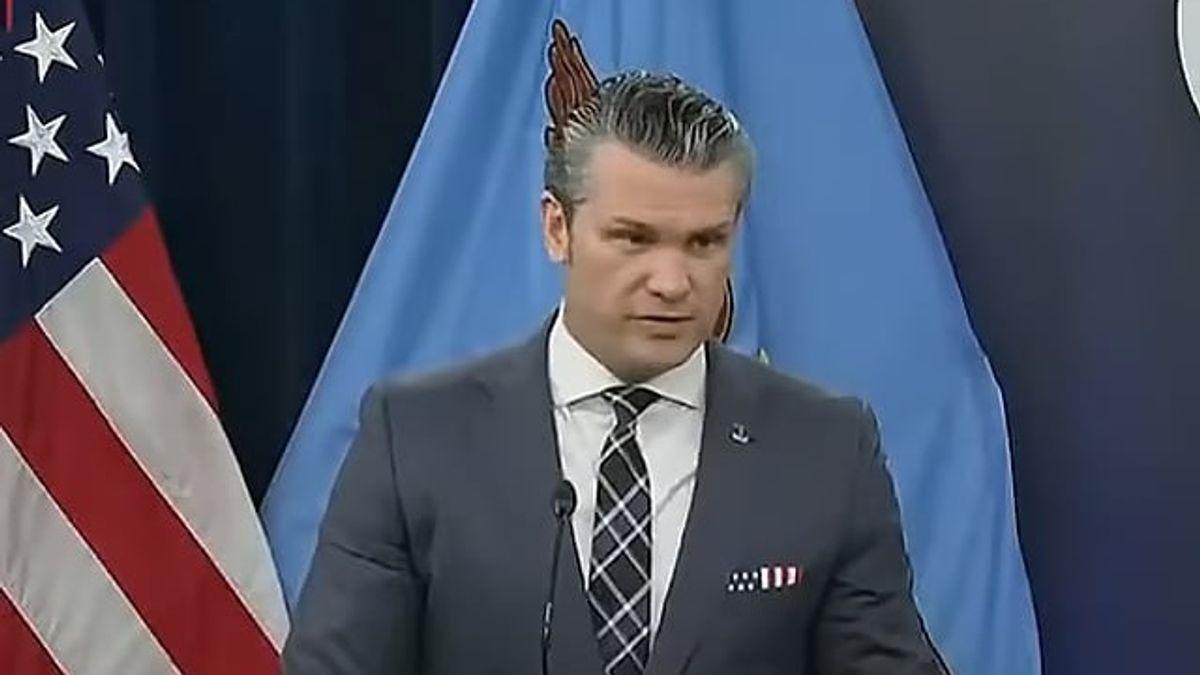
Defense Secretary Pete Hegseth told the Senate Appropriations Committee that the war with Iran has cost the US some $37.5bn so far, an increase of nearly $8bn since the last estimate in May.
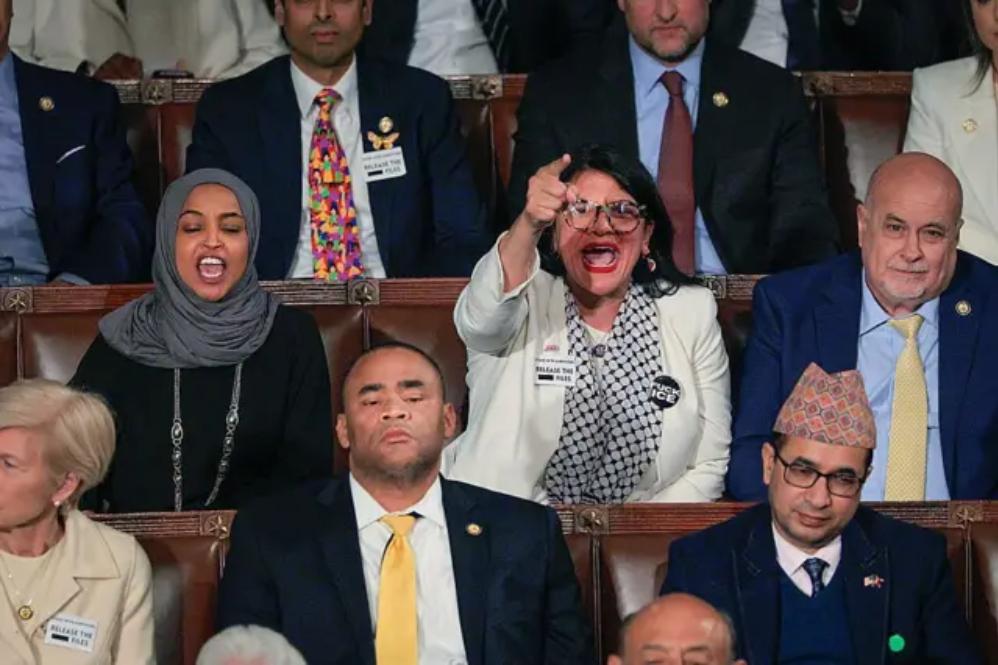
Hegseth said lawmakers must approve another $87bn in congressional funding for the Pentagon, with $67bn of that destined for operations in the Middle East, as the hearing was disrupted several times by anti-war protesters.

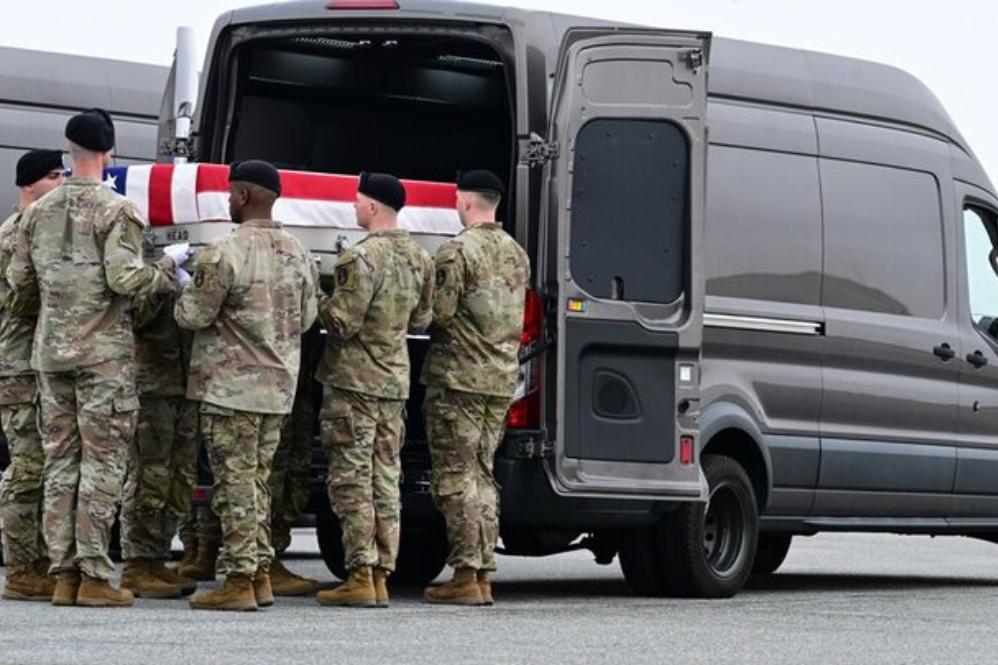
The BBC reported that Hegseth’s first sustained public questioning came after three American soldiers were confirmed killed in the region, and the US carried out an 11th consecutive day of strikes on Tuesday.
NBC News said the Defense Department is asking Congress for $67 billion in supplemental funding and that the war is intensifying again after an April ceasefire deal fell apart.
The Guardian added that at least two US soldiers were killed in an Iranian attack on Friday and another died in Iraq destroying an Iranian drone, pushing the American death toll since February to 17.
Lawmakers clash over strategy
At the hearing, Senate Democrats clashed with Hegseth over the lack of progress, with NBC News quoting Sen. Gary Peters saying, "You’re asking the American people for a blank check".
NBC News also reported Hegseth pushed back, saying, "Your characterization of this incredible effort as a failure is reckless".
The Guardian reported that Patty Murray demanded Hegseth explain what the war had actually achieved, accusing the administration of shifting its rationale by the week and warning the conflict risked becoming "another forever war".
NewsNation said Hegseth was joined by Gen. Dan Caine and Agriculture Secretary Brooke Rollins, and that a shouting match broke out between Hegseth and Sen. Gary Peters, D-Mich., after Peters noted the failures of the President and military leadership not having a winning strategy.
The Hill reported that Hegseth repeatedly pinned blame on the Biden administration for underinvesting in the military and prioritizing weapons for Ukraine, while admitting the military was facing immediate funding shortfalls as the price tag on the Iran war rises.
Funding fight and readiness
Hegseth warned that without the supplemental request the Pentagon would face "critical shortfalls" that threaten its ability to "pay our service members" and sustain vital operations without disruption.
The Hill reported that the Defense secretary said the first casualty of dwindling Pentagon funding would be training, adding that training right now and training in the future "would have to be curtailed" if the Pentagon does not get its budget needs met urgently.
The Guardian said Hegseth described the request as a break from what he described as years of slow bureaucracy, arguing the department was "building a force so capable" that it would be absurd for anyone to challenge it.
NPR reported that House Republicans passed the National Defense Authorization Act by a vote of 216 to 212, and that it now heads to the Senate where it faces an uncertain path forward.
NPR also said the war has already cost taxpayers $37.5 billion, and that in recent days at least four U.S. service members have been killed, bringing the nation’s death toll from the conflict to 18, with nearly 500 service members injured.