Full story
Trump threatens Hormuz strikes
The U.S. military announced Wednesday that it was conducting a 12th night of strikes against Iran as both sides increasingly targeted civilian infrastructure, with U.S. Central Command saying the attacks were designed to “further degrade Iran’s ability to threaten civilian mariners and commercial vessels transiting regional waters.”
“The United States has launched a 12th continuous night of strikes against targets in Iran, as Tehran threatened to launch more of its own attacks across the Gulf region, warning that “no infrastructure will be safe” unless its own security is guaranteed”
U.S. President Donald Trump warned earlier Wednesday that the United States would destroy one bridge or power plant each time Iran shoots at a ship in the strait, writing: “From this point forward, any time the Islamic Republic of Iran shoots at a ship in the Strait of Hormuz, whether it be by Missile, Rocket, Drone, or any other device or weapon, the United States will bomb and destroy ONE BRIDGE OR POWER PLANT.”

Iran’s foreign minister Seyed Abbas Araghchi said his country would adopt an “eye for an eye” defense doctrine, posting: “Any aggression against Iran, including our infrastructure, will compel a powerful and decisive response.”
The escalation unfolded as the strait remained a central focus of the dispute over management of a waterway that AP said remains largely closed, while Iranian state media reported U.S. missiles struck locations late Wednesday near the cities of Ahvaz, Ramshir and Andimeshk in western Iran.
AP also said two people were killed in a U.S. missile strike in the town of Shalamcheh on the Iraqi boarder, according to Iranian state media, as Kuwait’s military officials said their air defenses were “confronting attacks by hostile drones” following “the sinful Iranian aggression.”
Retaliation threats and deaths
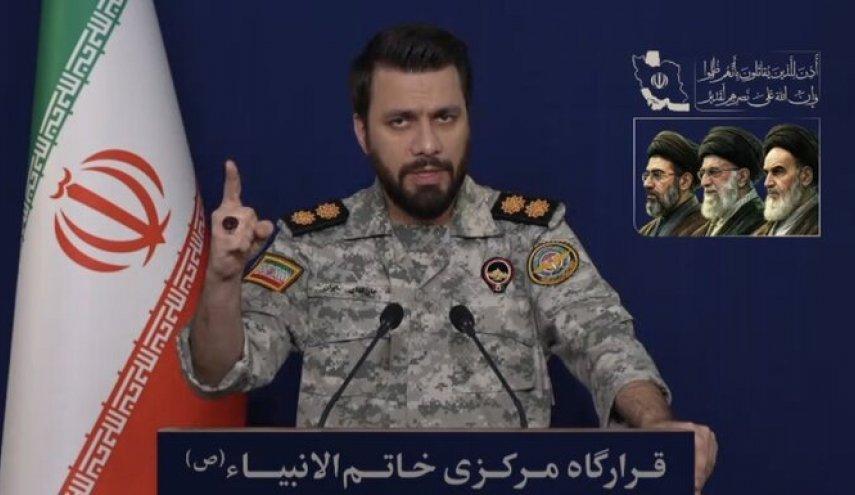
Iran’s response to the U.S. strikes and threats included warnings that it would target infrastructure and energy assets across the region, with an unnamed Iranian military source telling state-run Tasnim News Agency: “If the Americans target a bridge or a power plant in Iran, Iran will, in turn, strike infrastructure and bridges in the region, including energy facilities where the United States has interests.”
In parallel, Al Jazeera reported that Iran’s chief negotiator Mohammad Bagher Ghalibaf delivered a message in a post on X after Trump threatened to attack more Iranian power plants and bridges, saying: “In a region where we do not sell oil, no one will sell oil.”

Al Jazeera also said Iran’s Ministry of Health reported U.S. attacks since late last month had killed 53 people, including three children, and injured 590 others, while Iran responded to the U.S. onslaught with repeated attacks on Bahrain, Kuwait and Jordan including hitting water and power plants in Kuwait.
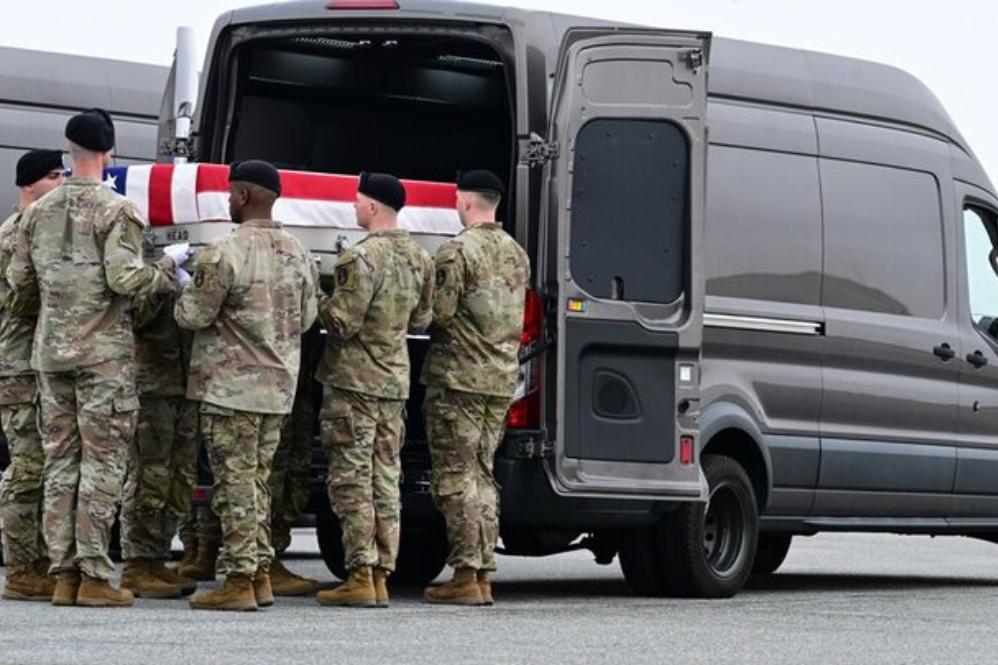
AP said the unpopular war threatens further worldwide economic disruption and is sending fuel prices up ahead of midterm U.S. elections this fall, while also noting that Trump traveled to Dover Air Force Base on Wednesday for the arrival of the remains of four U.S. service members.
DW reported that Iran’s foreign minister Abbas Araghchi issued a short statement in English on Wednesday evening threatening reprisals if the U.S. attacks Iranian infrastructure, writing: “Our defense doctrine is clear: eye for an eye,” and adding that “Those who contribute to such aggression, whatever the kind of support, will also be considered legitimate targets.”
Shipping chokepoints and costs
AP said the closure of the Strait of Hormuz, through which a fifth of the world’s traded oil and gas passed during peacetime, has jolted the world economy, and it added that a new threat by Iran-backed Houthi rebels in Yemen to target Saudi shipping in the Red Sea puts another trade chokepoint at risk.
“Watch CBS News Copyright ©2026 CBS Interactive Inc”
AP also reported that Iran says it has the right to manage traffic and potentially charge fees in the strait, which it said was open to all and toll-free before the war, while stating that Iran has attacked ships using a route through the strait overseen by U.S. forces intended to be outside Tehran’s control.
In a separate account, Al Jazeera said the U.S. would attack one power plant or bridge in Iran every time Iranian forces target a ship in the Strait of Hormuz, and it quoted a warning from Iran’s Foreign Minister Abbas Araghchi that Tehran would retaliate “an eye for an eye” against any future attacks.
The Hill reported that since July 6, Iranian forces have attacked at least a dozen ships in the strait, and it said the start of those strikes spurred the renewal of military hostilities between the U.S. and Iran after the memorandum of understanding agreed to in mid-June.
DW added that Trump attended a “dignified transfer” ceremony at Dover Air Force Base in Delaware on Wednesday for four service members killed in action in the region, and it quoted Trump saying: “All I'm going to say is, we love you. We love your child, and that's what they are to them. They're their children. There's no games, no nothing.”